Search Icon




For the last half century we have slipped the surly bonds of earth with landers, rovers and spacecraft that have allowed us to touch the very edge of the Solar …
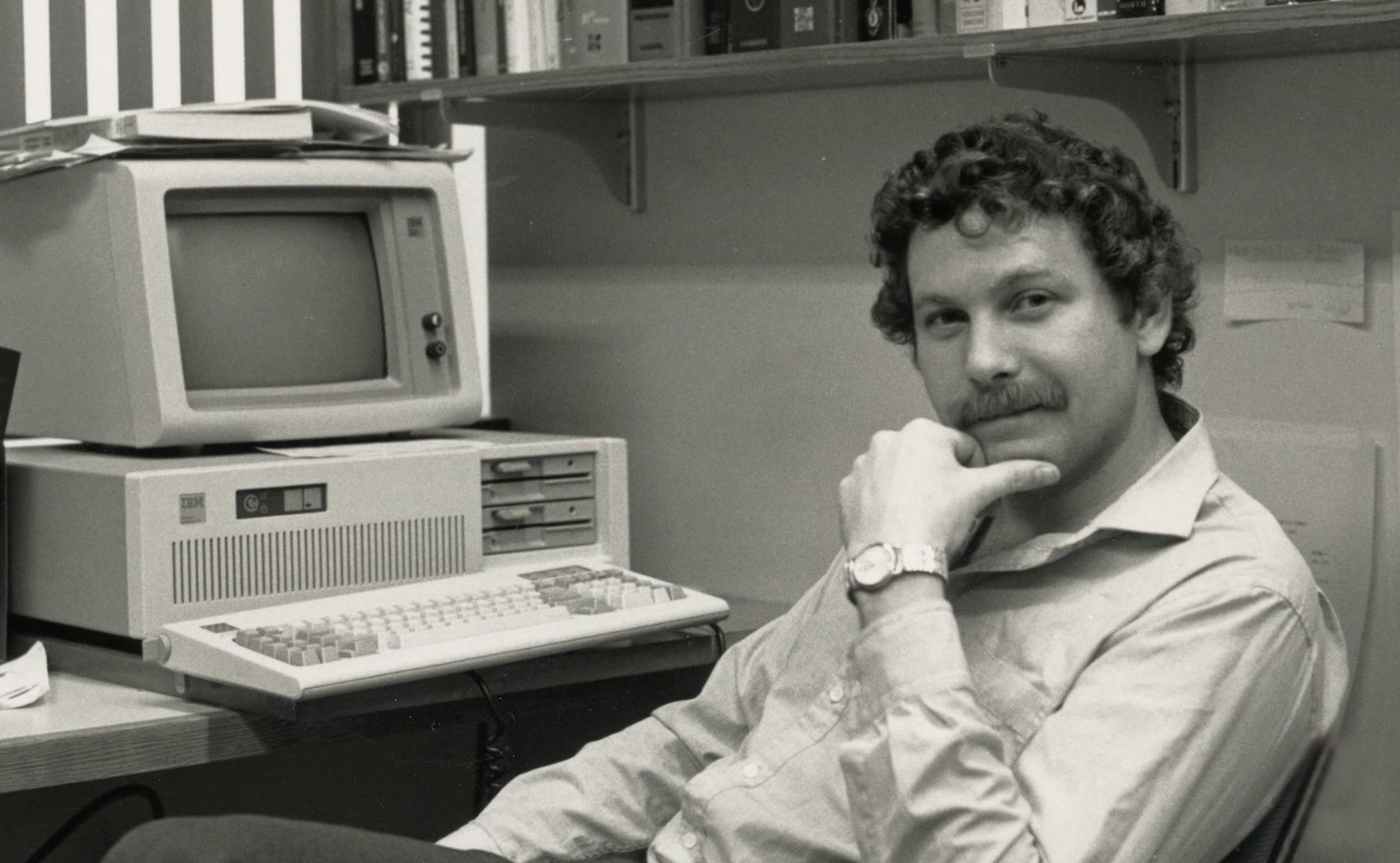
How did Eric Lander go from being an extremely talented and accomplished mathematician to making one of the most important contributions to the field of genetics? We take a look …
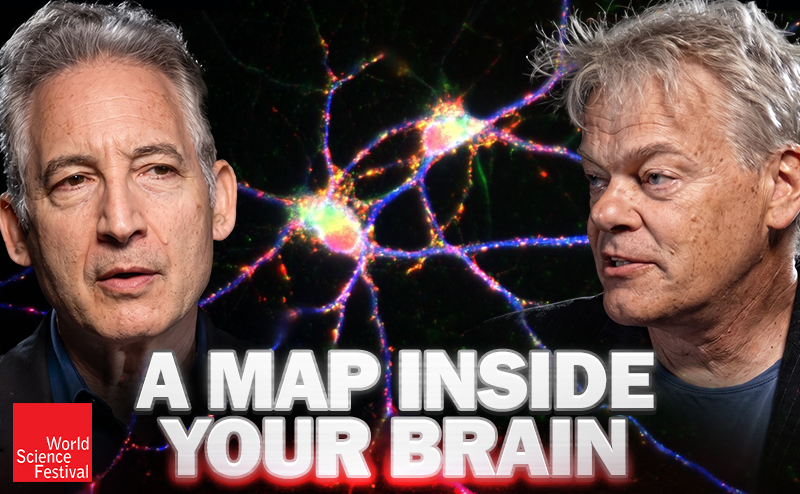
How does your brain know where you are, even in the dark? Brian Greene speaks with Edvard Moser, Nobel laureate and director of the Kavli Institute for Systems Neuroscience, about …

MIT physicist Daniel Harlow joins Brian Greene to explore black holes, holography, and the surprising connection between spacetime and algorithms that perform quantum error correction. This program is part of …

The World Science Festival’s Pioneers in Science program gives high school students from around the globe rare and intimate access to some of the world’s most renowned scientists in a …
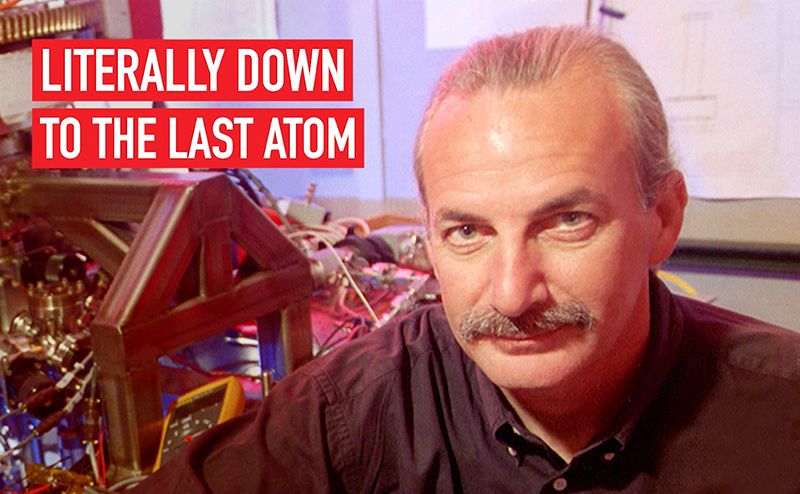
Do your friends call you a control freak? Well then, you’re in good company. Learn more about the #scientist known as the “Maestro of the Miniscule” who used atom manipulation …