Search Icon




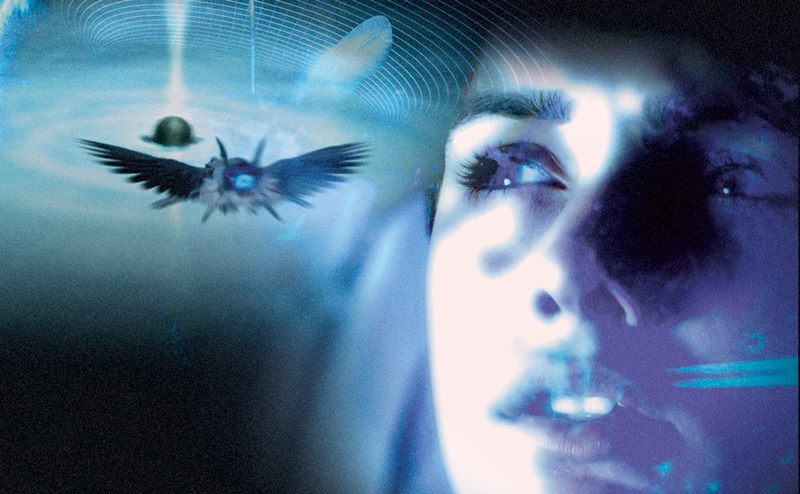
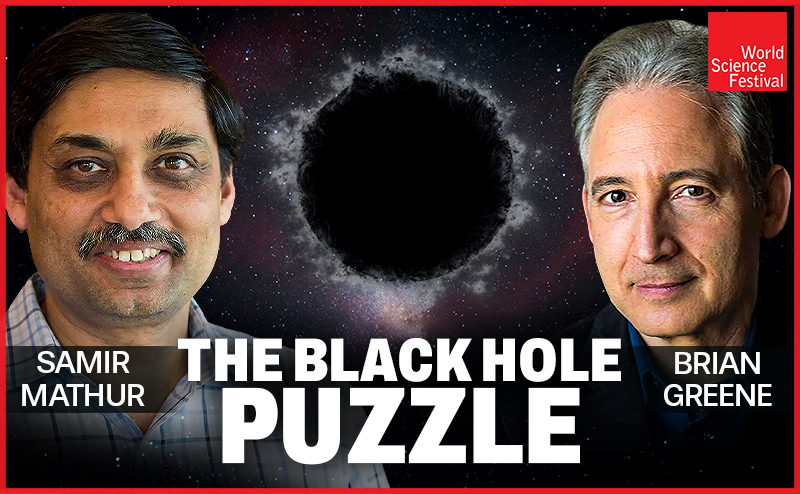
Icarus at the Edge of Time is a mesmerizing tale set in outer space about a boy who challenges the awesome might of a black hole. Based on the children’s book by physicist Brian Greene, this futuristic re-imagining of the classic myth takes audiences of all ages on a whirlwind voyage through space and time to the very edge of understanding.
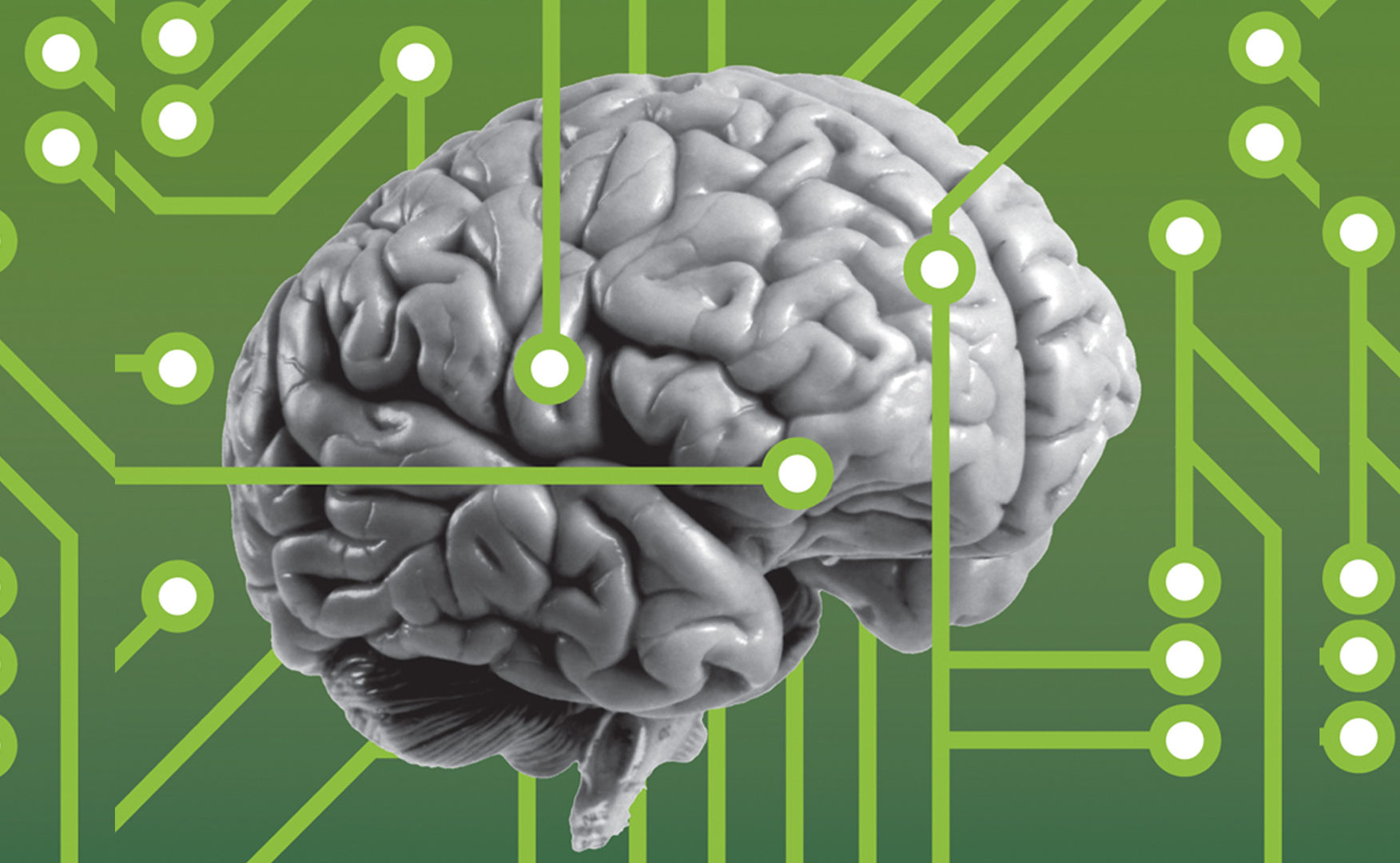
Creative thought is surely among our most precious and mysterious capabilities. But can powerful computers rival the human brain? As thinking, remembering and innovating become increasingly interwoven with technological advances, what are we capable of? What do we lose? Join Luciano Floridi, John Donoghue, Gary Small and Rosalind Picard for a thought-provoking program about thinking.

#YourDailyEquation with Brian Greene offers brief and breezy discussions of the most pivotal equations of the ages. Even if your math is a bit rusty, these accessible and exciting stories …

Join us for #YourDailyEquation with Brian Greene. Every Mon – Fri at 3pm EDT, Brian Greene will offer brief and breezy discussions of pivotal equations. Even if your math is a …
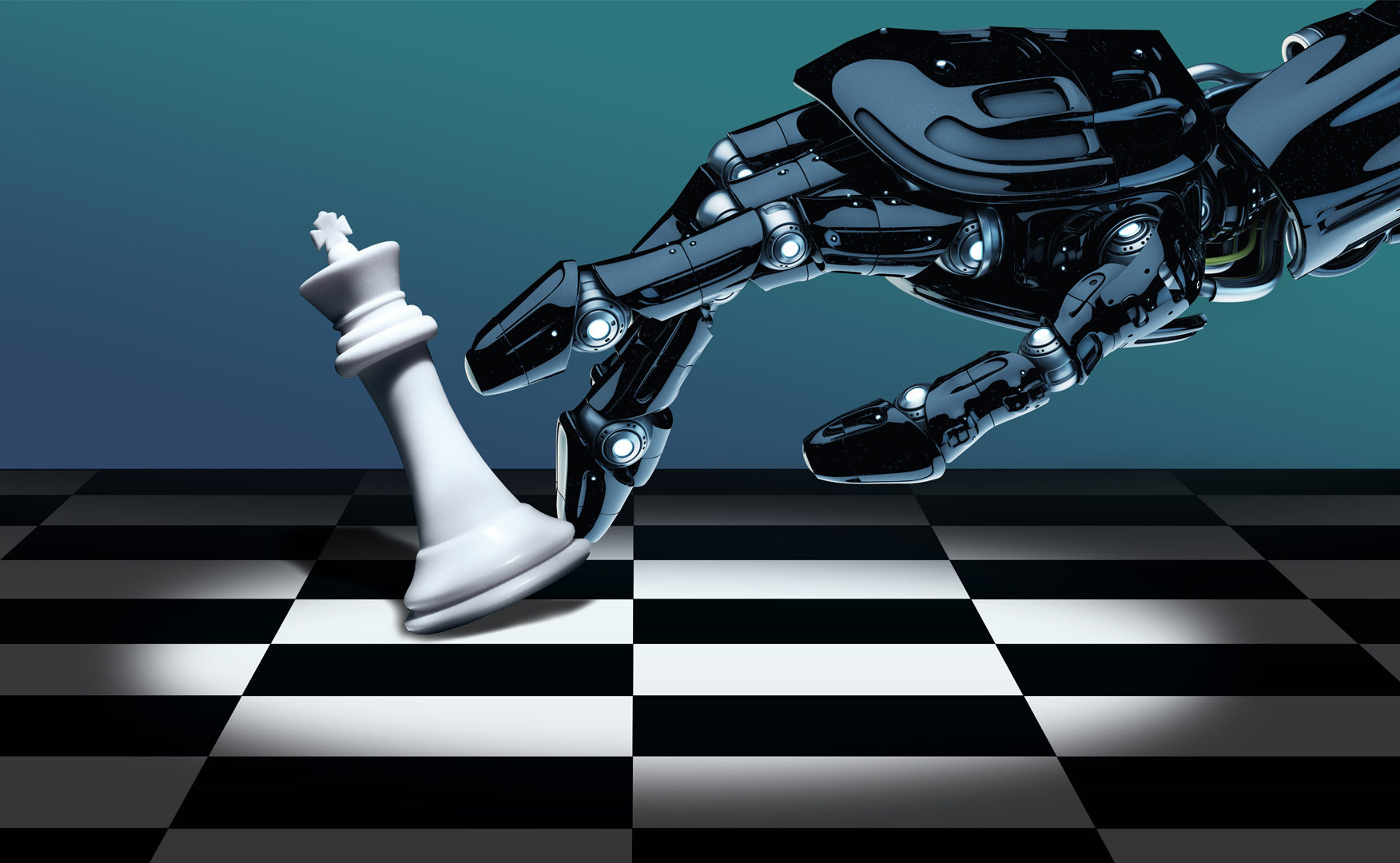
A self-driving car has a split second to decide whether to turn into oncoming traffic or hit a child who has lost control of her bicycle. An autonomous drone needs to decide whether to risk the lives of busload of civilians or lose a long-sought terrorist. How does a machine make an ethical decision?

Using ultrasounds, inspecting tentacles, and making protective vests for penguins is all in a day’s work for aquatic biologist Pamela Schaller Hughes. Learn how she designs aquarium exhibits for endangered …