Search Icon



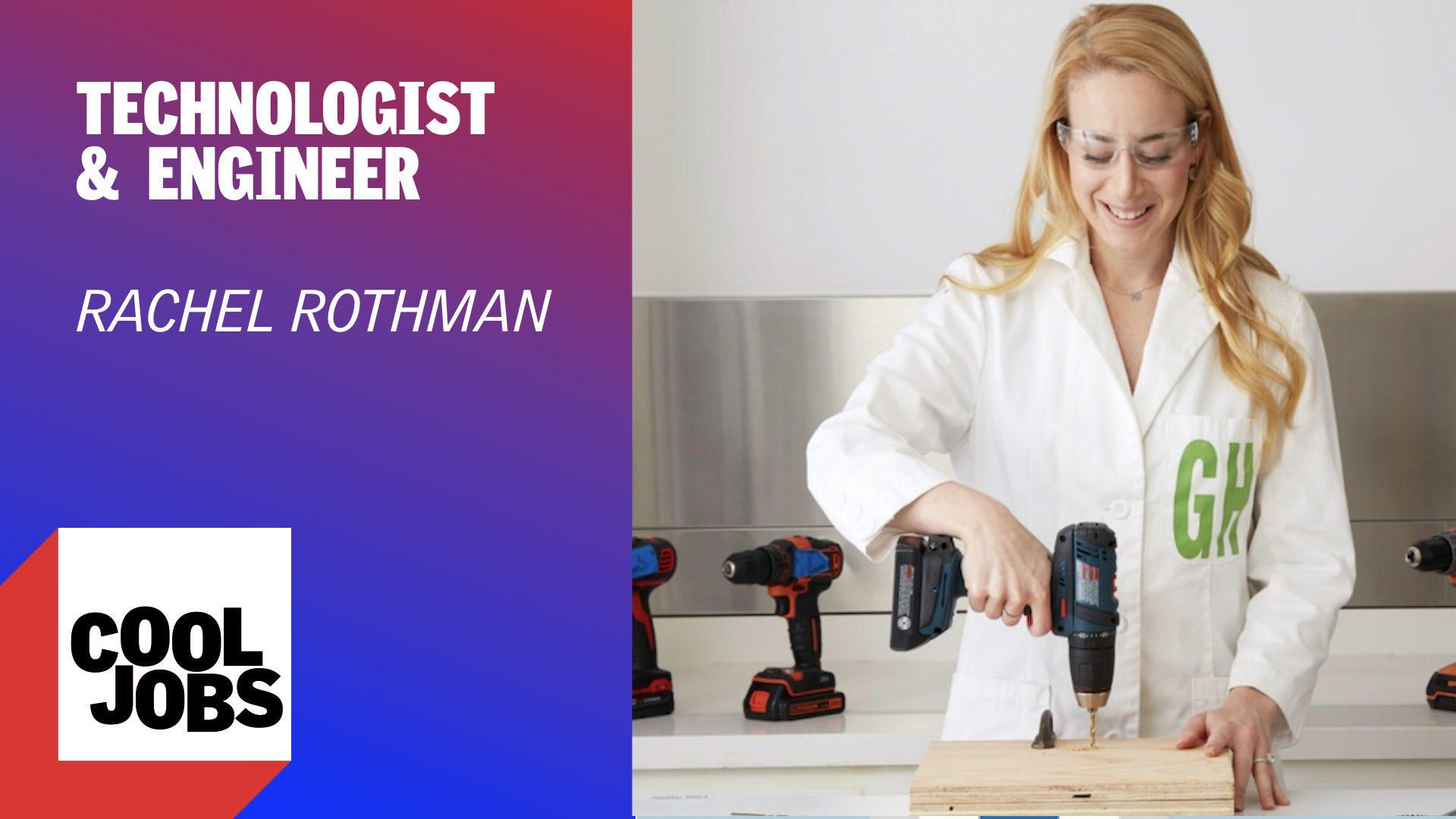
Safest Halloween costume, longest-running washing machine, toys that work! Engineer Rachel Rothman and her team of engineers, chemists and researchers make sure these marketing claims, are true as part of …
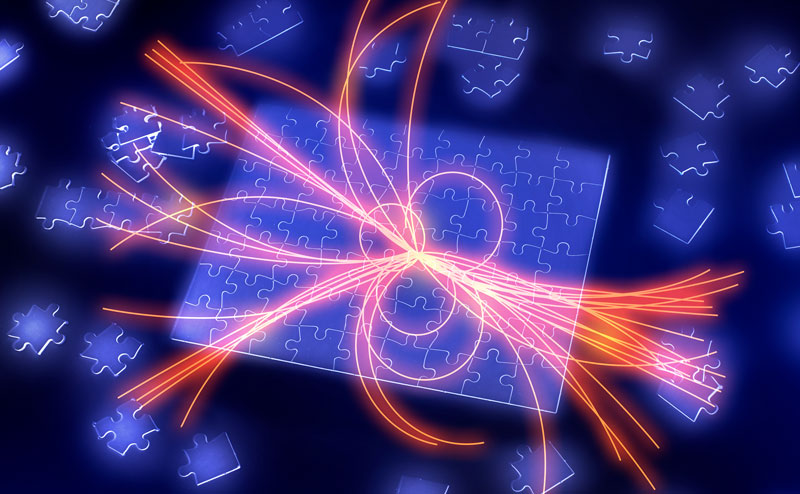
On July 4, 2012 the champagne flowed. The elusive Higgs boson—the fundamental particle that gives mass to all other particles—had been found. After generations of work, the last puzzle piece …
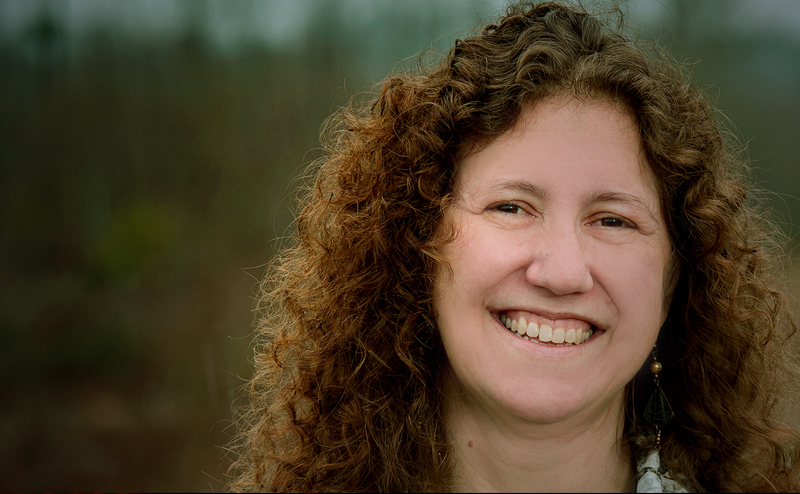
Great minds inspire greatness in others, which is why the Pioneers in Science program gives high school students from around the globe rare access to some of the world’s most …
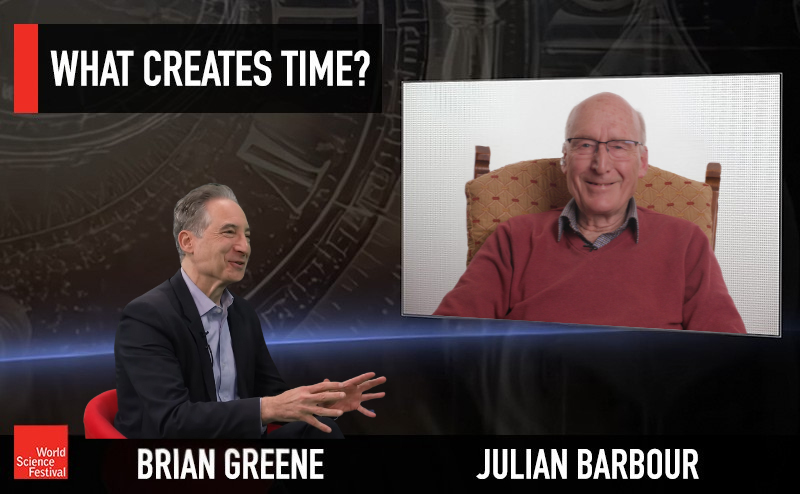
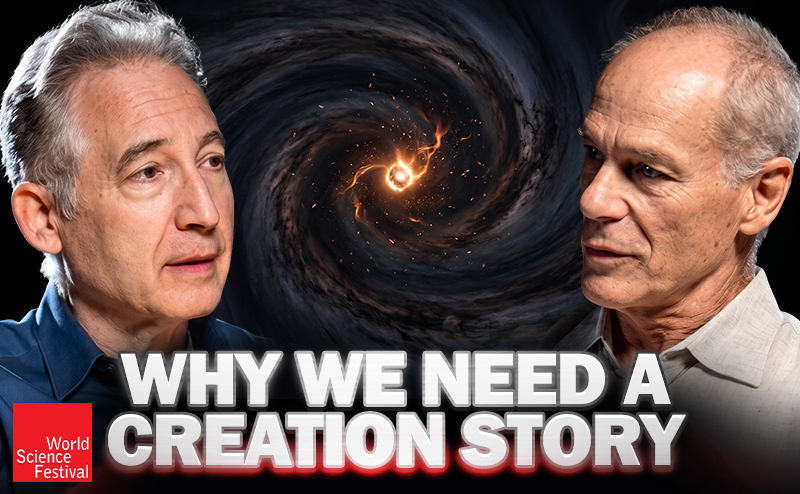
Scientist and author Julian Barbour joins Brian Greene to explain his heterodox views on the nature of time, entropy, and cosmic origins. This program is part of the Big Ideas …
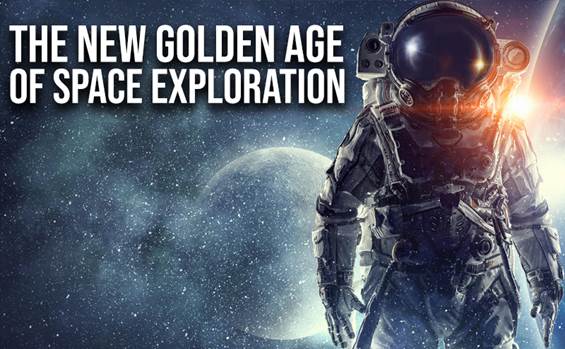
Humans are heading back to the moon…and this time, they have plans to stay. National and international space agencies, and private enterprise, are joining forces with the goal of establishing …
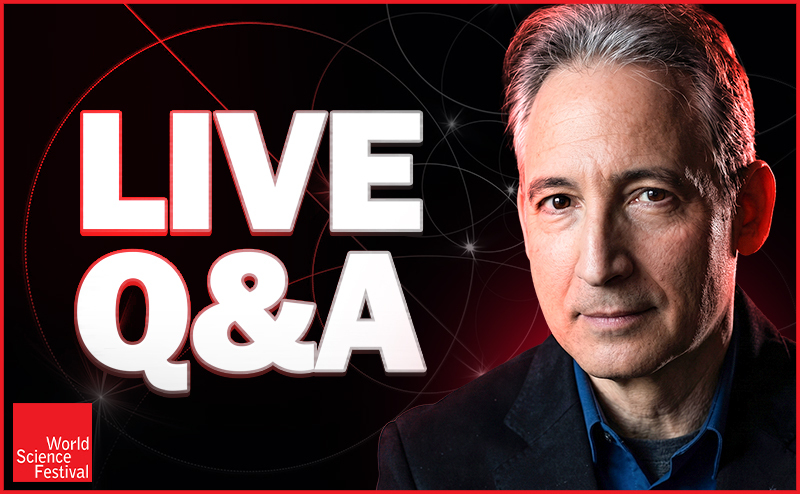
Bring your curiosity and your questions for a live Q+A with Brian Greene. This program is part of the Rethinking Reality series, supported by the John Templeton Foundation.