Search Icon



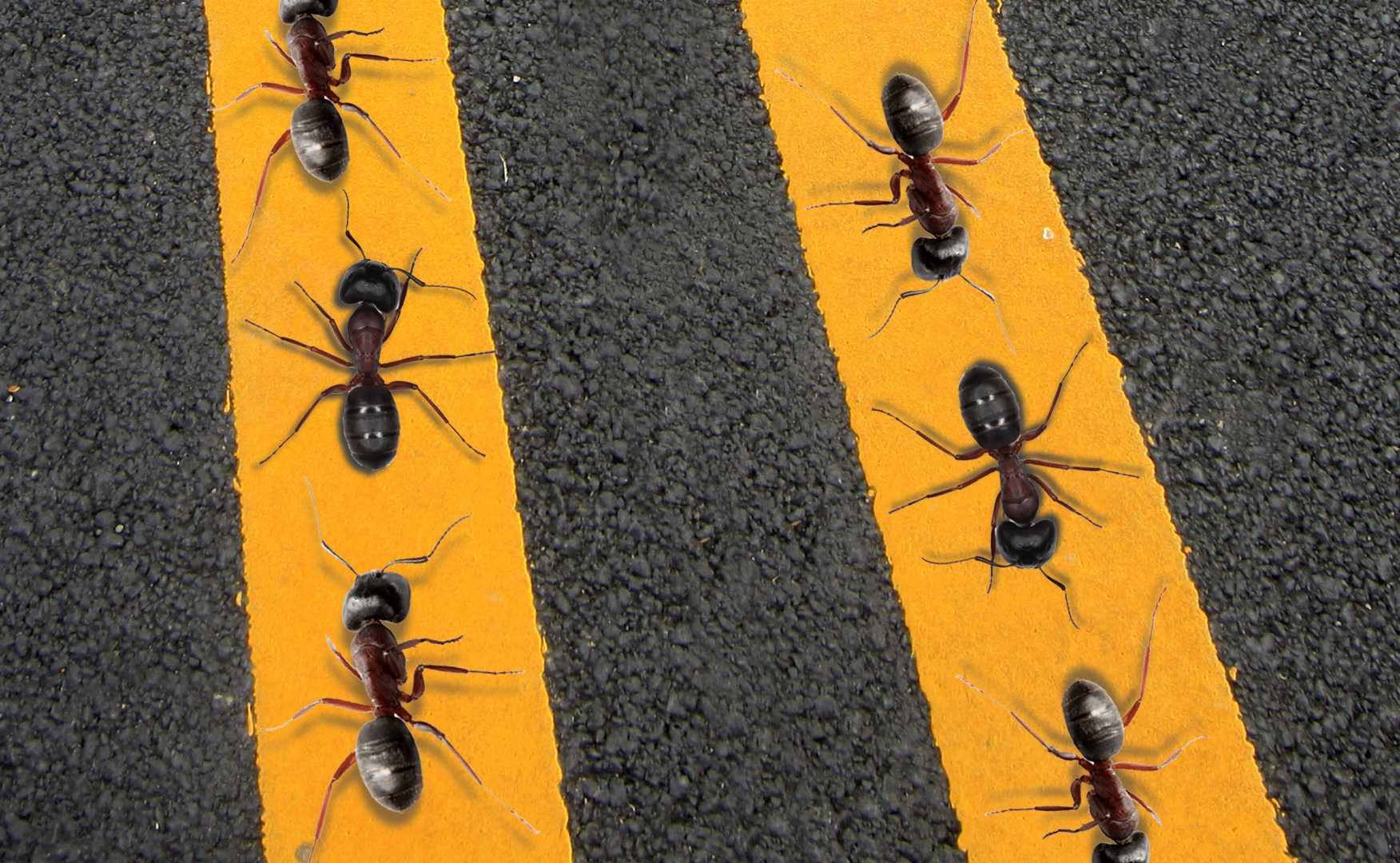
Can marching ants, schooling fish, and herding wildebeests teach us something about the morning commute? Robert Krulwich guides this unique melding of mathematics, physics, and behavioral science as Mitchell Joachim, Anna Nagurney and Iain Couzin examine the creative and sometimes counter intuitive solutions to one of the modern world’s most annoying problems.
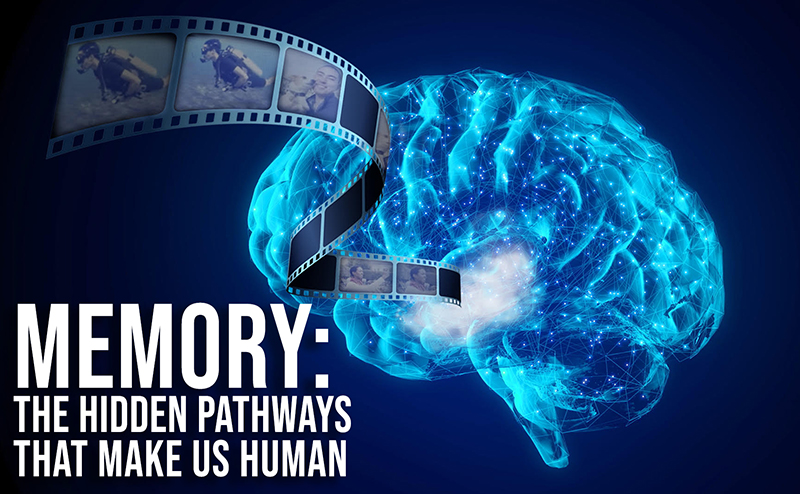
Memory defines us. Memory is the basis of our sense of self. But how do the structures of the mind store memories? What changes do memories imprint on the brain? …
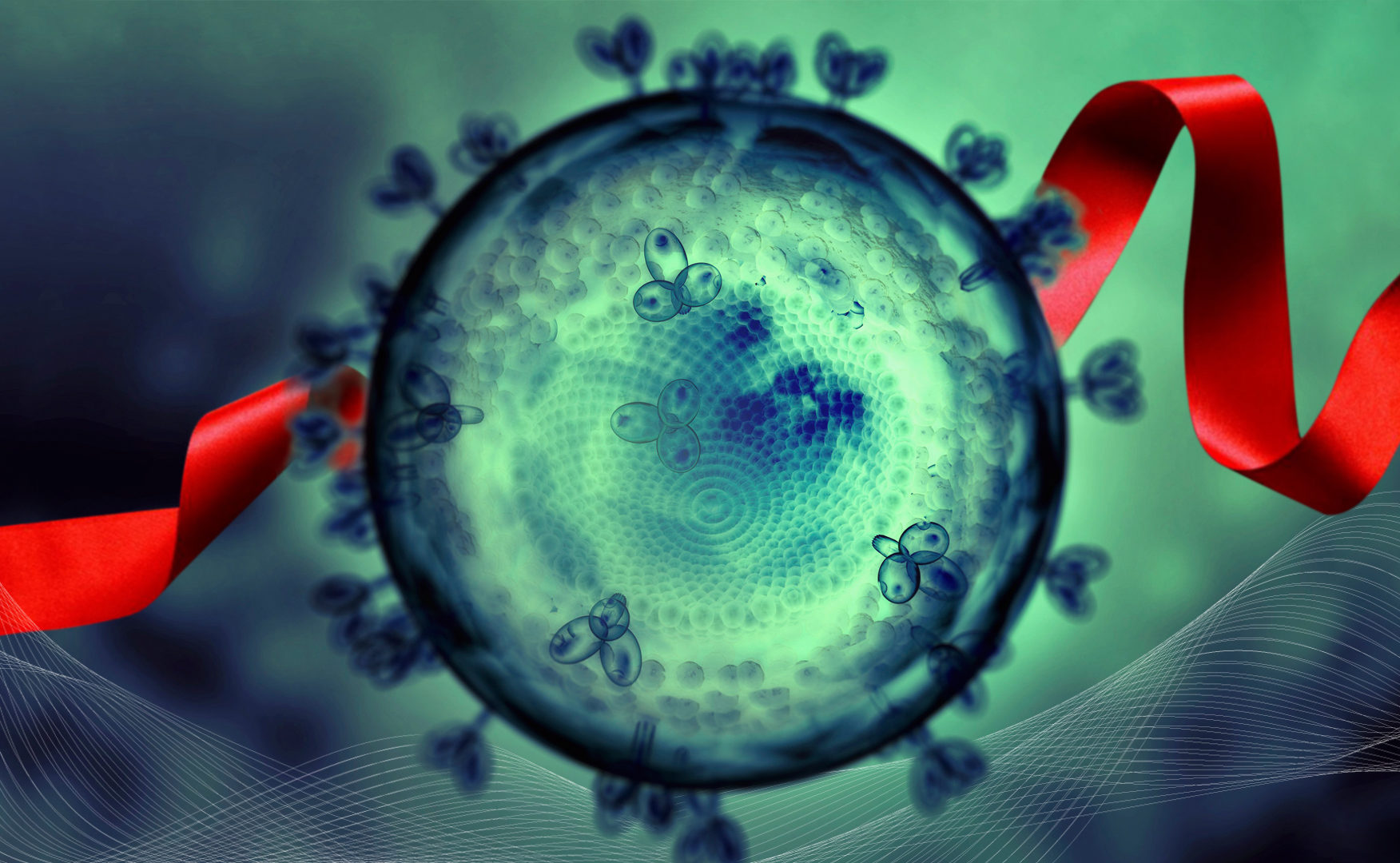
This program, Ending the Epidemic: Science Advances on AIDS, brings together leading researchers on the forefront of scientific efforts to understand and attack the virus that causes AIDS. Moderator Richard …
Nowadays, the tools for tracing your family tree have advanced far beyond looking back at names in the family Bible or compiling a scrapbook of paper records. Using your genetic information to find long-lost relatives is easier and cheaper than ever before—and scientists are looking to push the technology even further by analyzing our skin and facial features.
Prominent clashes — both historical and contemporary — have led to the widely held conclusion that science and religion are fundamentally incompatible. Yet, many scientists practice a traditional faith, having found a way to accommodate both scientific inquiry and religious teaching in their belief system.
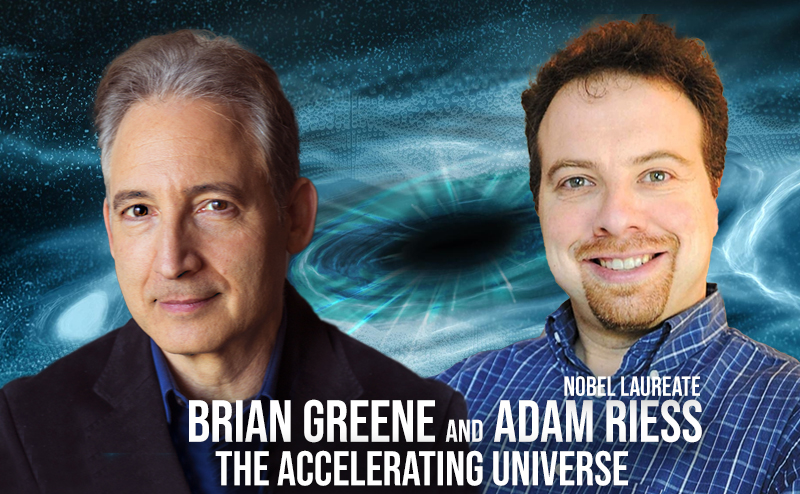
Nobel Laureate and physicist Adam Riess and Brian Greene discuss the paradigm-shattering discovery that the expansion of the universe is accelerating, the role of dark energy, and more. This program …