Search Icon



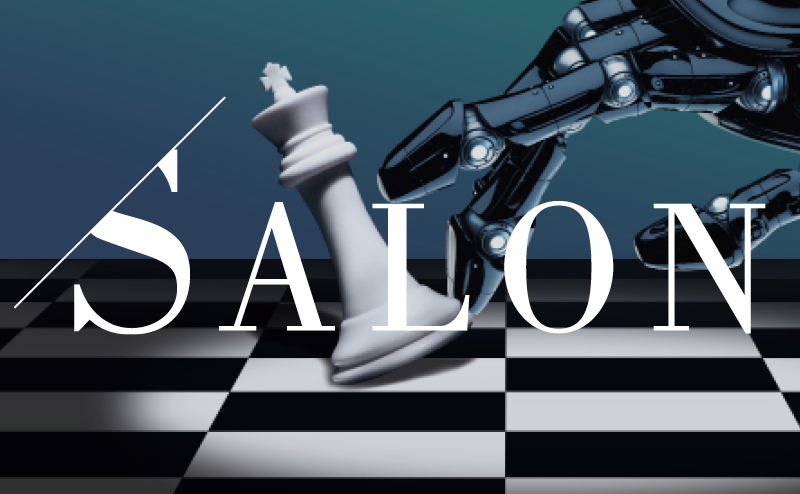
IBM’s Watson has the ability to make a diagnosis. Apps can track and monitor patient emergencies. Our phones may soon be our medical advisers. Preventive and diagnostic medicine is on the cusp of an AI revolution that will no doubt save lives.

Car accidents. Suicide bombers. Earthquakes. Death of a spouse. Why do some people bounce back from traumatic events while others do not? Is there a biological profile of resiliency?

Are there questions that science alone cannot answer? Might faith in God be the missing piece? Oxford mathematician John Lennox sits down with Brian Greene to explore humanity’s biggest questions, …

In March 2014, scientists working on the BICEP2 telescope at the South Pole reported an incredible discovery: a swirling pattern in the cosmic background radiation that appeared to indicate the presence of gravitational waves.

Join us for #YourDailyEquation with Brian Greene. Every Mon – Fri at 3pm EDT, Brian Greene will offer brief and breezy discussions of pivotal equations. Even if your math is a …
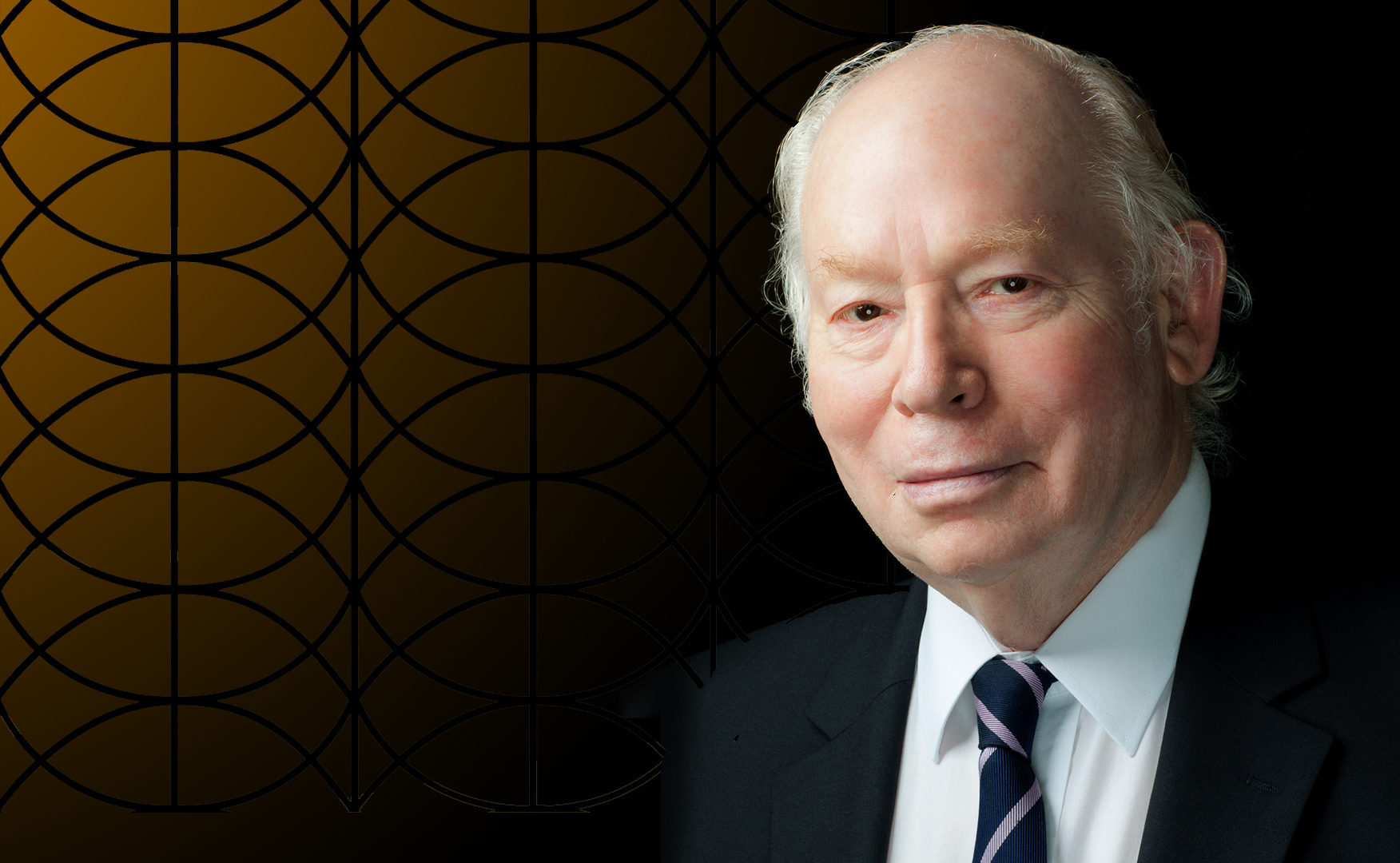
For this year’s inaugural address, “The Future of Big Science,” Nobel laureate and physicist Steven Weinberg considers the future of fundamental physics, especially as funding for basic research is reduced. Weinberg will explore physics’ small origins, starting with the discovery of the atomic nucleus 100 years ago by a single scientist.