Search Icon




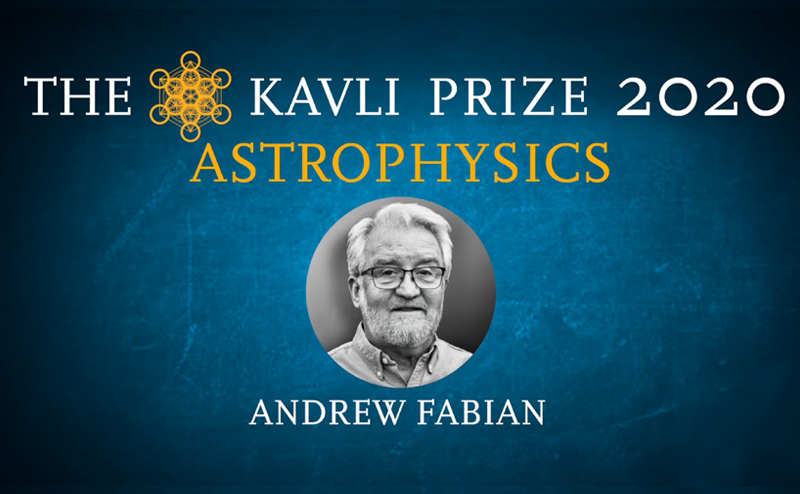
The prestigious Kavli Prizes recognize scientists for major advances in three research areas: astrophysics, nanoscience and neuroscience—the big, the small and the complex. The 2016 winners, sharing a cash award of $1 million in each field, will be announced via live satellite from the Norwegian Academy of Science and Letters in Oslo.
There are many types of telescopes used in astronomy, but X-ray telescopes offer a view of the cosmos that reveal just how much of a living ecosystem the universe is. …
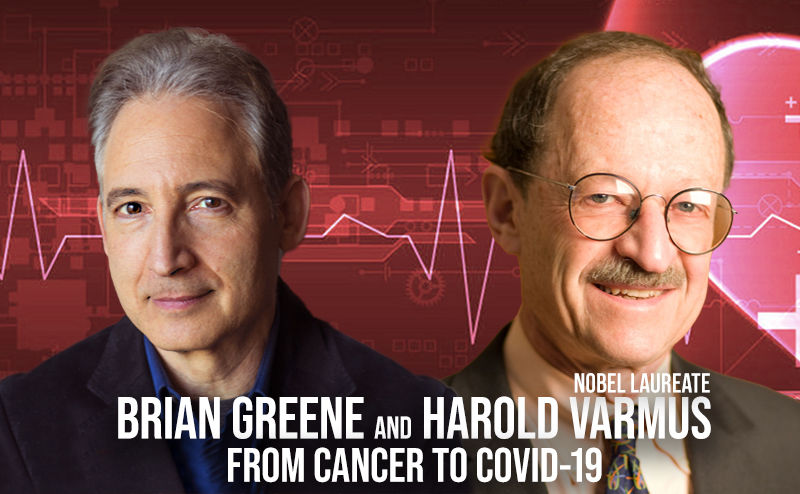
In this World Science U Live Session, Nobel laureate, former Director of the National Institutes of Health and former President of Memorial Sloan Kettering, Harold Varmus, M.D., and Brian Greene …
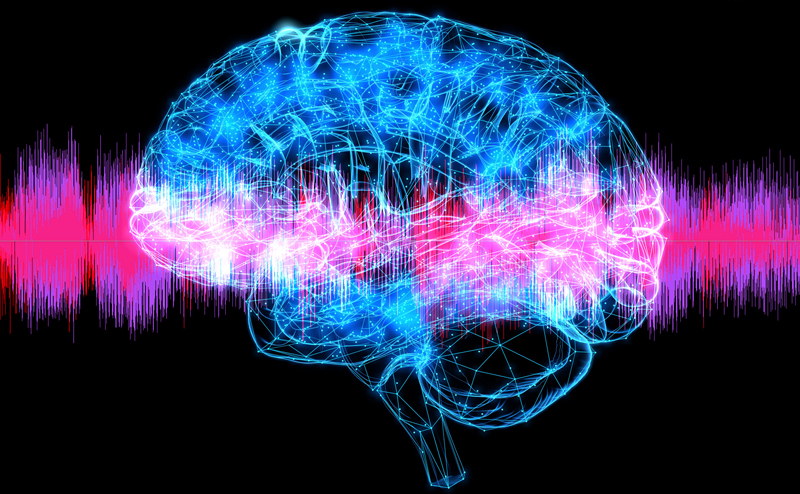
Is our response to music hard-wired or culturally determined? Is the reaction to rhythm and melody universal or influenced by environment? John Schaefer, scientist Daniel Levitin, and musical artist Bobby McFerrin engage in live performances and cross-cultural demonstrations to illustrate music’s noteworthy interaction with the brain and our emotions.
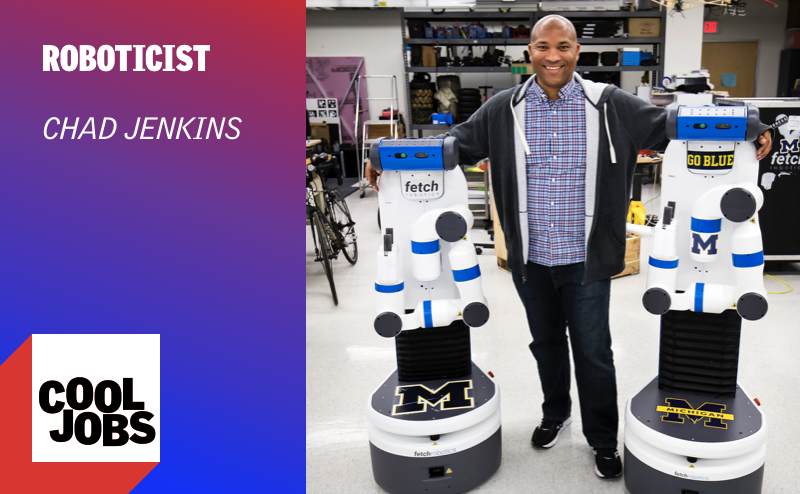
Roboticist Chad Jenkins’s career started with the Atari 2600 video game, and after tinkering with other games, he began a new career creating robots that can sense, plan, and act …

Creative thought is surely among our most precious and mysterious capabilities. But can powerful computers rival the human brain? As thinking, remembering and innovating become increasingly interwoven with technological advances, what are we capable of? What do we lose? Join Luciano Floridi, John Donoghue, Gary Small and Rosalind Picard for a thought-provoking program about thinking.