Search Icon





#YourDailyEquation with Brian Greene offers brief and breezy discussions of the most pivotal equations of the ages. Even if your math is a bit rusty, these accessible and exciting stories of …
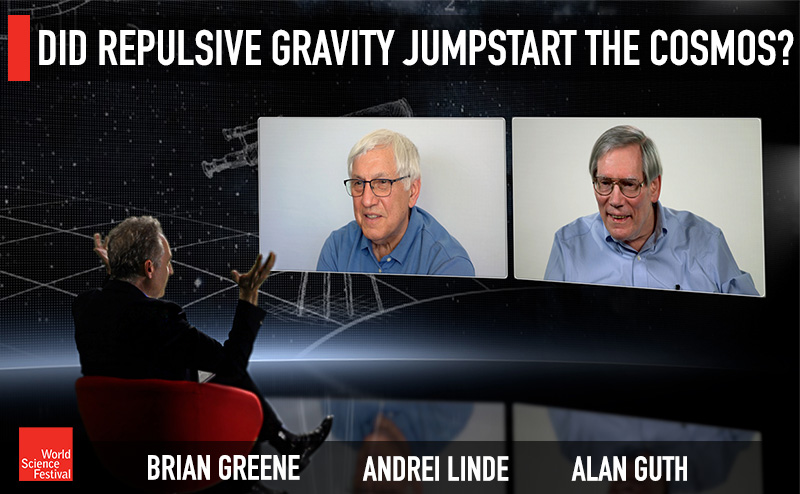
For decades, inflation has been the dominant cosmological scenario, but recently the theory has been subject to competition and critique. Two renowned pioneers of inflation — Alan Guth and Andrei …
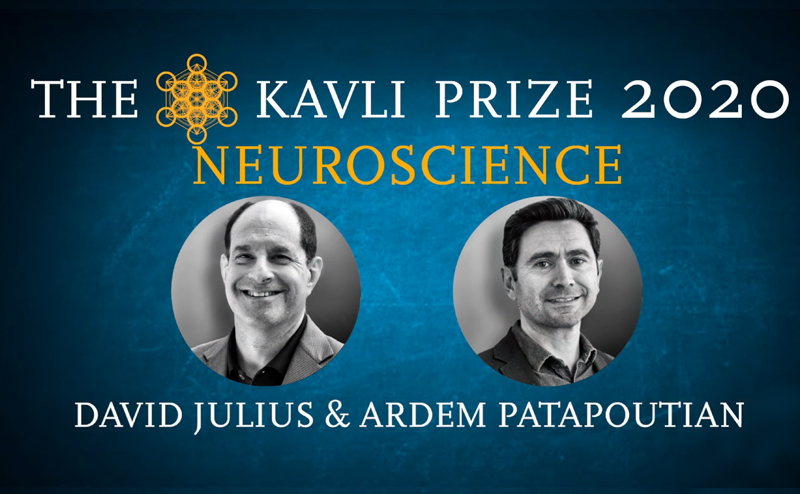
Temperature and pressure. Two sensations of vital importance in one’s daily life. Yet science has been lacking a deeper understanding of how these sensations are detected and encoded on a …
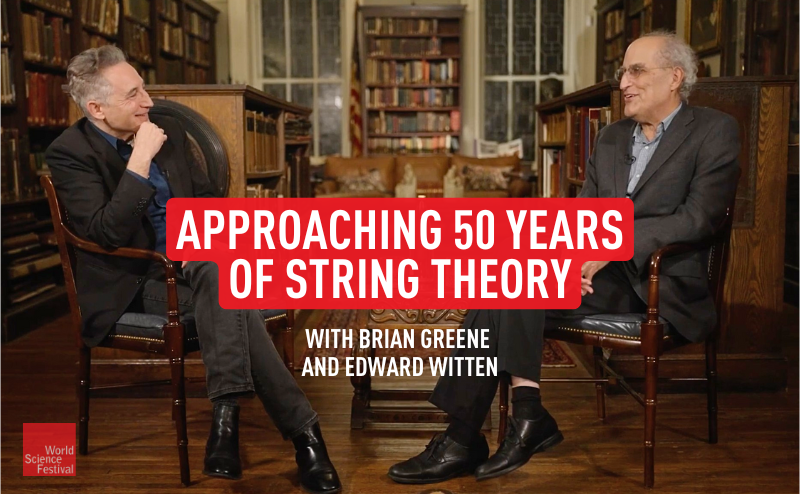
Edward Witten, widely regarded as one of the greatest living theoretical physicists, sits down with Brian Greene to explore the deepest questions at the frontiers of modern science. From string …
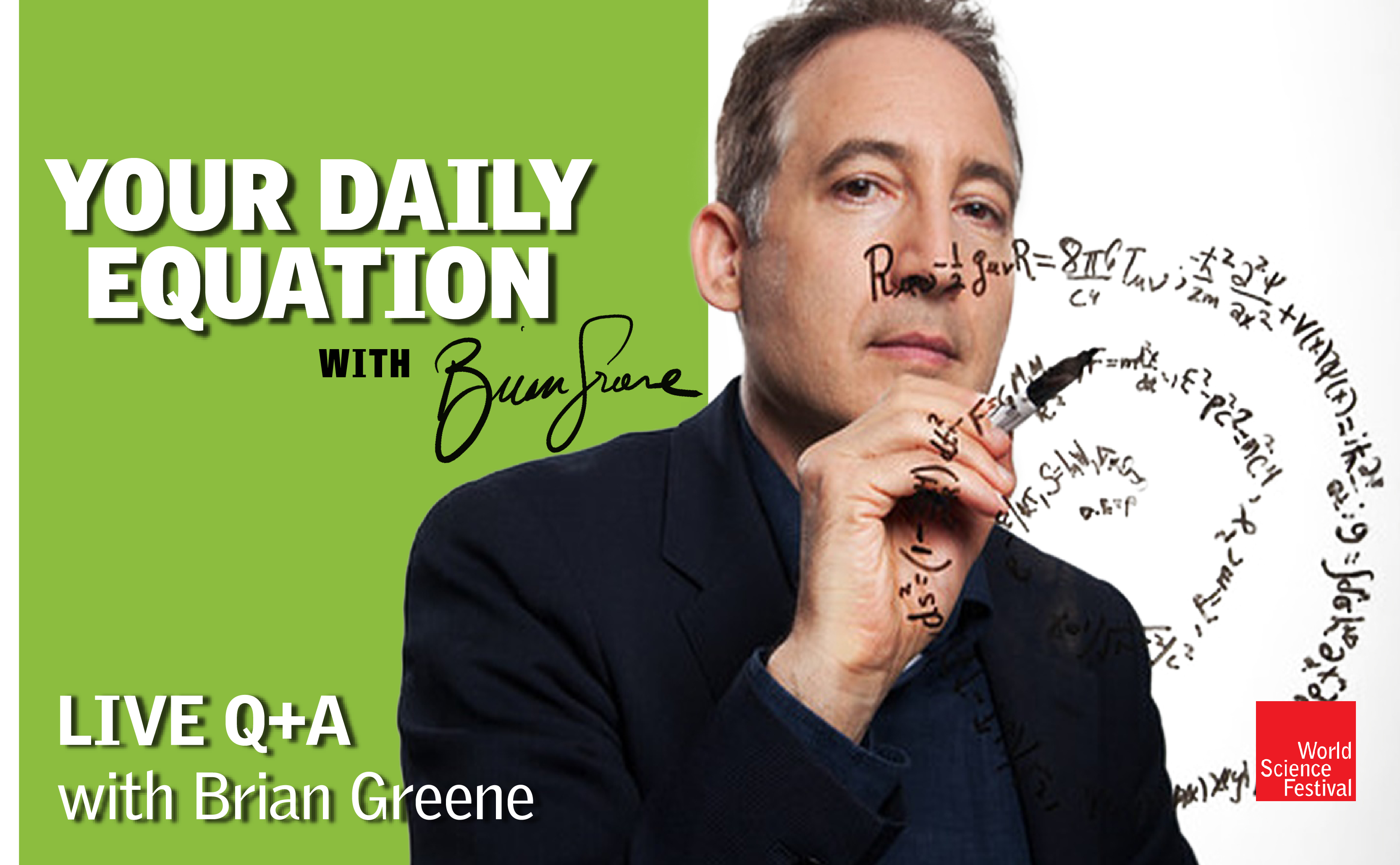
Join us for #YourDailyEquation with Brian Greene. Every Mon – Fri at 3pm EDT, Brian Greene will offer brief and breezy discussions of pivotal equations. Even if your math is a …

A novel intelligence has roared into the mainstream, sparking euphoric excitement as well as abject fear. Explore the landscape of possible futures in a brave new world of thinking machines, …