Search Icon



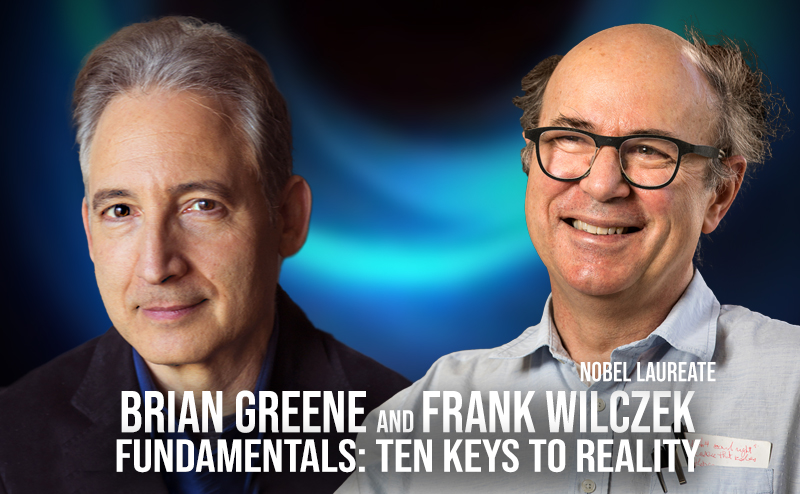
Brian Greene and Nobel Laureate Frank Wilczek discuss quantum mechanics, dark matter, cosmology, consciousness, and Wilczek’s new book, “Fundamentals: Ten Keys to Reality.” This program is part of the Big …
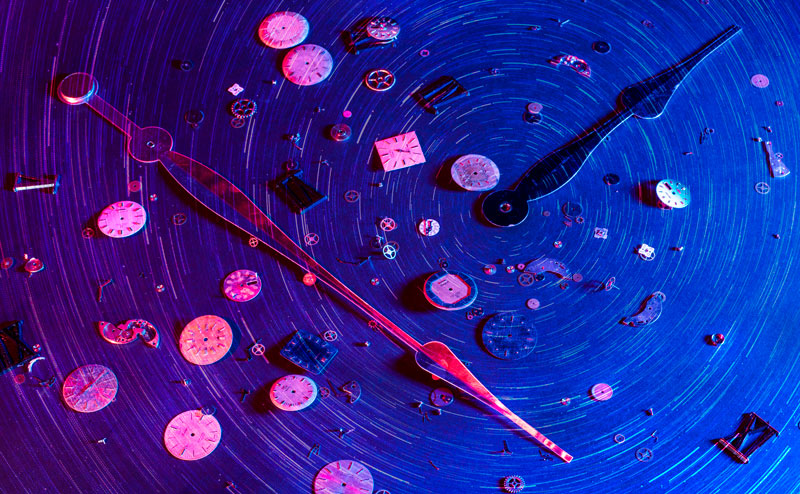
Join a physicist, a neuroscientist, and a linguist as they explore the deep enigmas of time. Time feels like it flows, but does it? Time seems to have a built-in …

Join us for #YourDailyEquation with Brian Greene. Every Mon – Fri at 3pm EDT, Brian Greene will offer brief and breezy discussions of pivotal equations. Even if your math is a …
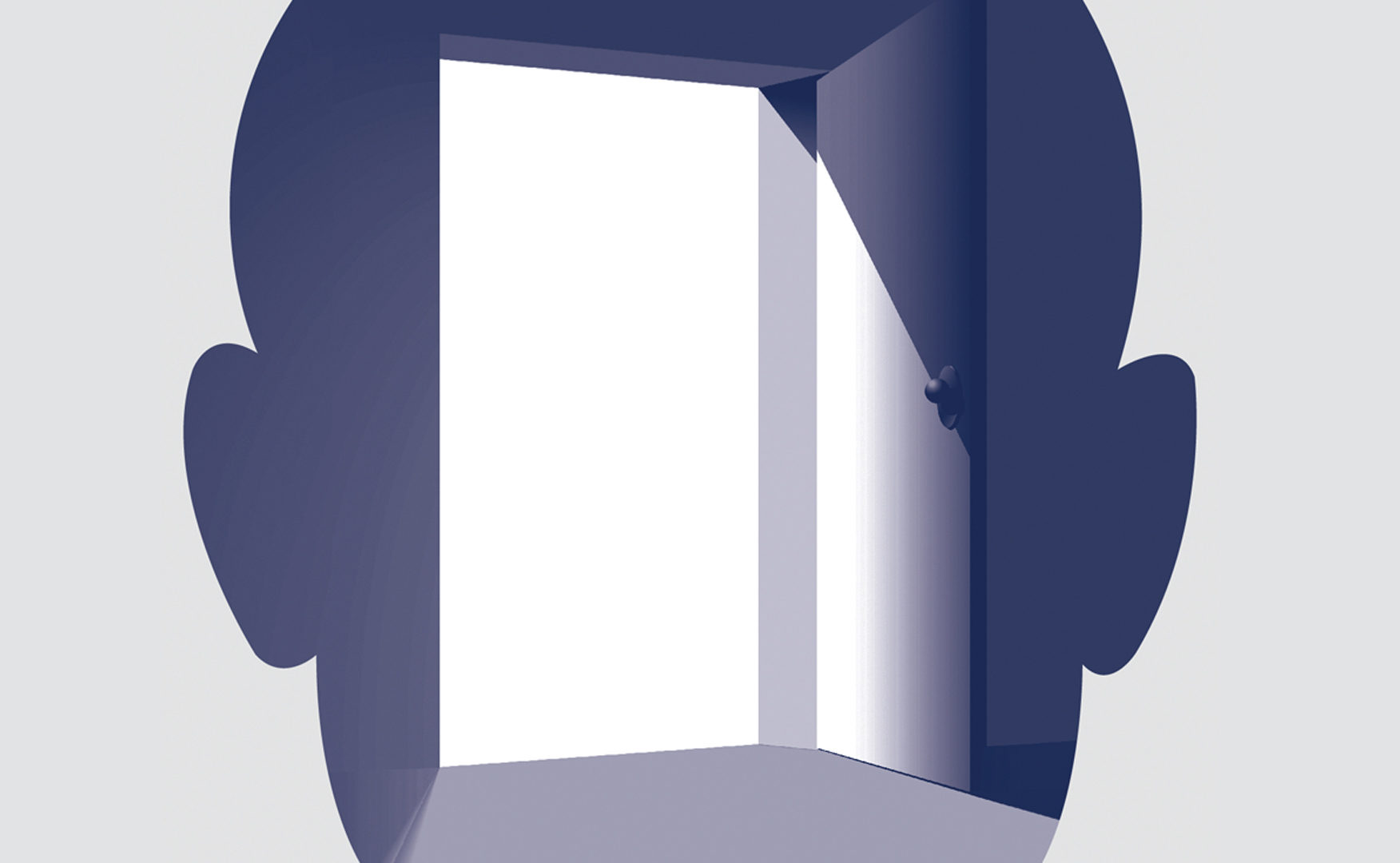
Consciousness is a terrible curse. Or so says a character in screenwriter/director Charlie Kaufman’s Being John Malkovich. Part theater of the absurd and part neuroscience fiction, the Oscar-winning filmmaker’s work captures the splintering between what we perceive and what we feel as our brains grapple with multiple layers of reality.

A compelling narrative is the true heart of science writing, whether it comes in the form of a science fiction classic like Frankenstein or a physicist’s blog posts. But what are the specific ways that writers illuminate and humanize science?
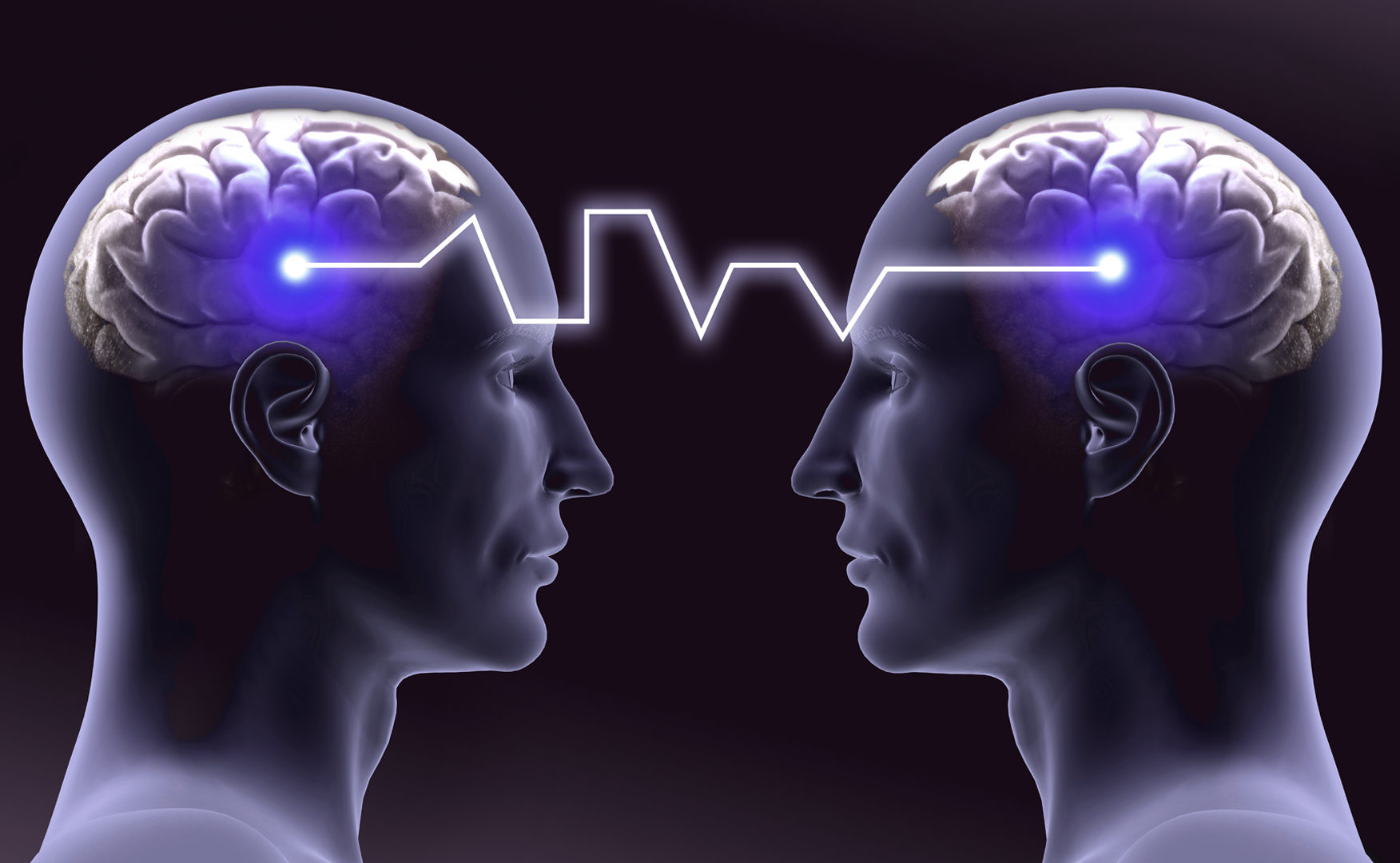
Music students download the technique of their favorite pianist or singer directly into their brains. Medical students download the skills of a seasoned surgeon or diagnostician. And each one of us routinely uploads our thoughts and memories to the digital cloud.