Search Icon




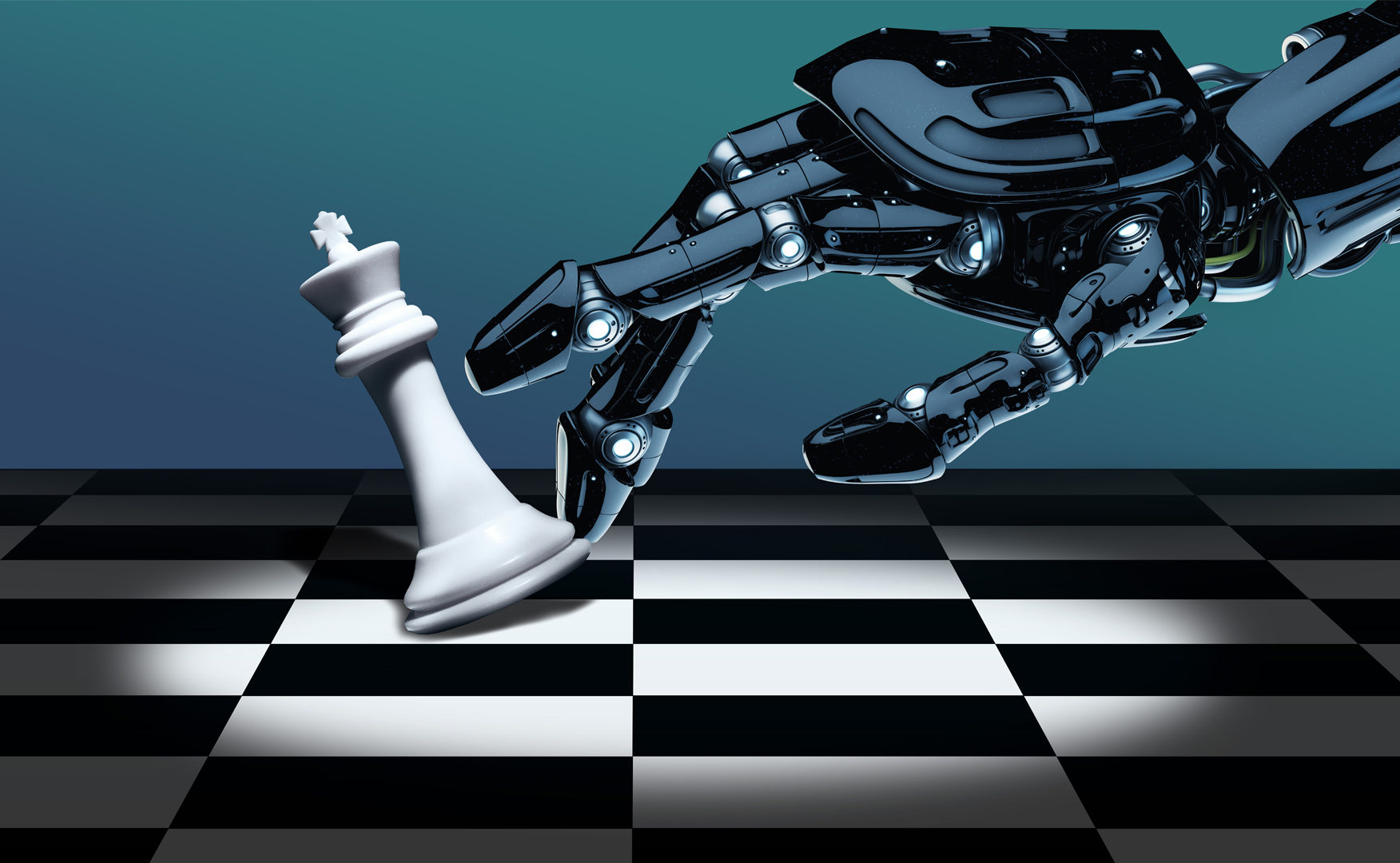
A self-driving car has a split second to decide whether to turn into oncoming traffic or hit a child who has lost control of her bicycle. An autonomous drone needs to decide whether to risk the lives of busload of civilians or lose a long-sought terrorist. How does a machine make an ethical decision?
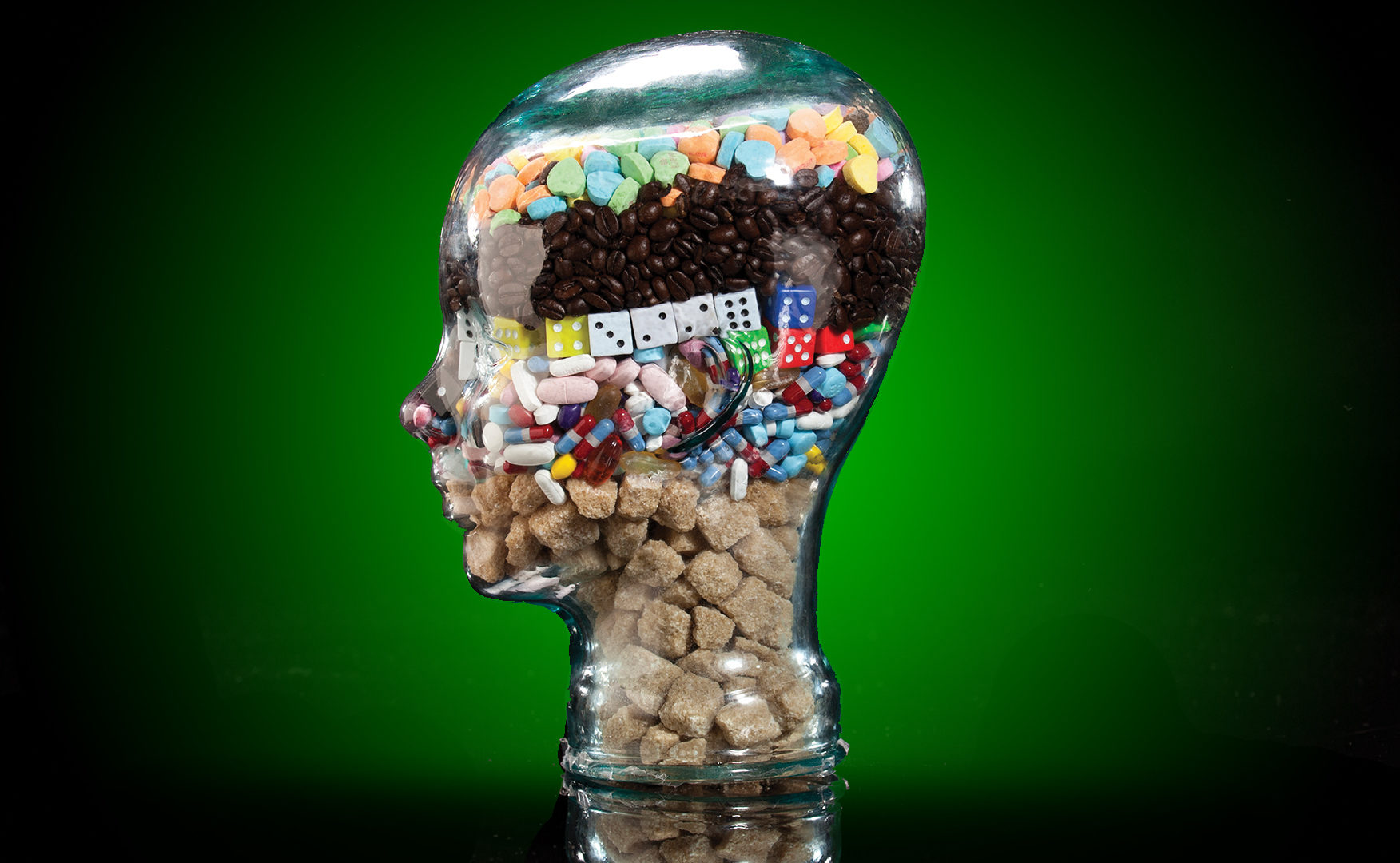
When we try to get rid of a bad habit, whether it involves food or drugs or gambling, it often seems like we’re fighting ourselves inside. The reality’s not far off: Addiction twists the reward pathways of the brain to keep addicts tied to whatever gets them high.
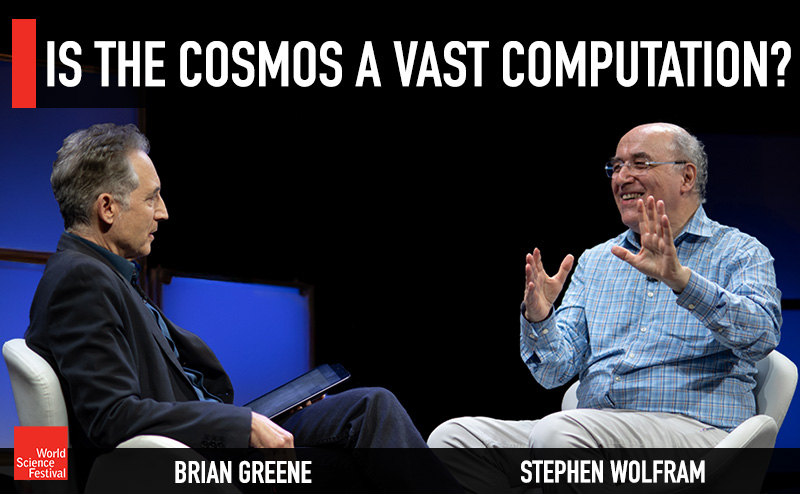
Pioneering computer scientist and physicist Stephen Wolfram joins Brian Greene to discuss the interplay between physical law, computation, and artificial intelligence.
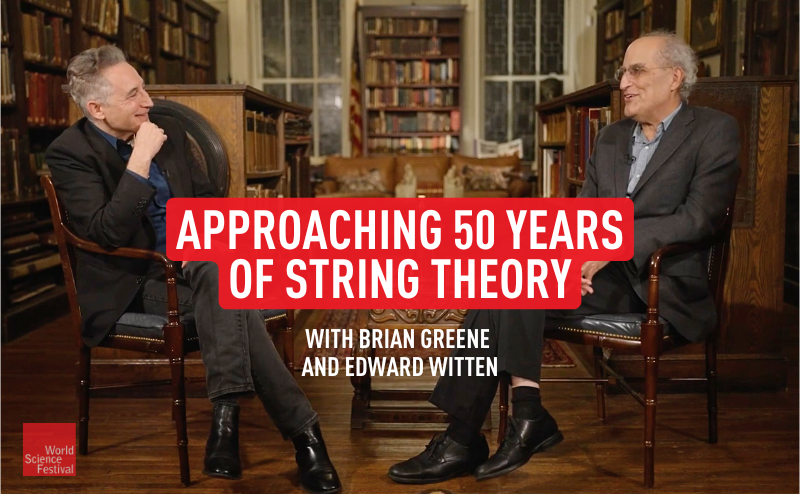
Edward Witten, widely regarded as one of the greatest living theoretical physicists, sits down with Brian Greene to explore the deepest questions at the frontiers of modern science. From string …

Our genes strictly dictate our personalities, appearance and diseases. Or do they? Research has revealed that genes can turn on and off; they can be expressed for years and then silenced. Sometimes, they are never activated. And these genetic instructions—how and when DNA is read—can be determined by the experiences of one’s ancestors, even those several generations back.

Are there questions that science alone cannot answer? Might faith in God be the missing piece? Oxford mathematician John Lennox sits down with Brian Greene to explore humanity’s biggest questions, …