Search Icon




Extra dimensions of space — the idea that we are immersed in hyperspace — may be key to explaining the fundamental nature of the universe. Relativity introduced time as the fourth dimension, and Einstein’s subsequent work envisioned more dimensions still — but ultimately hit a dead end.

As computers become progressively faster and more powerful, they’ve gained the impressive capacity to simulate increasingly realistic environments. Which raises a question familiar to aficionados of The Matrix—might life and the world as we know it be a simulation on a super advanced computer?
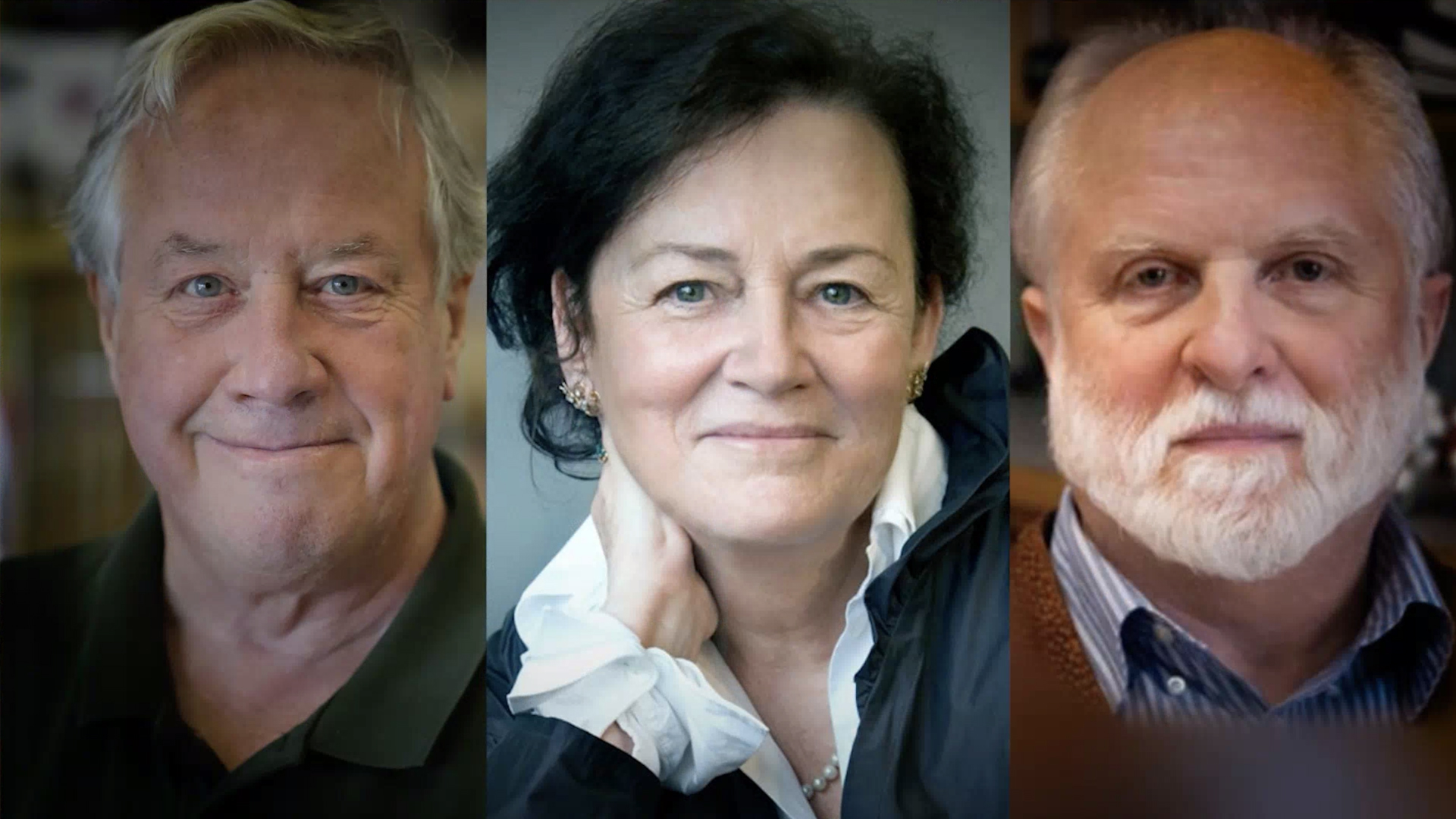
The Winners Of The 2018 Kavli Prize In Neuroscience are James Hudspeth, Robert Fettiplace and Christine Petit for their groundbreaking research unraveling the mysteries of how we hear. 2018 marks …
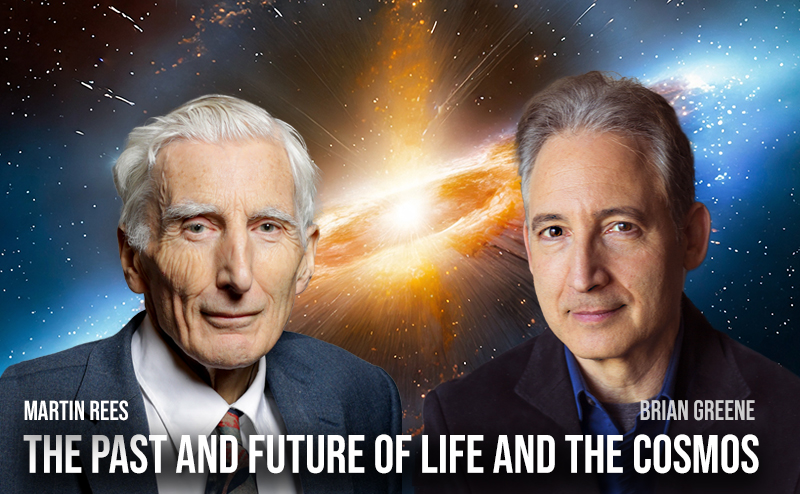
Join Brian Greene and Britain’s Astronomer Royal Martin Rees as they discuss challenges and opportunities swirling around cosmology–the big bang, dark matter, dark energy, and black holes–and the future of …
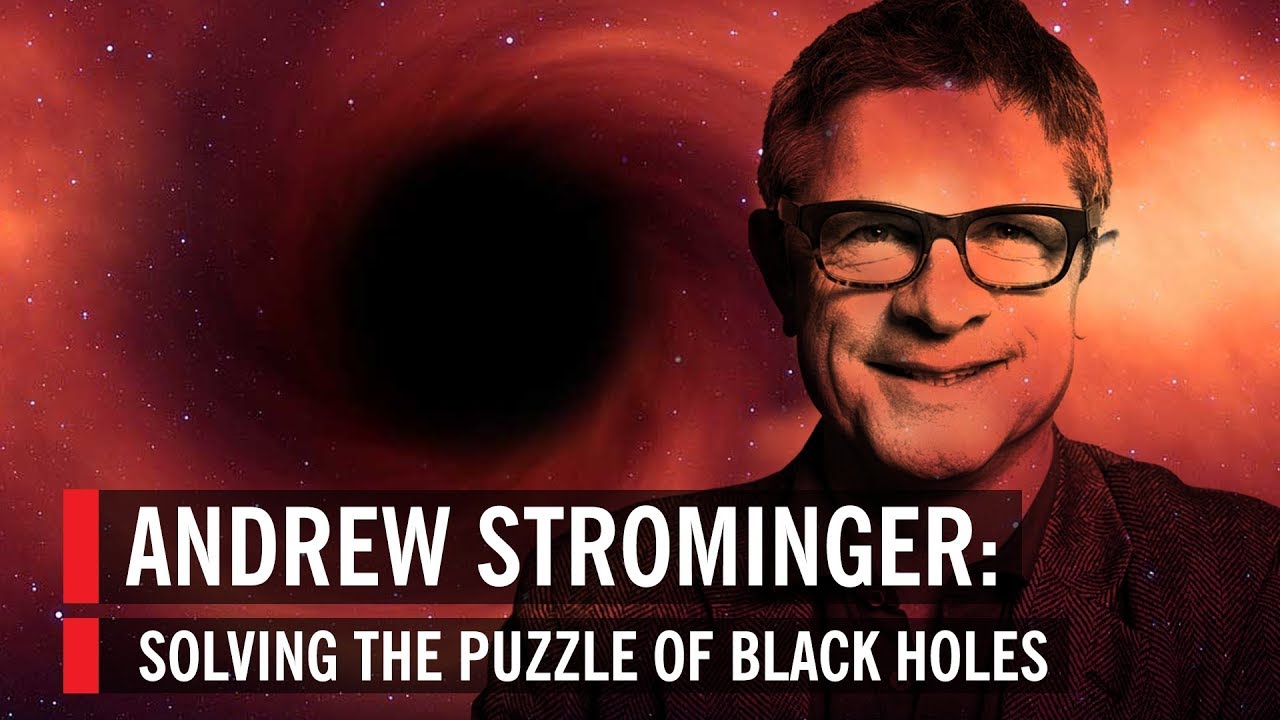
Harvard University Professor of Physics Andrew Strominger explores the deep theoretical puzzles that have driven black hole research and the insights achieved by recent breakthroughs. This program is part of …
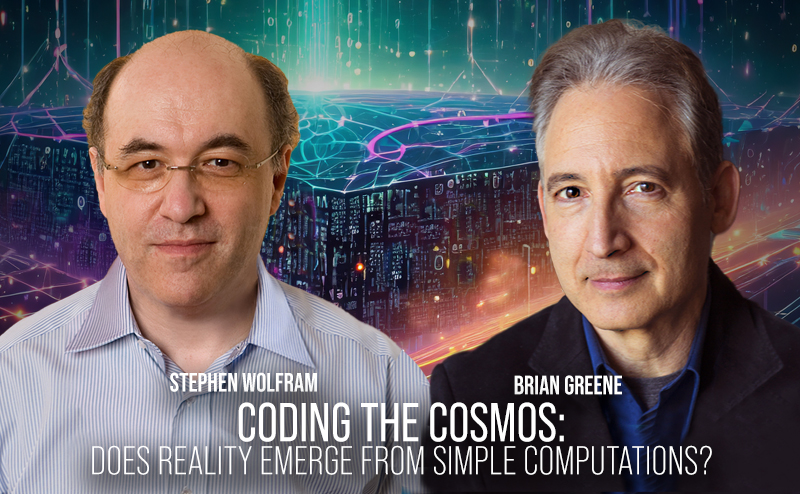
Stephen Wolfram joins Brian Greene to explore whether the ultimate theory of the universe might emerge from a computationally simple framework. This program is part of the Big Ideas series, …