Search Icon





The oceans remain a realm of mystery, with an astonishing 95% still unmapped, but their secrets are starting to be revealed. Journey into the deep to explore exciting discoveries like …
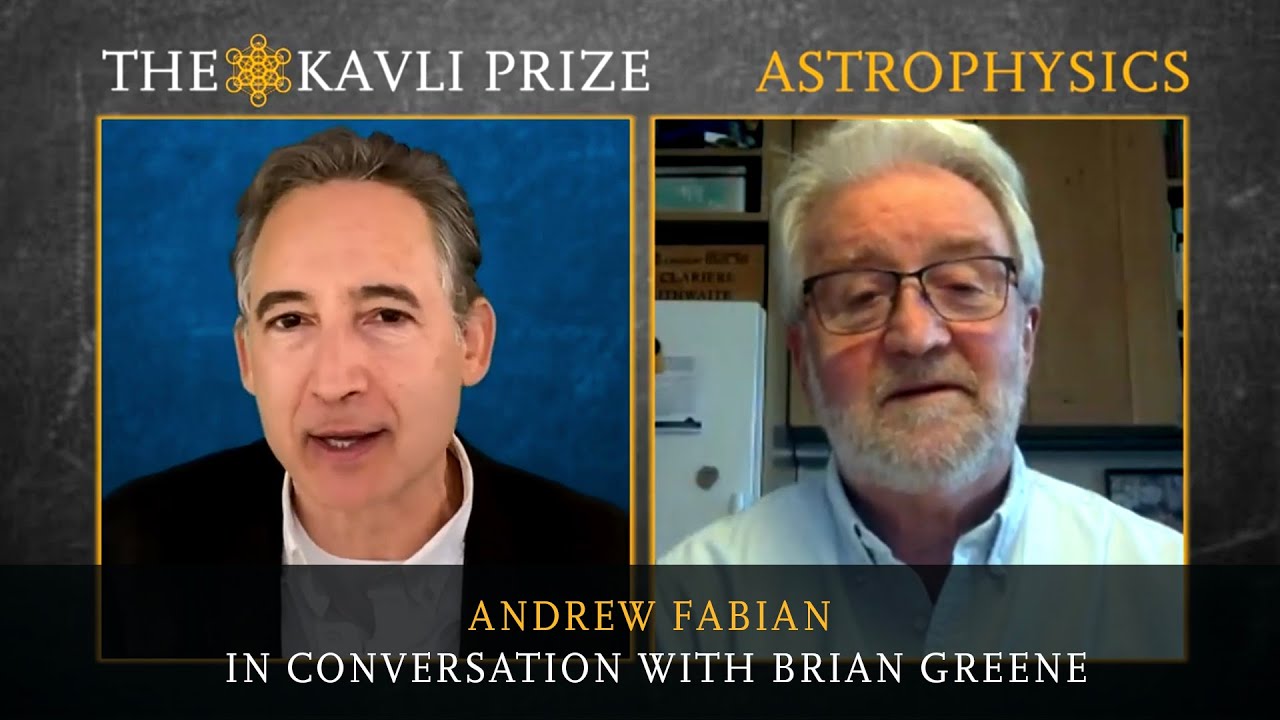
The 2020 Kavli Prize In Astrophysics is awarded to Andrew Fabian for his groundbreaking research in the field of observational X-ray astronomy, covering a wide range of topics from gas …
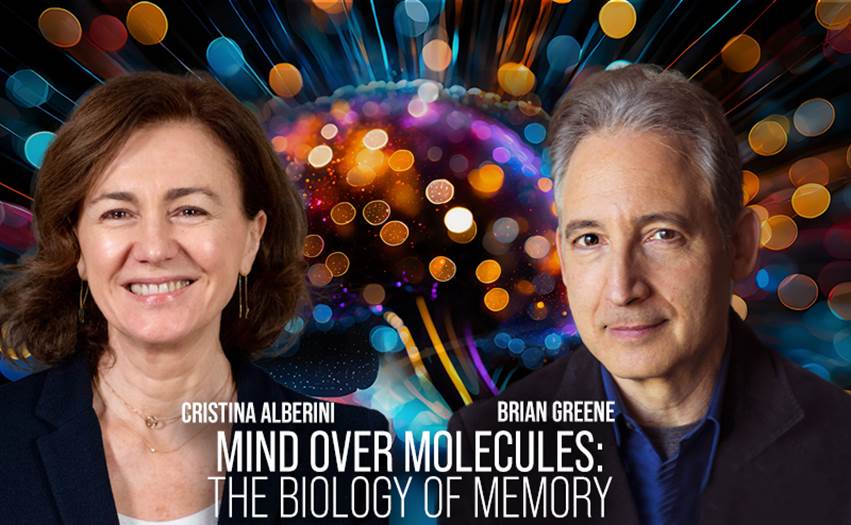
Explore memory’s biological blueprint as Brian Greene and Cristina Alberini probe the science behind our most cherished recollections, and discuss what may be the key to the formation of long-term …
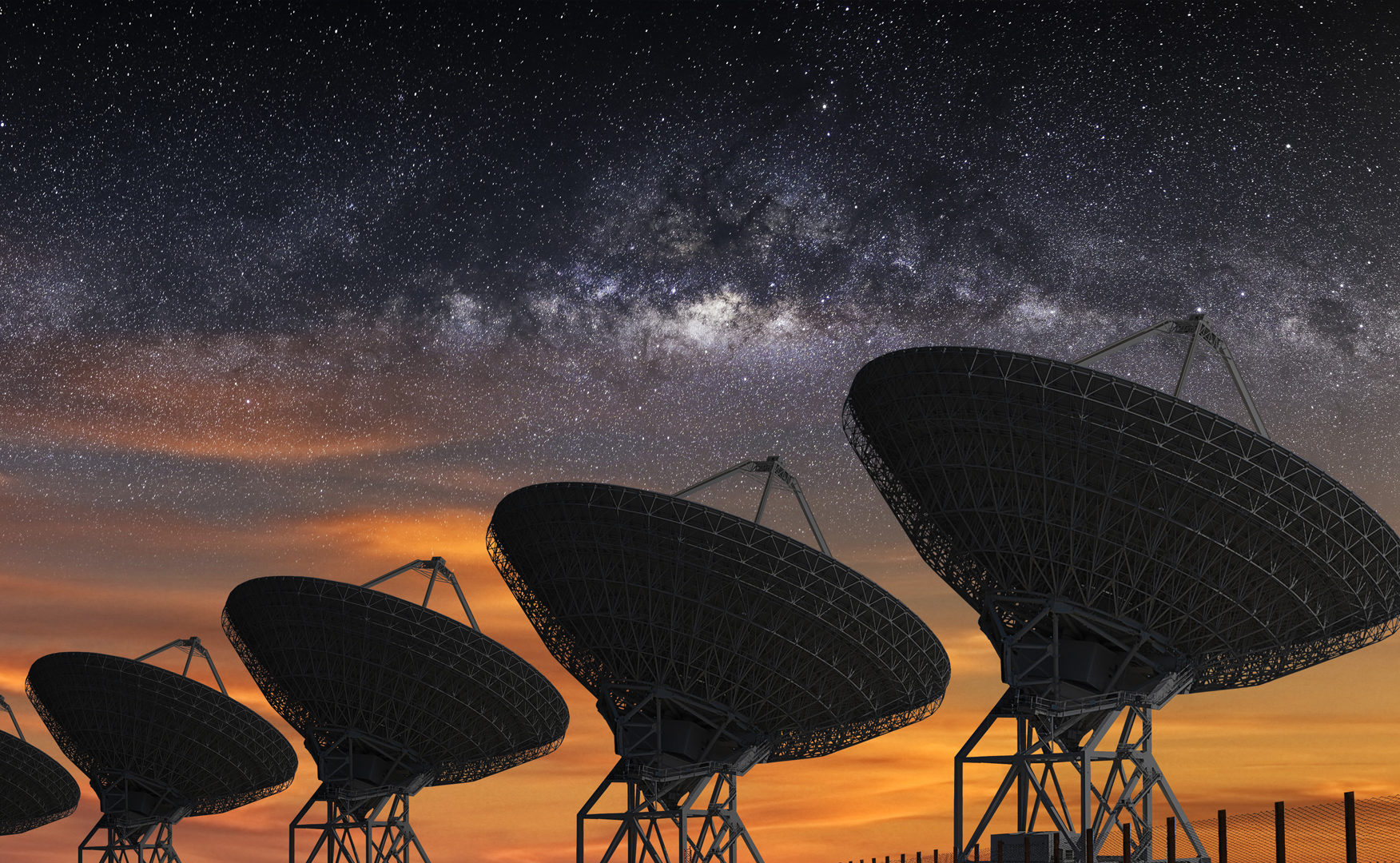
Are we alone? It’s a question that has obsessed us for centuries, and now we have the technology to do more than wonder. Scientists on the hunt for distant planets and extraterrestrial intelligence explore faraway galaxies and barely visible realms.

Immanuel Kant, who coined the term genius in the 1700s, defined it as the rare capacity to independently understand concepts that would normally have to be taught by another person. Since then, the spectrum of abilities that we call genius has widened, but pivotal questions remain: What exactly is genius?
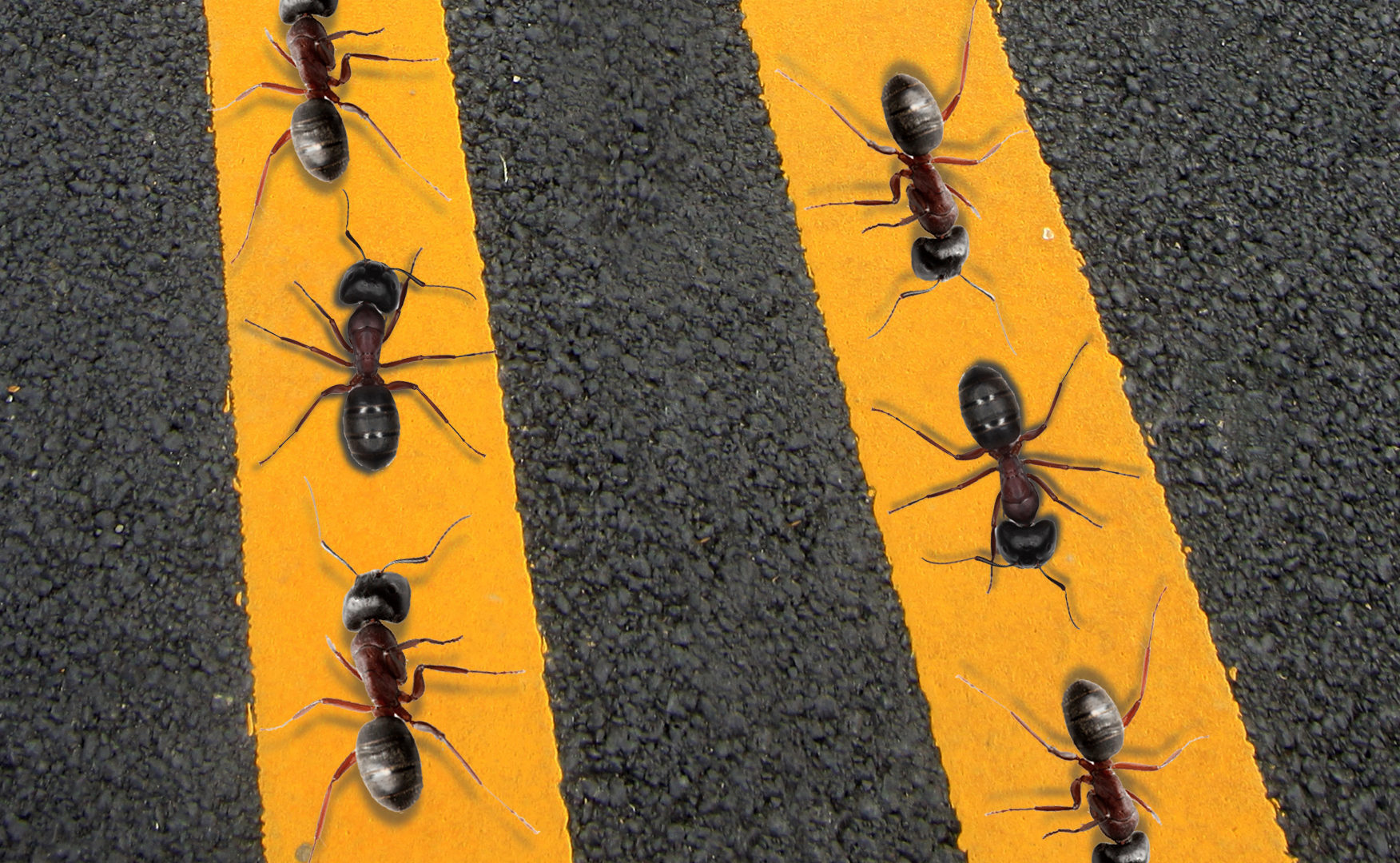
Can marching ants, schooling fish, and herding wildebeests teach us something about the morning commute? Robert Krulwich guides this unique melding of mathematics, physics, and behavioral science as Mitchell Joachim, Anna Nagurney and Iain Couzin examine the creative and sometimes counter intuitive solutions to one of the modern world’s most annoying problems.