

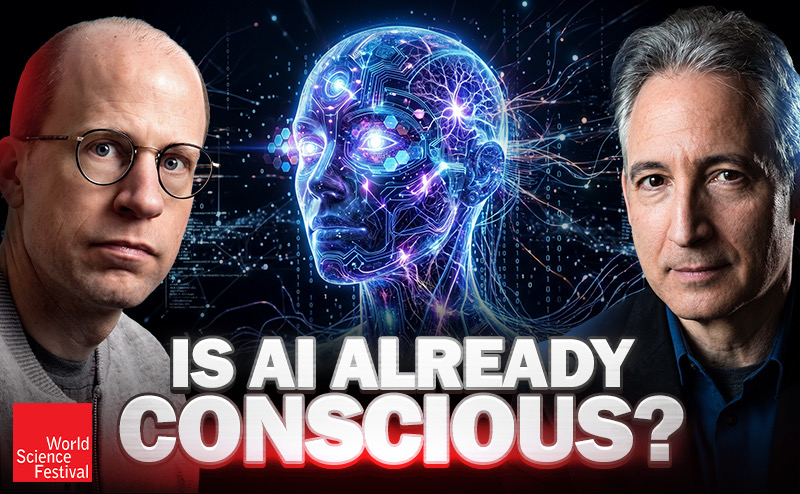
Does our intelligence, creativity, or consciousness make us unique? Brian Greene sits down with Nick Bostrom, author of Superintelligence and Deep Utopia, to explore how AI systems are already reshaping the answers to these questions.
Greene and Bostrom explore whether AI creativity is meaningfully different from our own, and whether the things we’ve always considered distinctly human, like originality, imagination, and artistic genius, are really as unique as we’d like to believe. They examine whether current models may already have some form of subjective experience, and what it would even mean to find out. Bostrom shares research showing that frontier AI systems can detect when they’re being tested and adjust their behavior accordingly, and explains why that makes the alignment problem far harder to dismiss than most people realize. And they consider what human life may actually look like on the other side of a solved world, when AI has eliminated suffering, automated labor, and rendered most of our instrumental effort unnecessary. Is that a utopia? And if it is, would it still feel like a life worth living? This is one of the most wide-ranging conversations on where intelligence, humanity, and the future of civilization are all headed.
This program is part of the Rethinking Reality series, supported by the John Templeton Foundation.