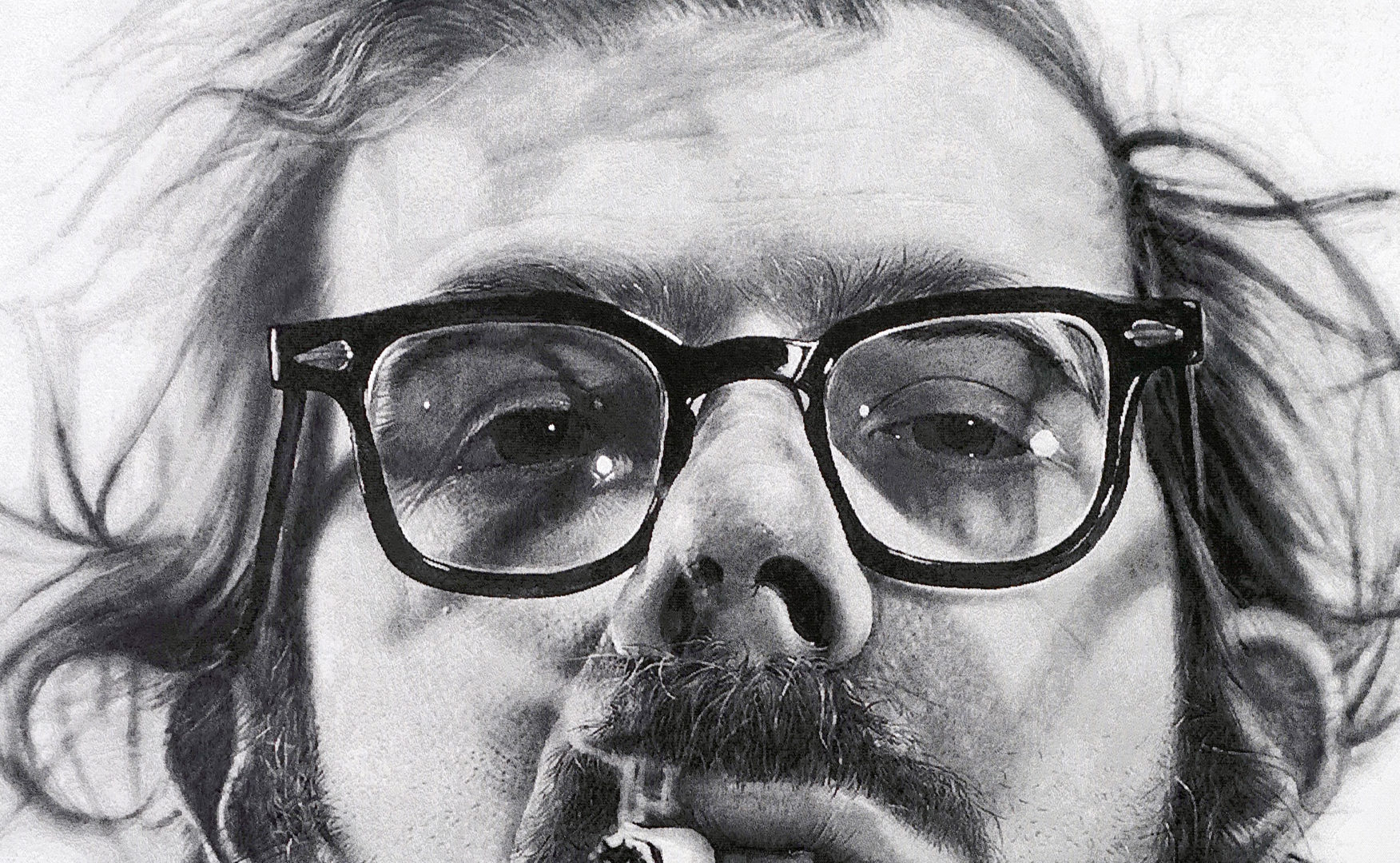
Portraits of Perception
The Human Face
The Human Face

Friday, June 12, 2009, 8:00 PM - 9:30 PM
What makes Mona Lisa's smile so intriguing? What makes Picasso's portraits so compelling? Kurt Andersen hosts artists Chuck Close and Devorah Sperber, with neuroscientists Margaret Livingstone, Chris Tyler and Ken Nakayama, as they examine the power of brain imaging technology to illuminate how we perceive the most intimate yet public of features, the human face.
Moderator
Kurt Andersen
Participants:
Kurt Andersen is the author of two novels, the critically acclaimed bestsellers Heyday and Turn of the Century. His forthcoming book is called Reset: How This Crisis Can Restore Our Values and Renew America. He is also host and co-creator of the Peabody Award-winning public radio program Studio 360, editor-at-large for Random House, a contributing editor to Vanity Fair, and writes for film, television and the stage.
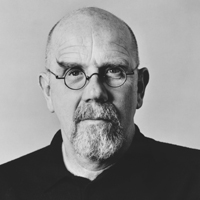
Chuck Close is a visual artist noted for his highly inventive techniques used to paint the human face, and is best known for his large-scale, photo-based portrait paintings. He is also an accomplished printmaker and photographer whose work has been the subject of more than 200 solo exhibitions in more than 20 countries, including major retrospective exhibitions at New York’s Museum of Modern Art, The Metropolitan Museum of Art, the Museo Nacional Centro de Arte Reina Sofia in Madrid and most recently at the State Hermitage Museum in St. Petersburg, Russia. He has also participated in nearly 800 group exhibitions.
A professor of neurobiology at Harvard Medical School, Dr. Livingstone is best known for her work on visual processing. Her work has led to a deeper understanding of how we see color, motion, and depth, and how these processes are involved in generating percepts of objects as distinct from their background.
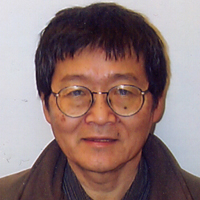
Ken Nakayama received his B.A. in Psychology from the Haverford College in 1962 and his PhD from the University of California at Los Angeles in 1967. For almost twenty years, he was at the Smith Kettlewell Eye Research Institute in San Francisco. In 1990 he moved to the Psychology Department at Harvard and is now the Edgar Pierce Professor of Psychology.
Interested in the links between art, science, and technology through the ages, New York artist Devorah Sperber's work addresses the way the brain processes visual information versus the way we think we see. "As a visual artist," she says, "I cannot think of a topic more stimulating and yet so basic than the act of seeing-how the human brain makes sense of the visual world."
Christopher Tyler spent his research career exploring the fascinating processes of how the eyes and brain work together to produce meaningful vision. His most recent work analyzes the visual perception of faces and the role of symmetry in face recognition.