Search Icon



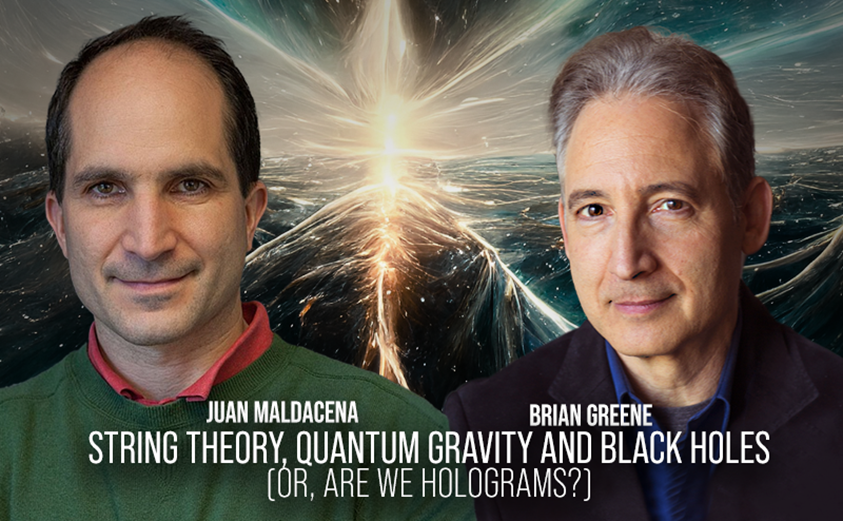
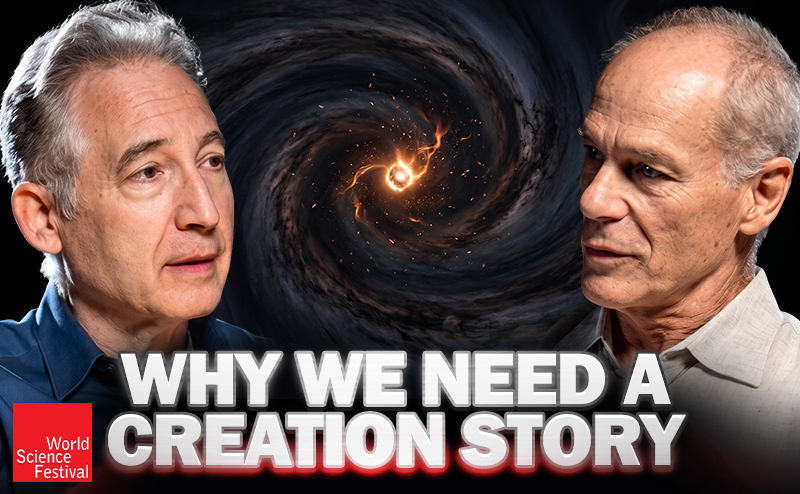
Join Brian Greene and Juan Maldacena as they explore a wealth of developments connecting black holes, string theory, quantum gravity, quantum entangelment, wormholes, and the holographic principle. This program is …
How much brain do you need to be smart? Bees and ants perform marvels as colonies, though each insect has barely any brain. And plants—with no brain at all—exhibit behaviors …
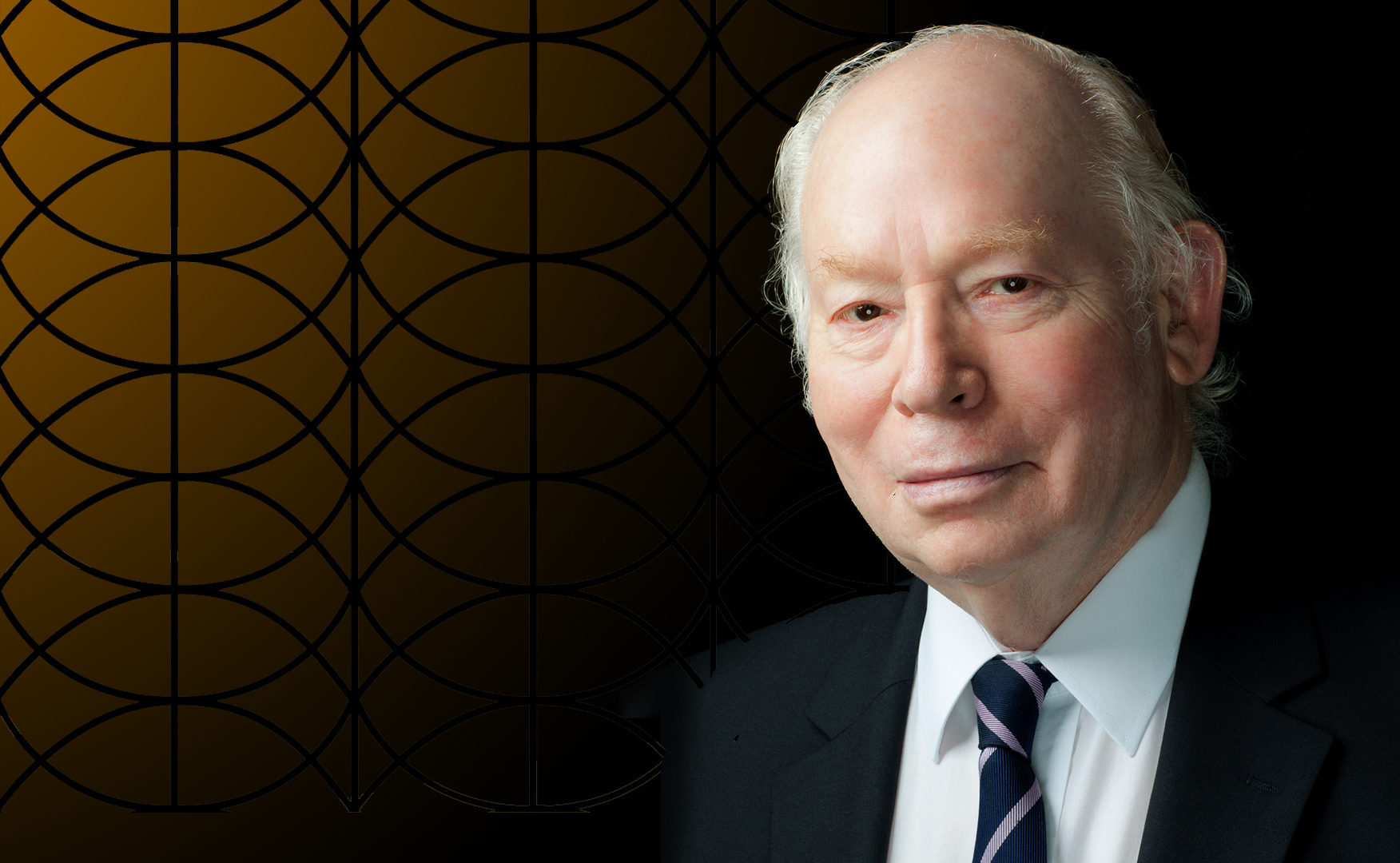
For this year’s inaugural address, “The Future of Big Science,” Nobel laureate and physicist Steven Weinberg considers the future of fundamental physics, especially as funding for basic research is reduced. Weinberg will explore physics’ small origins, starting with the discovery of the atomic nucleus 100 years ago by a single scientist.

What is color? It seems like a simple question at first, but when you think about it, the reality of what we’re seeing is a pretty complex situation. Our human eyes sift through a small piece of the vast electromagnetic spectrum and translate it into every color of the rainbow.

Today, cryptography has moved beyond the realm of dilettantes and soldiers to become a sophisticated scientific art—combining mathematics, physics, computer science, and electrical engineering. It not only protects messages, but it also safeguards our privacy. From email to banking transactions, modern cryptography is used everywhere.
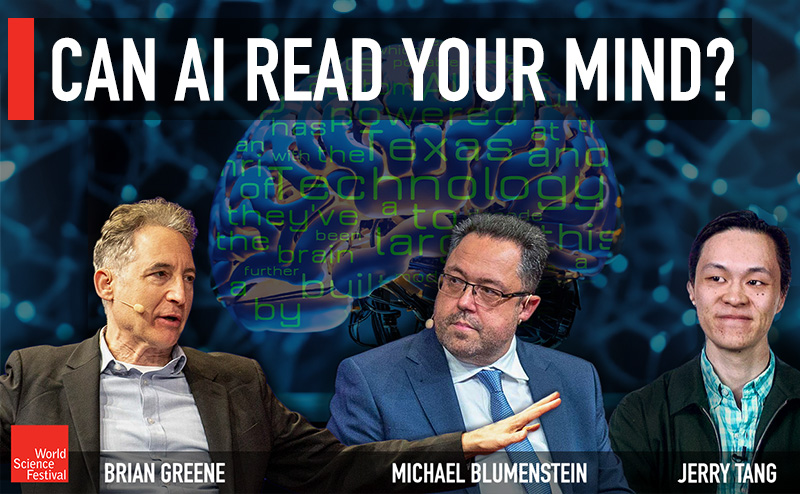
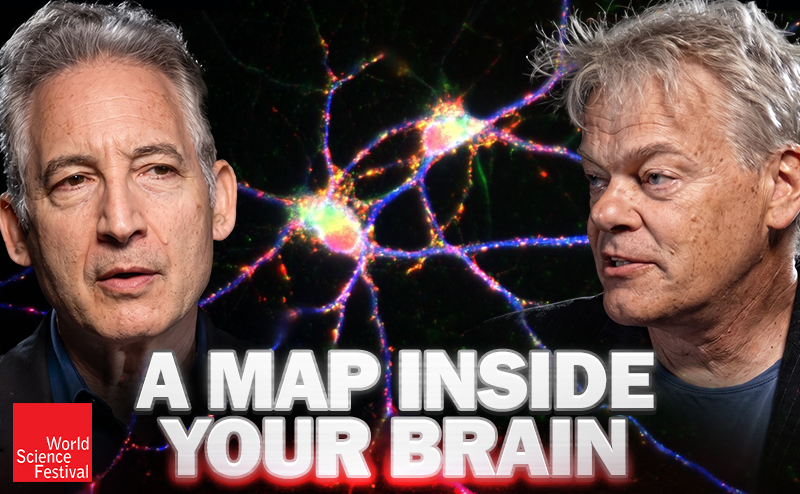
By identifying patterns in neural firings, non-invasive AI systems are learning to decode human thought and translate the result into language. Leading researchers Michael Blumenstein and Jerry Tang join Brian …