Search Icon




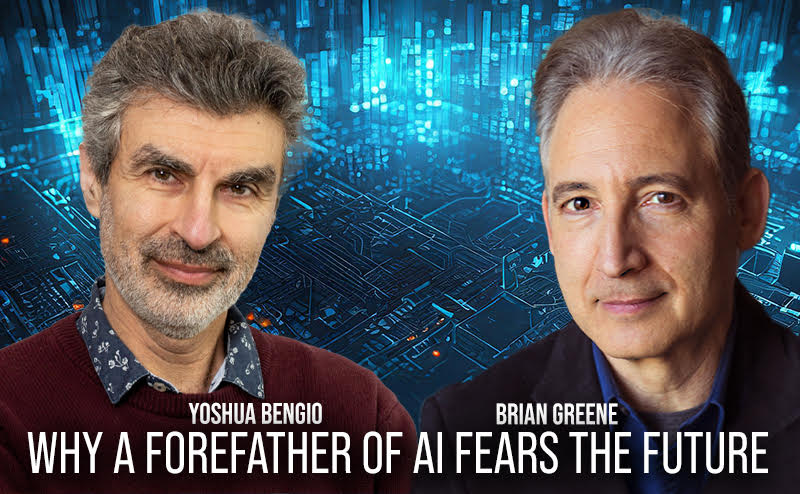
A renowned AI pioneer explores humanity’s possible futures in a world populated with ever more sophisticated mechanical minds. This program is part of the Big Ideas series, supported by the …
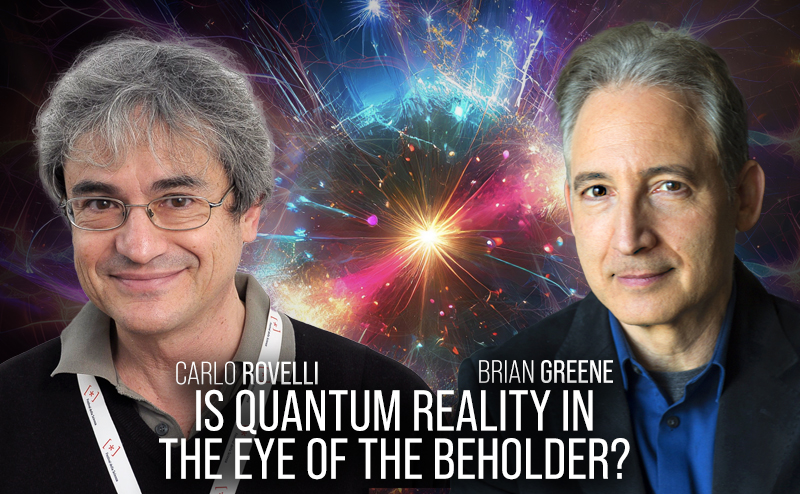
Can we address mysteries of quantum mechanics by supposing that properties of objects long considered to have an independent existence are actually determined solely in relation to other objects or …
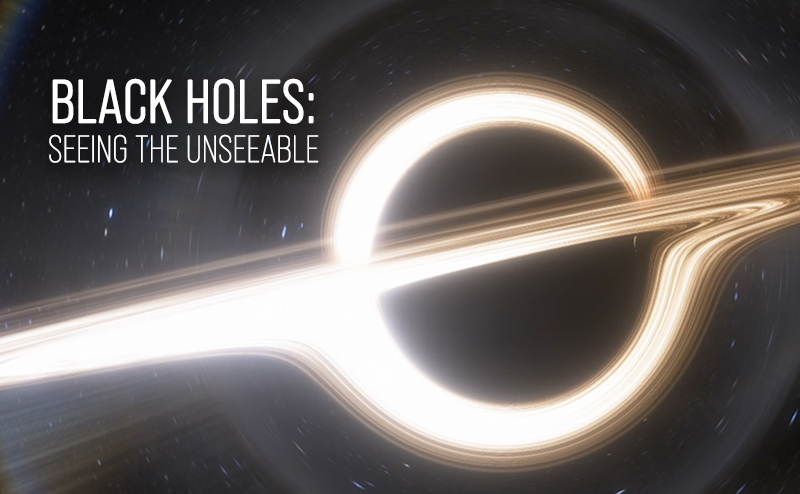
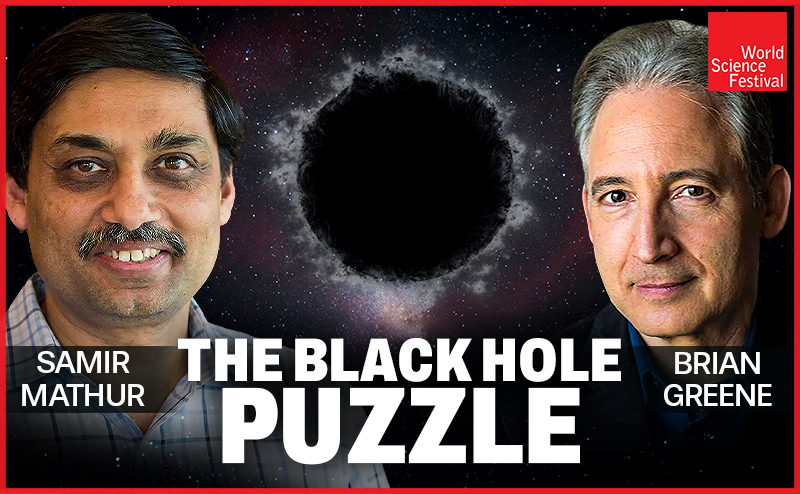
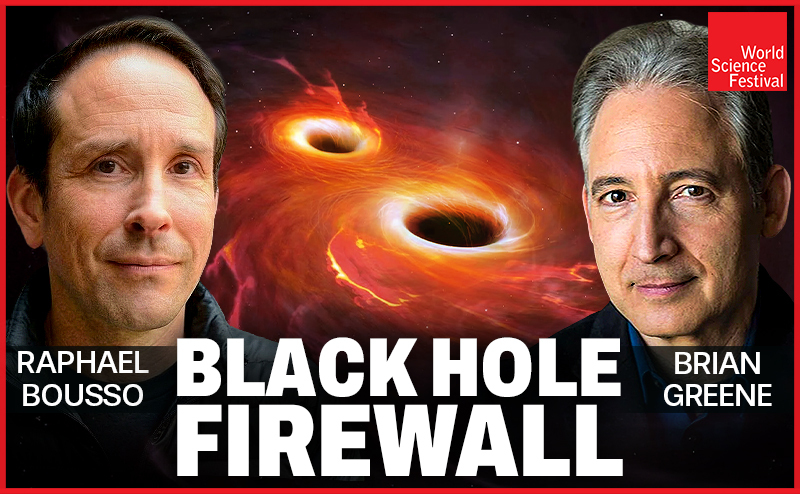
A century after Einstein’s mathematics suggested the possibility of black holes, the Event Horizon Telescope (EHT) is finally observing them. The project’s latest achievement is the first image of the …

Nowadays, the tools for tracing your family tree have advanced far beyond looking back at names in the family Bible or compiling a scrapbook of paper records. Using your genetic information to find long-lost relatives is easier and cheaper than ever before—and scientists are looking to push the technology even further by analyzing our skin and facial features.
“The infinite! No other question has ever moved so profoundly the spirit of man,” said David Hilbert, one of the most influential mathematicians of the 19th century. A subject extensively studied by philosophers, mathematicians, and more recently, physicists and cosmologists, infinity still stands as an enigma of the intellectual world.

The nature of time is an age-old conundrum for physicists, philosophers, biologists and theologians. The Newtonian picture of time—a kind of cosmic clock that ticks off time in a manner that applies identically to everyone and everything—tightly aligns with our experience. But with special and general relativity, Einstein showed the fallacy inherent in experience.