Search Icon



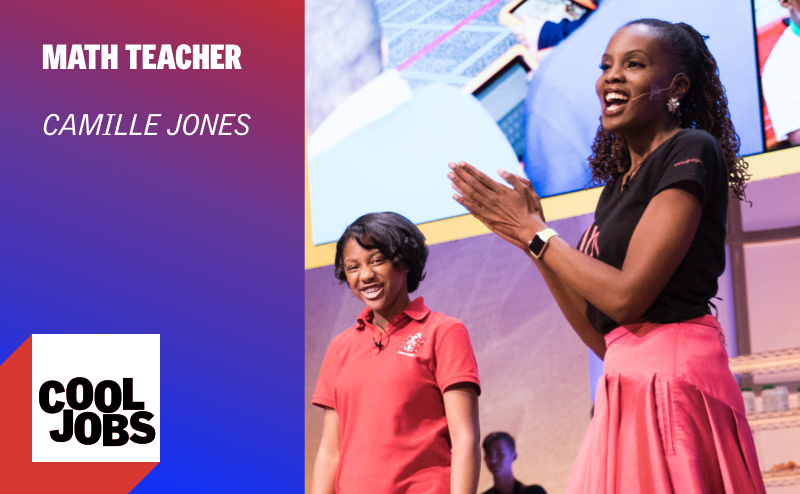
The pythagorean theorem is easy to comprehend and remember in Math teacher Camille Jones’s class when you learn through song and dance. Science teachers prepare tomorrow’s pioneering scientists. #paemst winner …
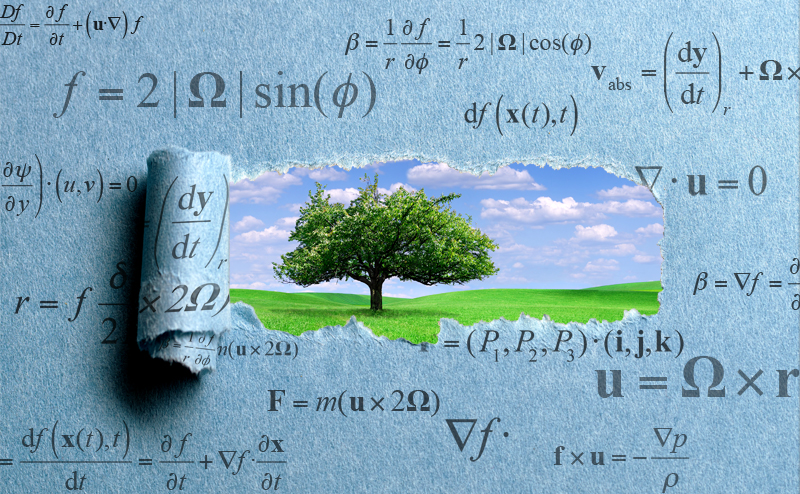
Mathematics has an uncanny ability to describe the physical world. It elegantly explains and predicts features of space, time, matter, energy and gravity. But is this magnificent scientific articulation an …
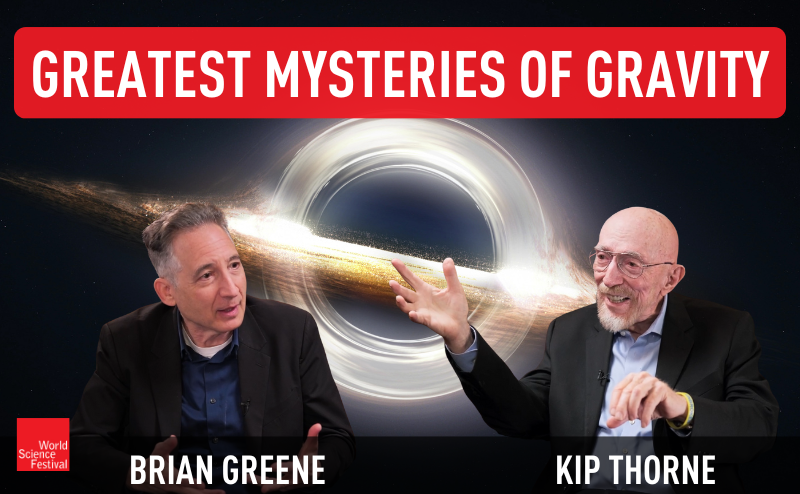
Nobel laureate Kip Thorne joins Brian Greene to trace a story that runs from the trenches of World War I to the rise of gravitational-wave astronomy—a journey that eventually carried …

The first detection of colliding black holes rocked the scientific world, establishing that gravitational waves are real and that we are able to measure them. More recently, scientists have achieved …
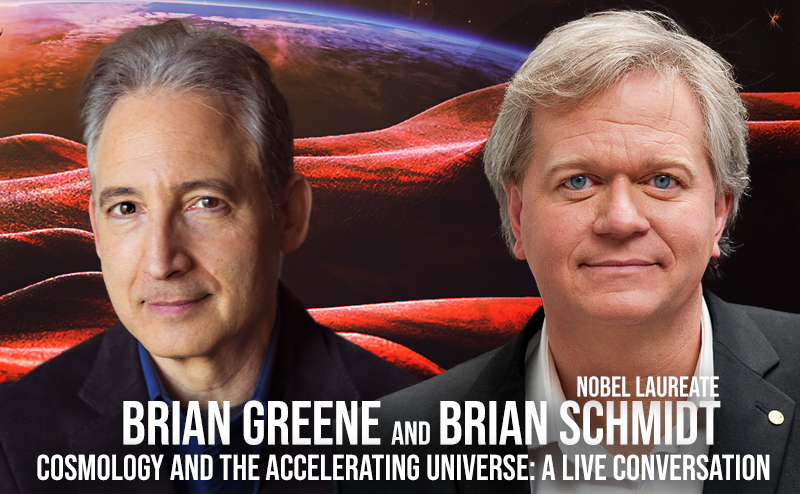
Brian Greene and Nobel Laureate Brian Schmidt engage in a wide-ranging conversation covering cosmology, the accelerating universe, and the role of science in shaping our future. This program is part …
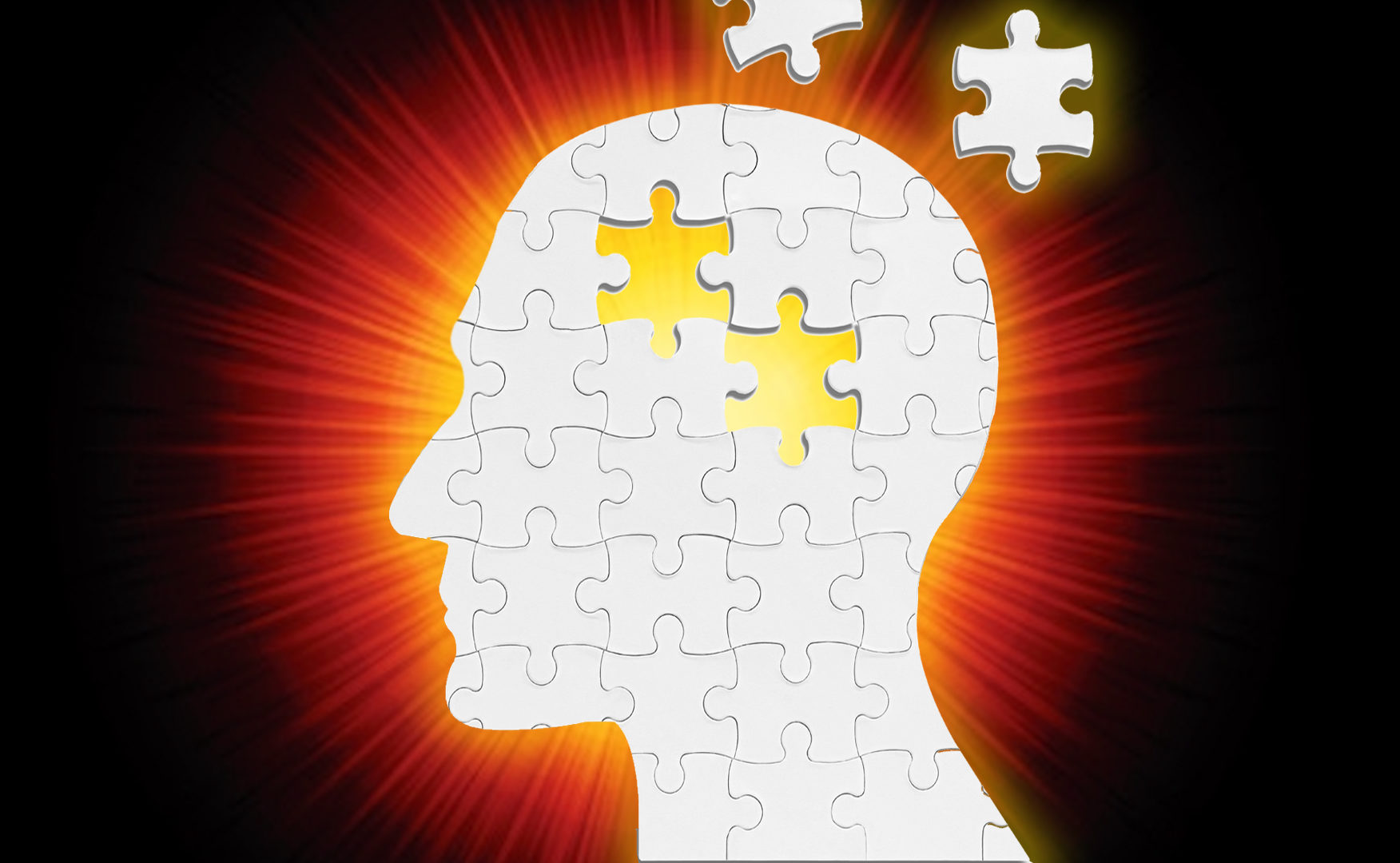
Immanuel Kant, who coined the term genius in the 1700s, defined it as the rare capacity to independently understand concepts that would normally have to be taught by another person. Since then, the spectrum of abilities that we call genius has widened, but pivotal questions remain: What exactly is genius?