Search Icon




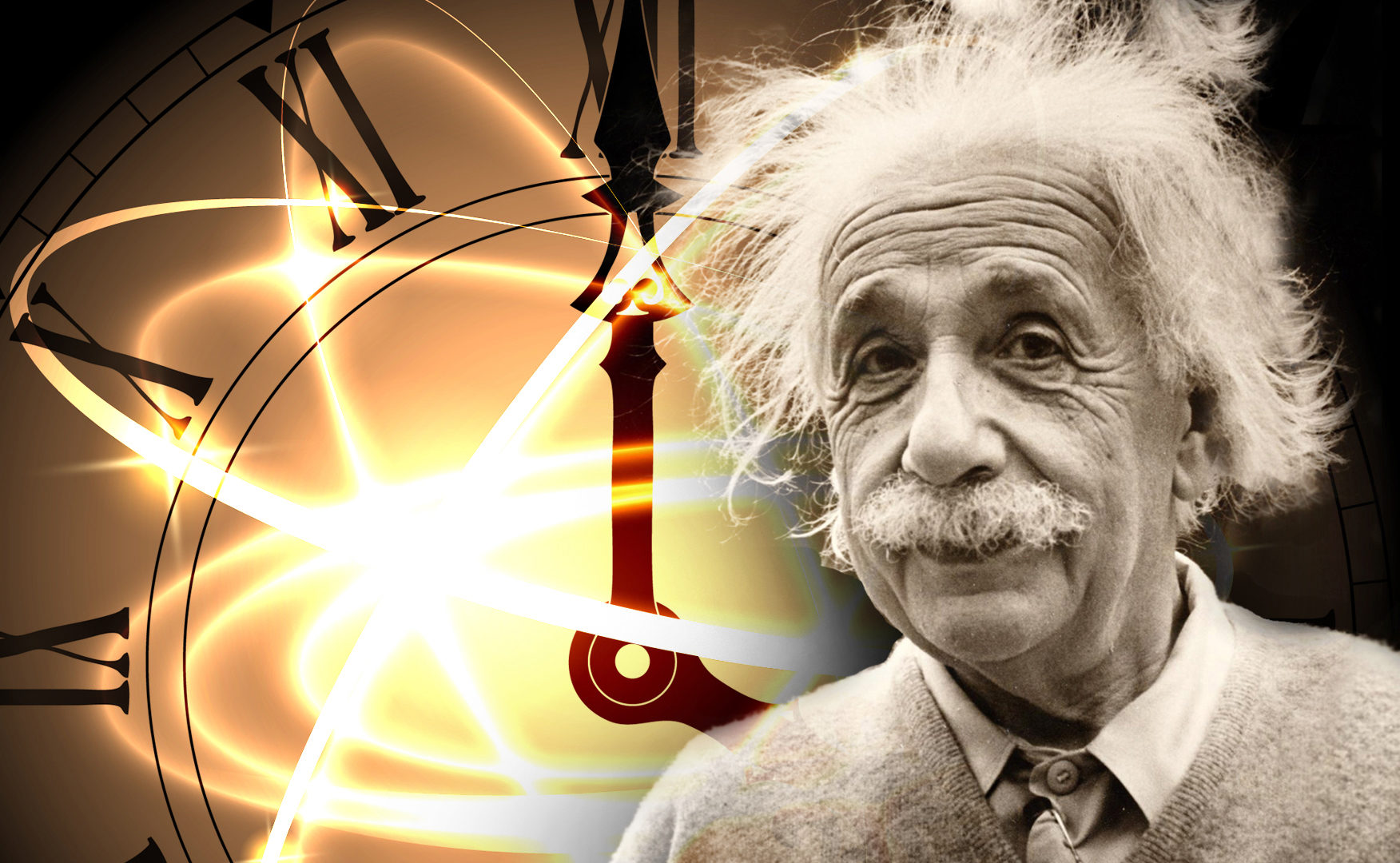
Albert Einstein shattered previous ideas about time, but left many pivotal questions unanswered: Does time have a beginning? An end? Why does it move in only one direction? Is it real, or something our minds impose on reality?

What are scientists looking for when searching for alien life? A lot, it turns out: the search for extraterrestrials requires the help from astronomers, planetary scientists, chemists, computer scientists, and geneticists, just to name a few. But are we barking up the wrong carbon-based tree?

While humanity’s past is firmly grounded on our home planet, the humans of the future may live on the moon, Mars, or interstellar ships bound for distant worlds. To prepare …
Every generation benefits from the insights and discoveries of the generations who came before. “If I have seen a little further it is by standing on the shoulders of giants,” …

Join us for #YourDailyEquation with Brian Greene. Every Mon – Fri at 3pm EDT, Brian Greene will offer brief and breezy discussions of pivotal equations. Even if your math is a …

Paralyzed patients are starting to walk with the aid of exoskeletons and doctors are testing artificial retinas in the blind thanks to neuroprosthetics: surgical brain implants that restore some function …