Search Icon




Proposed a century ago to better explain the mind-bending behavior of the smallest constituents of the universe, quantum theory has implications far beyond the atom. This rich set of laws has applications both practical and extraordinary.
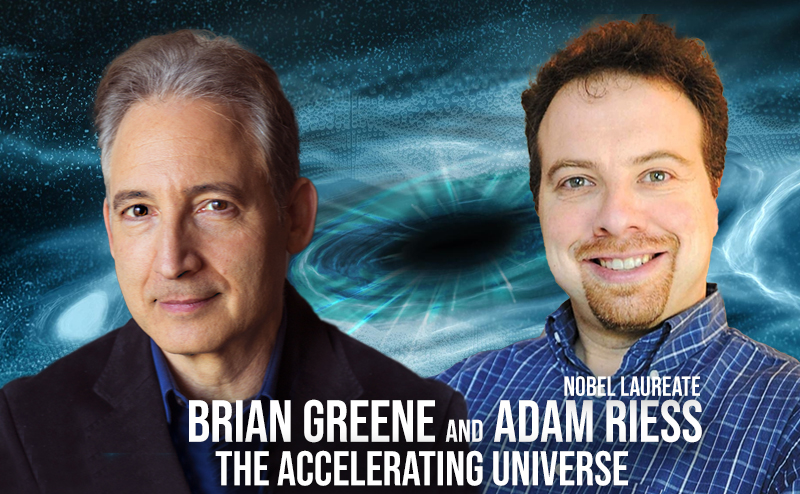
Nobel Laureate and physicist Adam Riess and Brian Greene discuss the paradigm-shattering discovery that the expansion of the universe is accelerating, the role of dark energy, and more. This program …
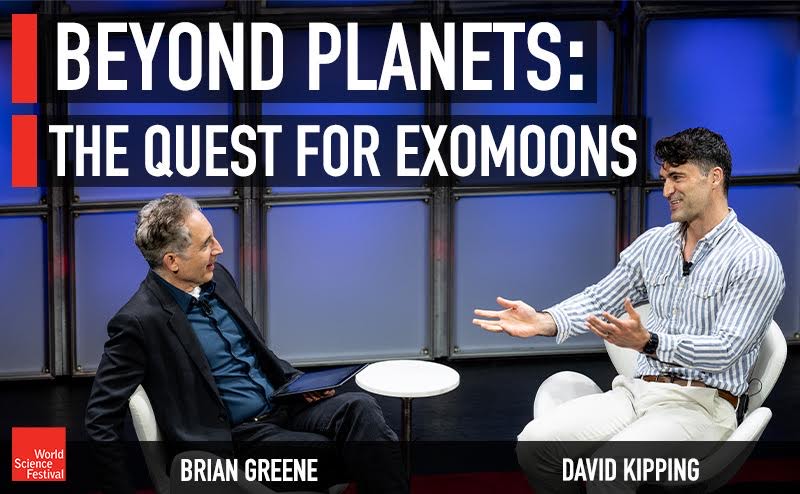
We’ve discovered thousands of exoplanets, but what about exomoons? Astronomer David Kipping joins Brian Greene to explore the ongoing search for exomoons—lesser-known, but intriguing potential habitats for life beyond Earth. …
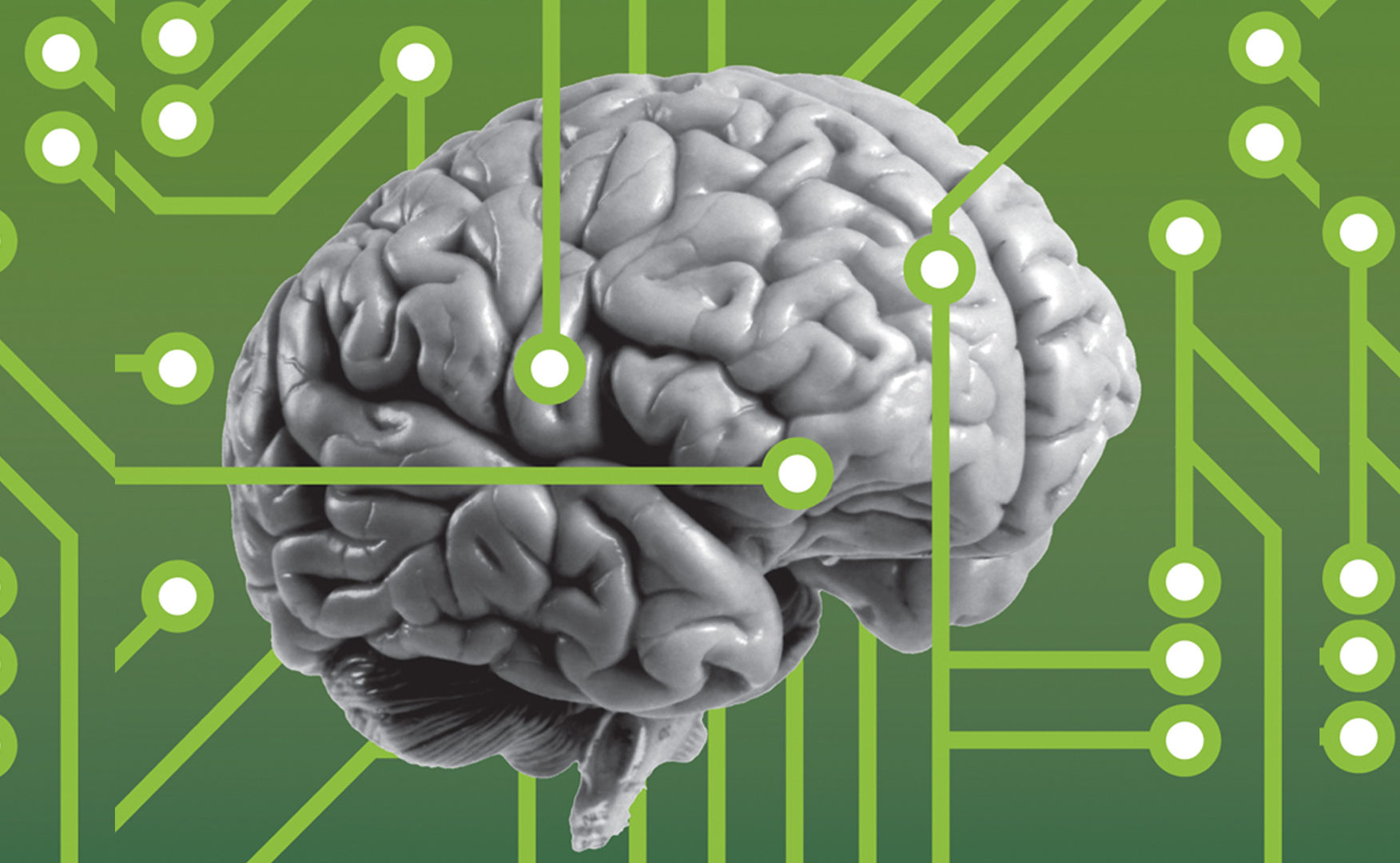
Creative thought is surely among our most precious and mysterious capabilities. But can powerful computers rival the human brain? As thinking, remembering and innovating become increasingly interwoven with technological advances, what are we capable of? What do we lose? Join Luciano Floridi, John Donoghue, Gary Small and Rosalind Picard for a thought-provoking program about thinking.
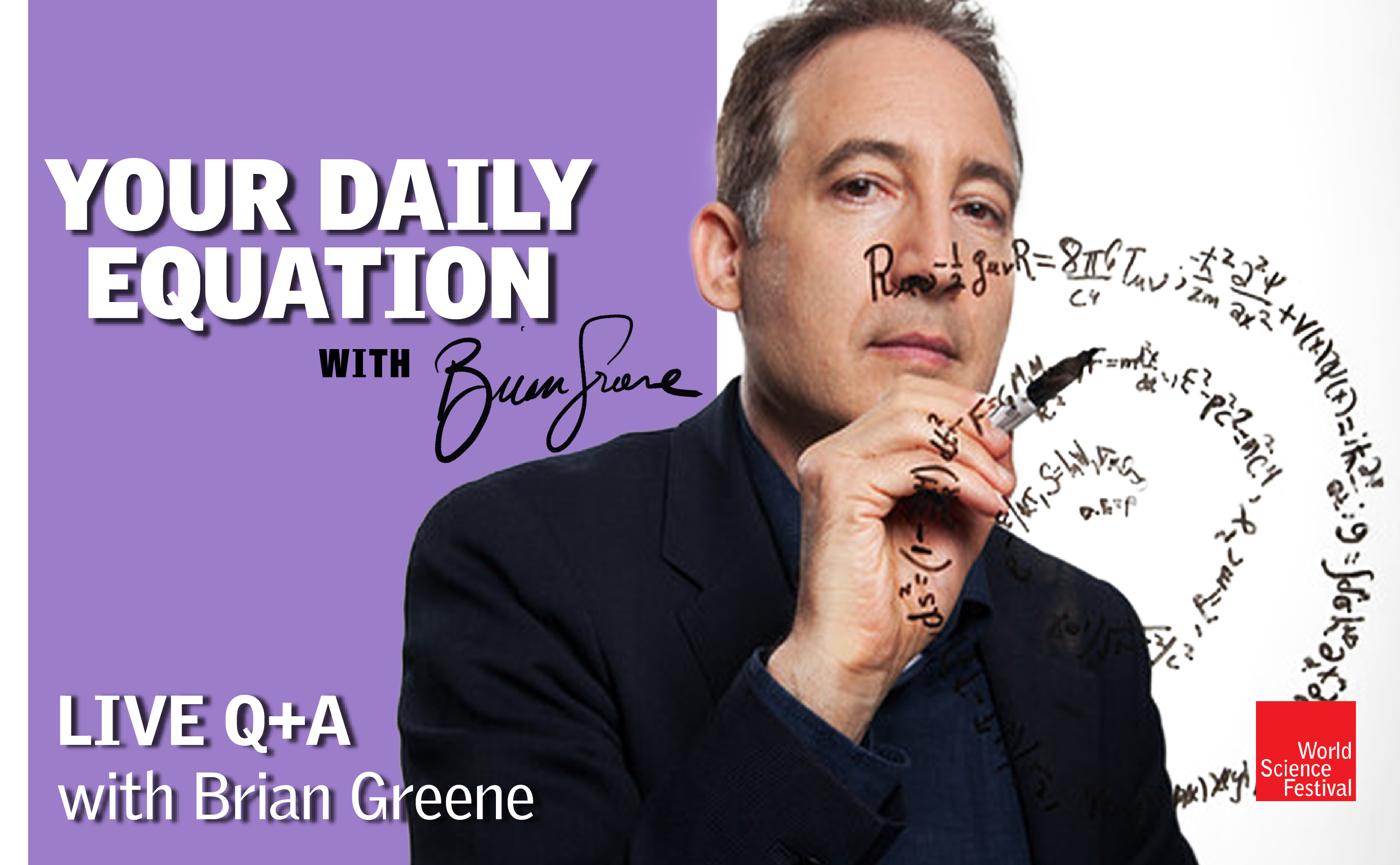
Join us for #YourDailyEquation with Brian Greene. Every Mon – Fri at 3pm EDT, Brian Greene will offer brief and breezy discussions of pivotal equations. Even if your math is a …
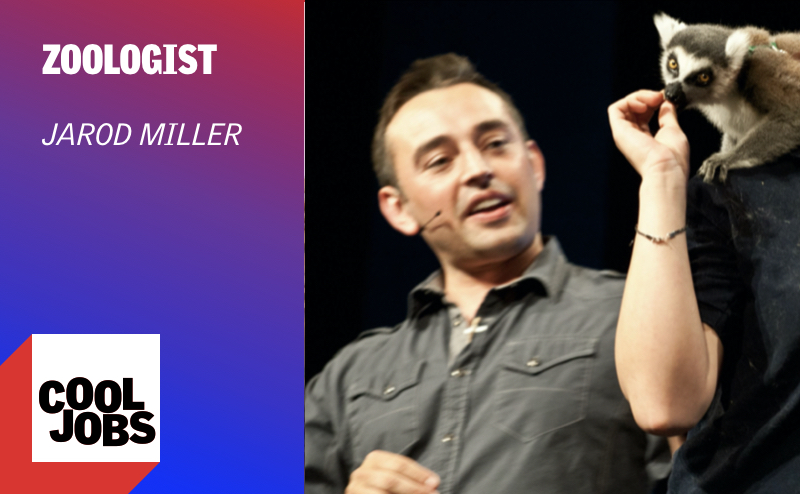
Zoologist Jarod Miller has traveled the world and encountered countless members of the animal kingdom. Meet a fennec fox, a kinkajou, and a lemur and learn about the special traits …