Search Icon





As a discipline, science aspires to be an evidence-based, non-partisan tool for revealing truth. But science is carried out by scientists, human beings like the rest of us, subject to …
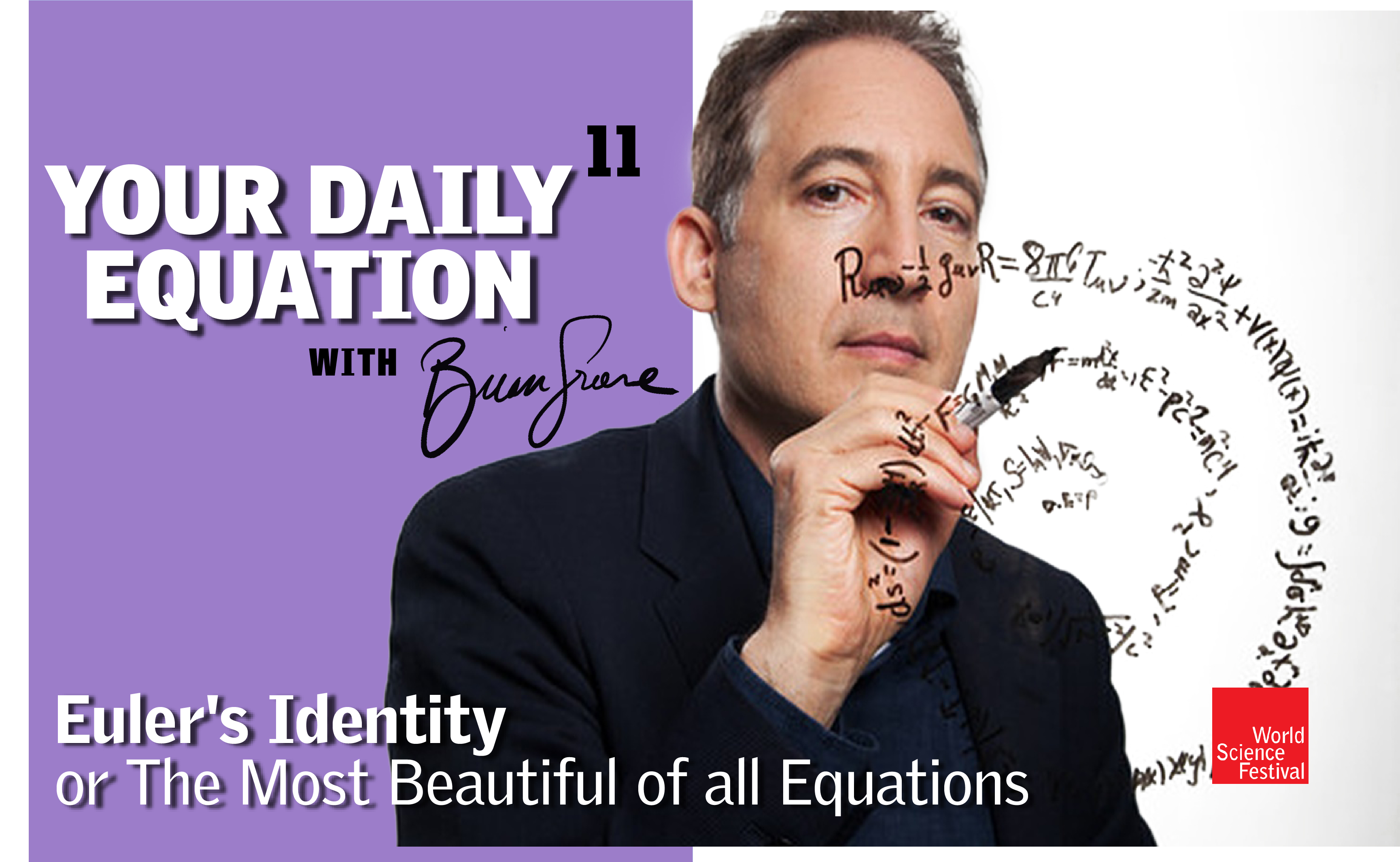
#YourDailyEquation with Brian Greene offers brief and breezy discussions of the most pivotal equations of the ages. Even if your math is a bit rusty, these accessible and exciting stories …

Not long ago, the idea of a computer beating a human at chess was the stuff of science fiction. But some of the most creative programmers of the 1980s and 90s were determined to make it a reality. And they did.
Why are we drawn to symmetry? Because it provides order in a seemingly chaotic world? Because our brains are the product of the very same laws that yield the flower, the snowflake and the solar system?

What we touch. What we smell. What we feel. They’re all part of our reality. But what if life as we know it reflects only one side of the full story? Some of the world’s leading physicists think that this may be the case.
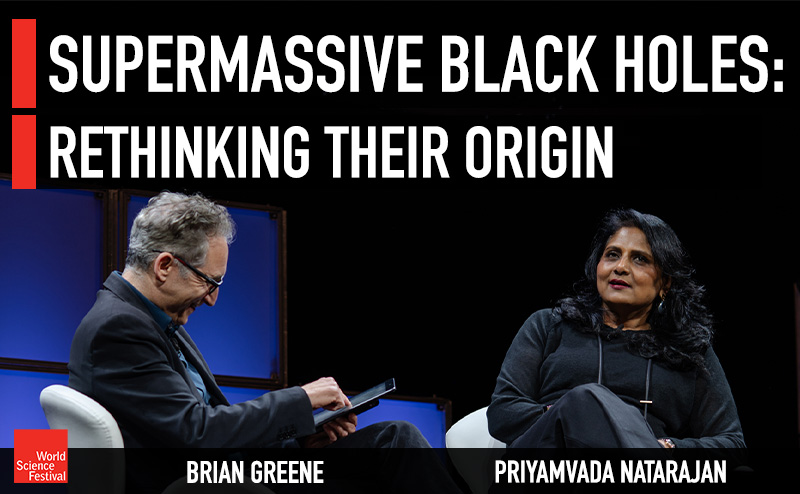
The mechanism of collapsing stars falls short of explaining the existence of supermassive black holes—giants that weigh millions or even billions of times the mass of the Sun. Astrophysicist Priya …