Search Icon




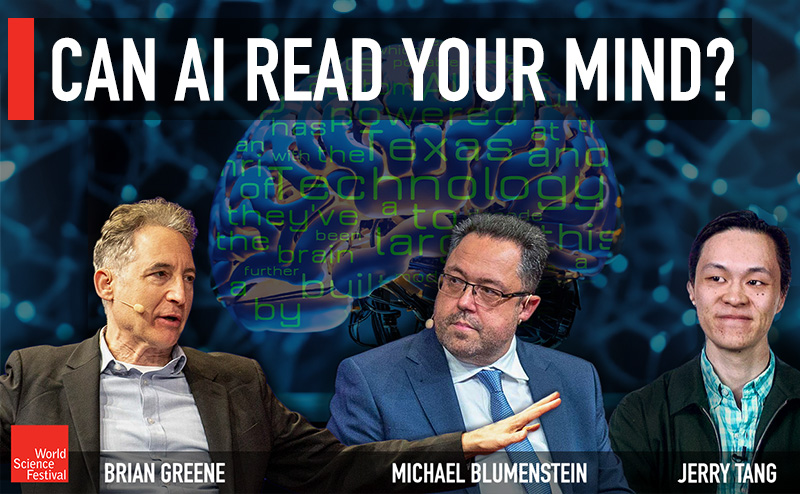
By identifying patterns in neural firings, non-invasive AI systems are learning to decode human thought and translate the result into language. Leading researchers Michael Blumenstein and Jerry Tang join Brian …

Nobel laureate Kip Thorne joins Brian Greene to trace a story that runs from the trenches of World War I to the rise of gravitational-wave astronomy—a journey that eventually carried …

Richard Davidson, Karen Armstrong, and Kate Stockly, join Brian Greene to discuss the psychological and physiological impacts of sacred experiences, and how technology may make such experiences more readily available. …
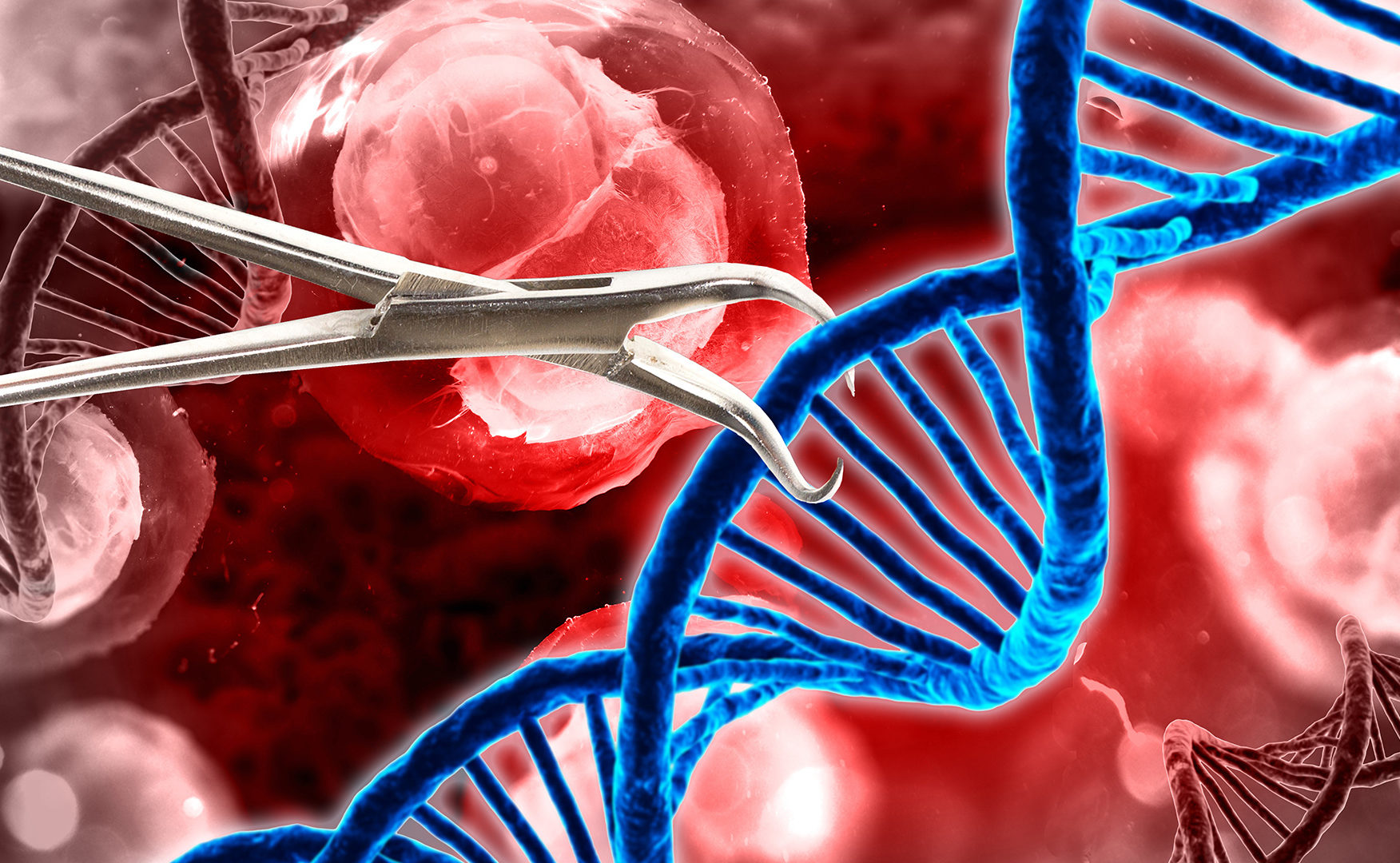
CRISPR: It’s the powerful gene editing technology transforming biomedical research. Fast, cheap and easy to use, it allows scientists to rewrite the DNA in just about any organism—including humans—with tests on human embryos already underway.

Car accidents. Suicide bombers. Earthquakes. Death of a spouse. Why do some people bounce back from traumatic events while others do not? Is there a biological profile of resiliency?
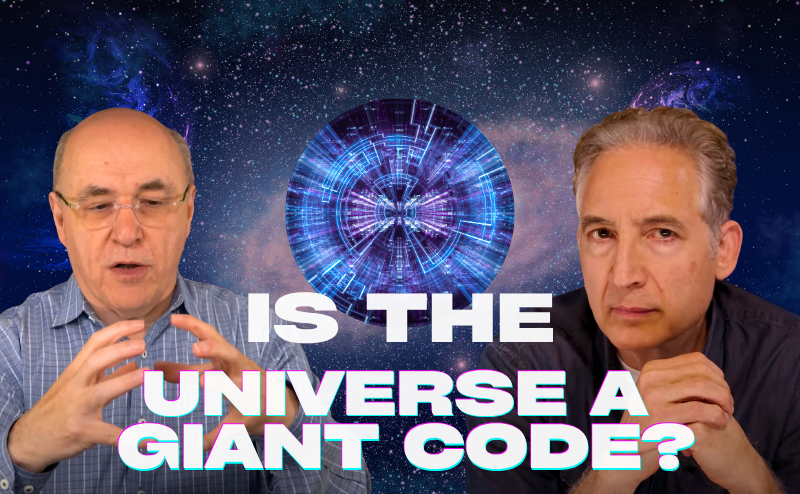
Stephen Wolfram joins Brian Greene to explore the computational basis of space, time, general relativity, quantum mechanics, and reality itself. This program is part of the Big Ideas series, supported …