Search Icon



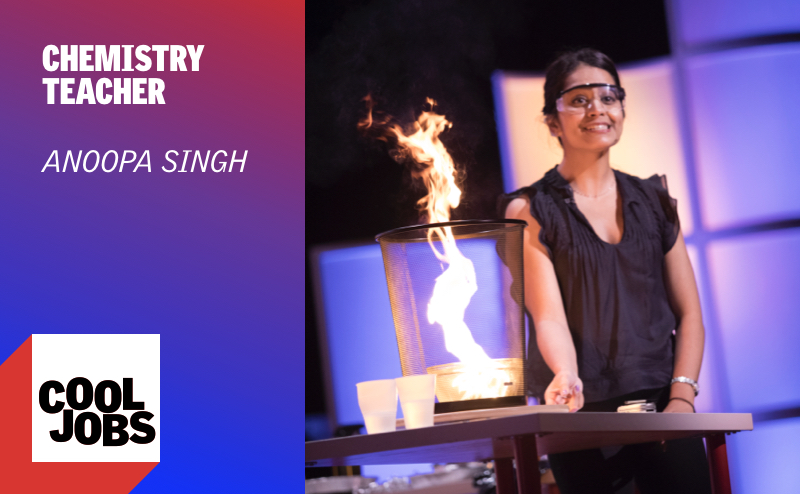
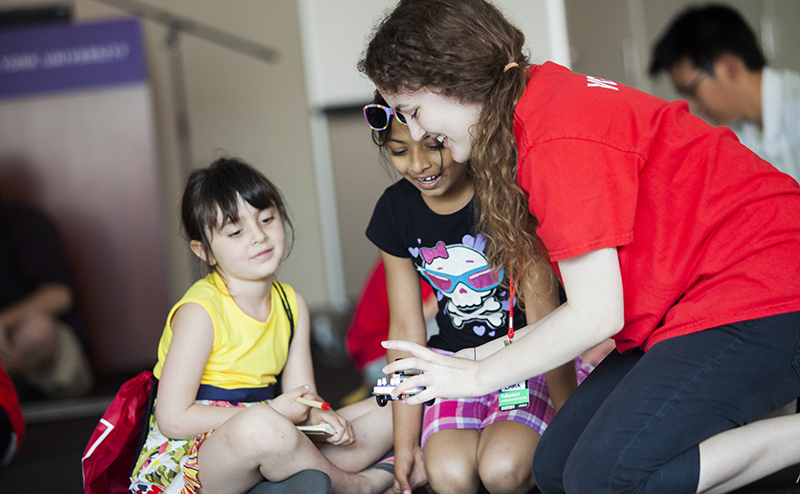
Fire tornadoes and color changing liquids are all part of what keeps Annopa Singh’s chemistry class engaged. Science teachers prepare tomorrow’s pioneering scientists. Episode filmed live at the 2017 World …
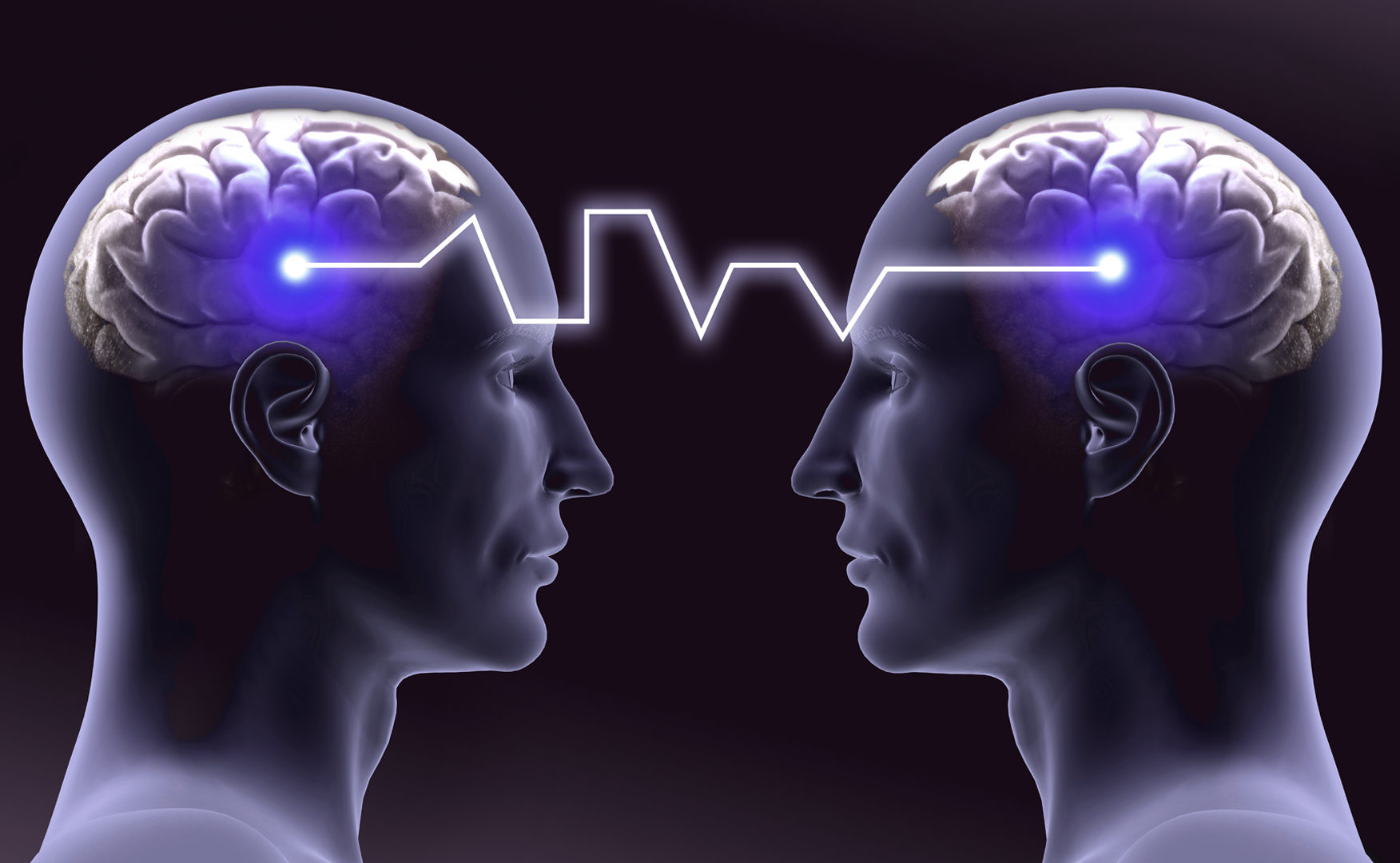
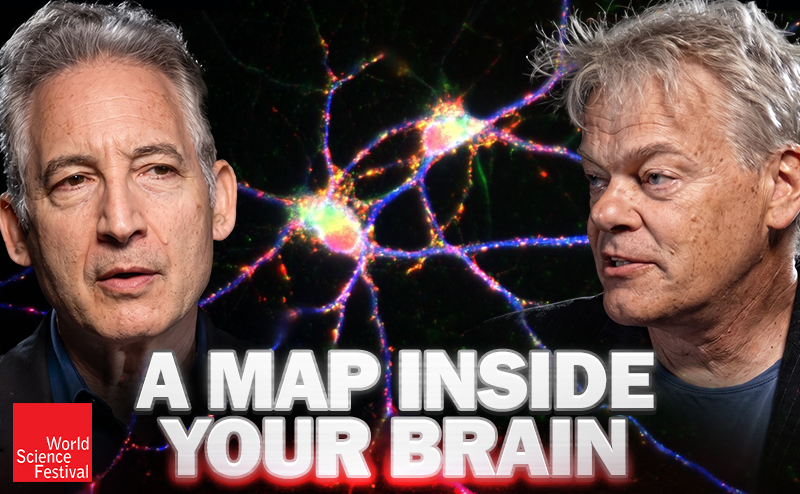
Music students download the technique of their favorite pianist or singer directly into their brains. Medical students download the skills of a seasoned surgeon or diagnostician. And each one of us routinely uploads our thoughts and memories to the digital cloud.
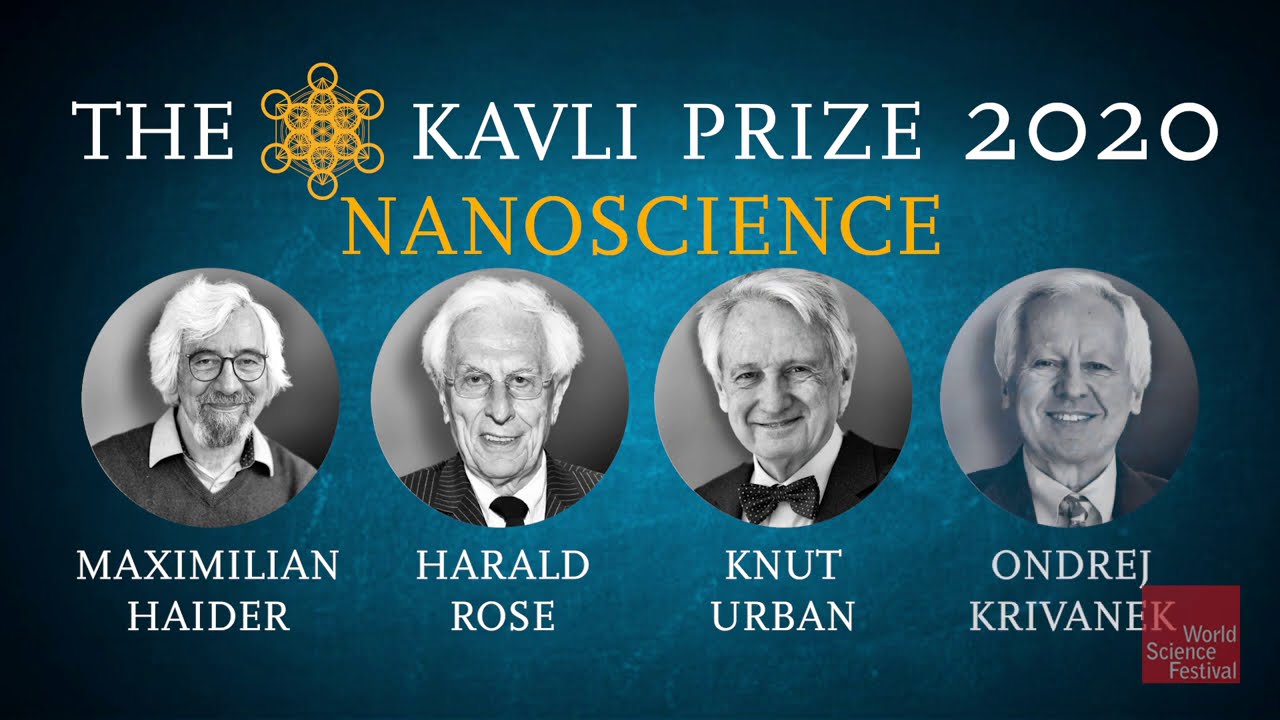
The first electron microscopes enabled scientists to finally view the nanoworld. But because of limitations in the microscope’s lenses, achieving sharp images of individual atoms was not possible. For 60 …
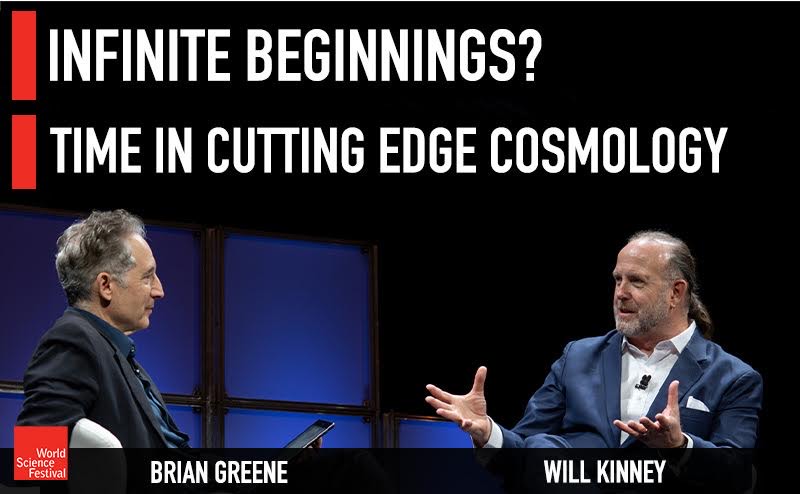
Will Kinney joins Brian Greene to explore whether leading-edge cosmological theories can avoid a beginning to time. This program is part of the Big Ideas series, supported by the John …
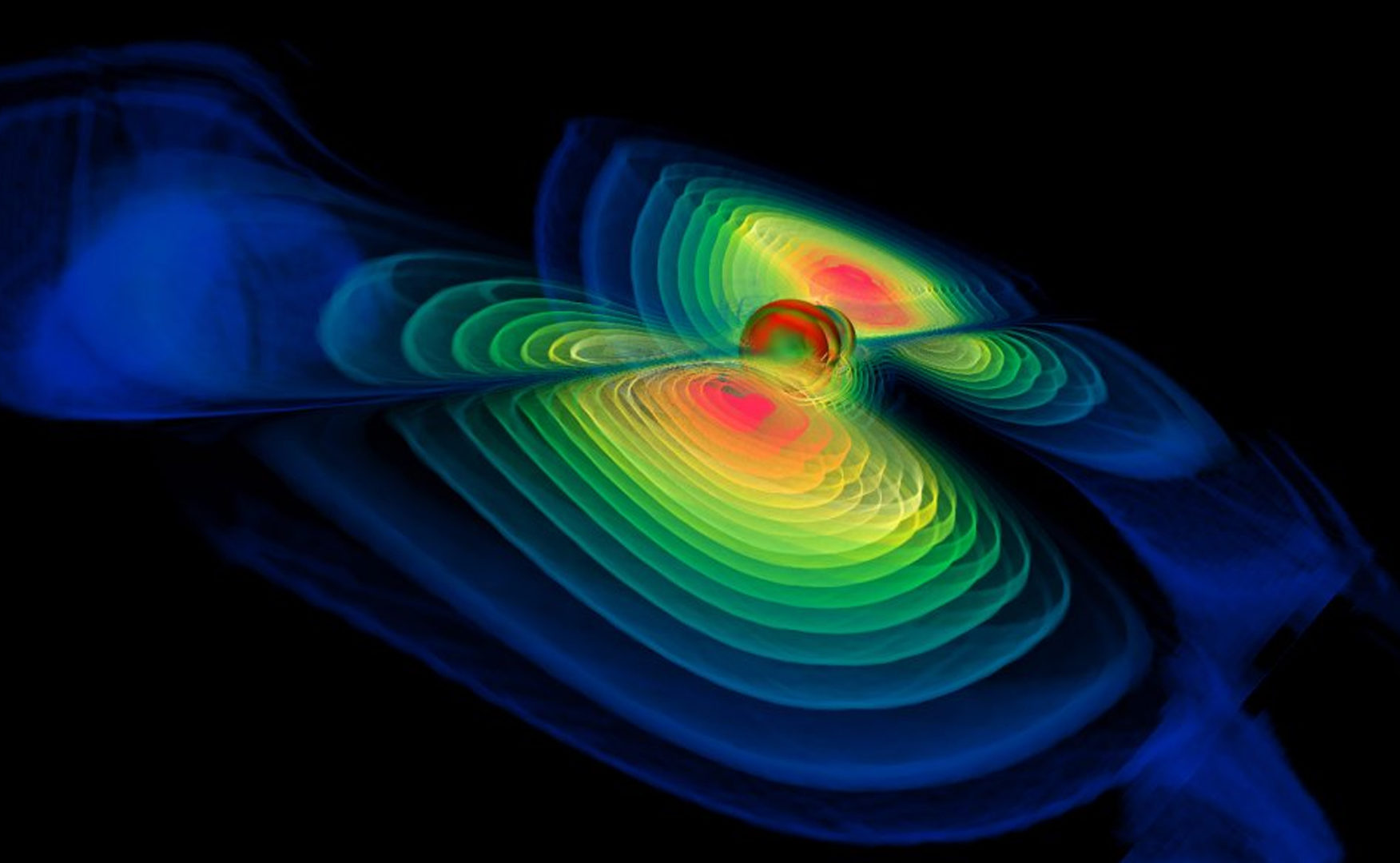
Marcia Bartusiak joins Kip Thorne, Laura Danly and Rainer Weiss to demonstrate how two observatories on opposite sides of the country, called LIGO (Laser Interferometer Gravitational-wave Observatory), may open a new window on observing the cosmos—one based not in light but in gravity.
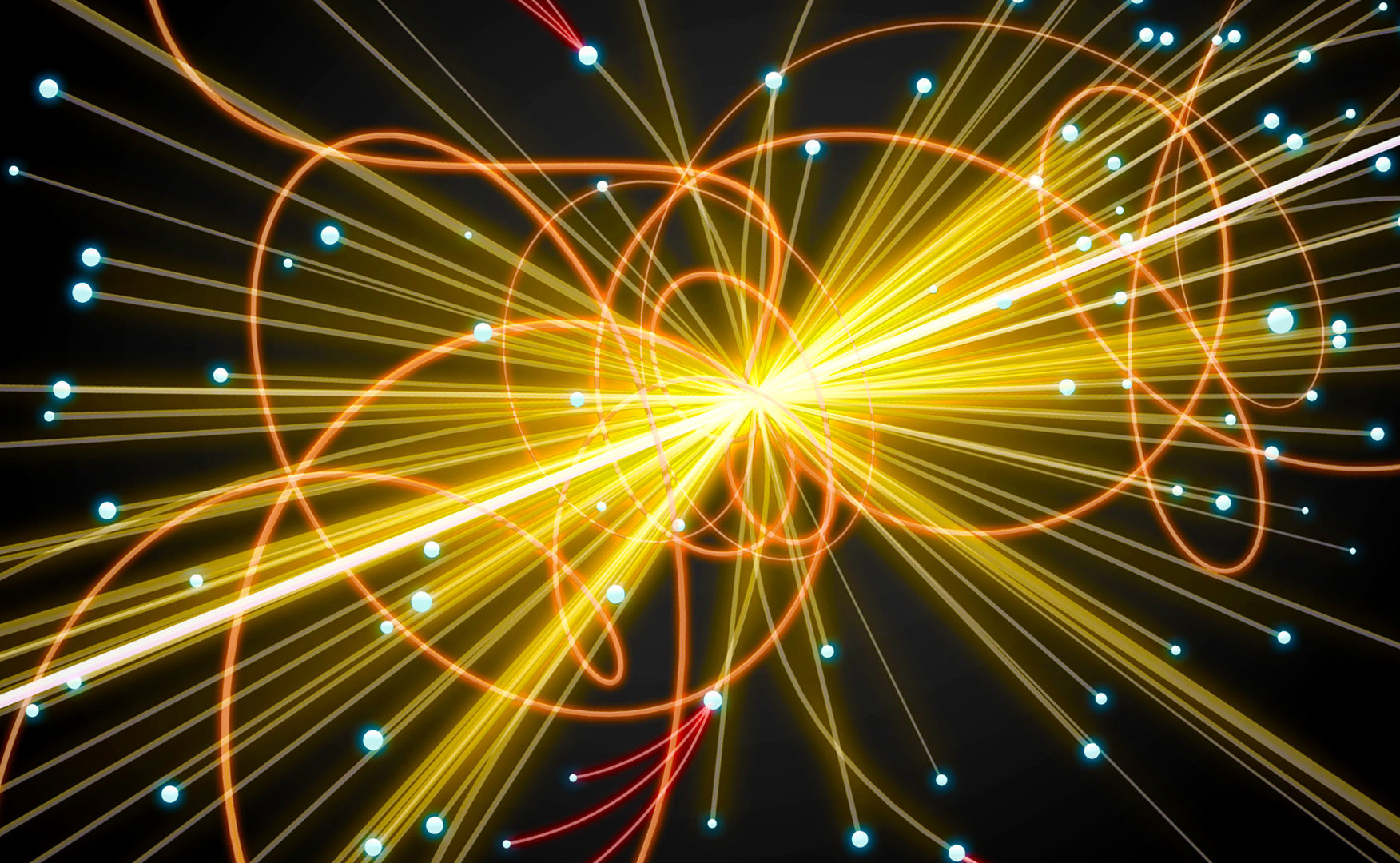
Come venture deep inside the world’s biggest physics machine, the Large Hadron Collider. This extraordinary feat of human engineering took 16 years and $10 billion to build, and just weeks ago began colliding particles at energies unseen since a fraction of a second after the big bang.