Search Icon





How much brain do you need to be smart? Bees and ants perform marvels as colonies, though each insect has barely any brain. And plants—with no brain at all—exhibit behaviors …
By 2050, there will be nine billion people on the planet. CRISPR, the revolutionary gene editing technology, could help usher in the next Green Revolution, allowing us to feed our …

Are there limits to the human lifespan? Is it possible to stop the process of aging? On average, humans now live far longer than at any point in our history …
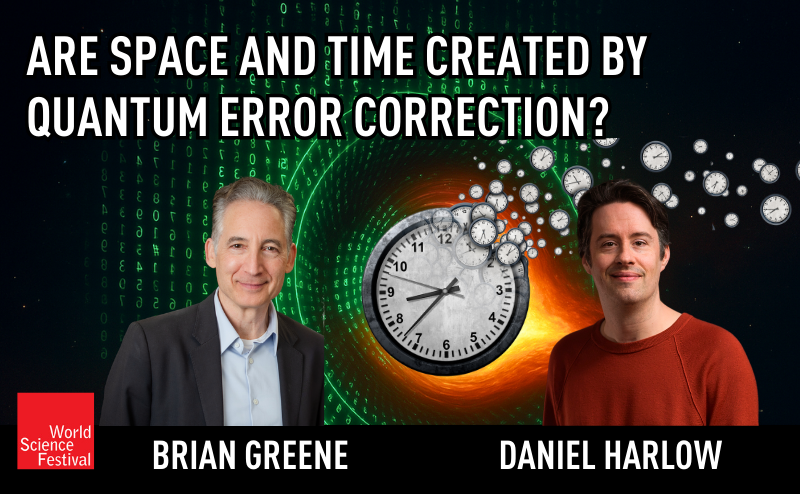
MIT physicist Daniel Harlow joins Brian Greene to explore black holes, holography, and the surprising connection between spacetime and algorithms that perform quantum error correction. This program is part of …
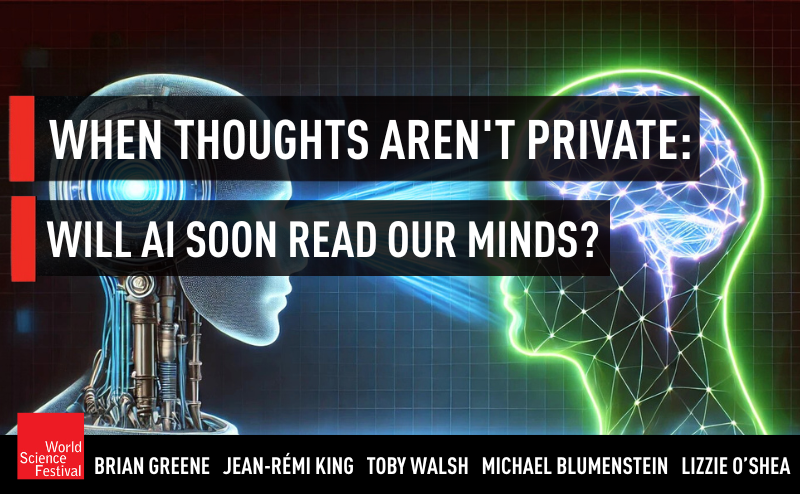
Leading researchers join Brian Greene to explore how AI is pushing mind reading technologies rapidly forward. This program is part of the Big Ideas series, supported by the John Templeton …
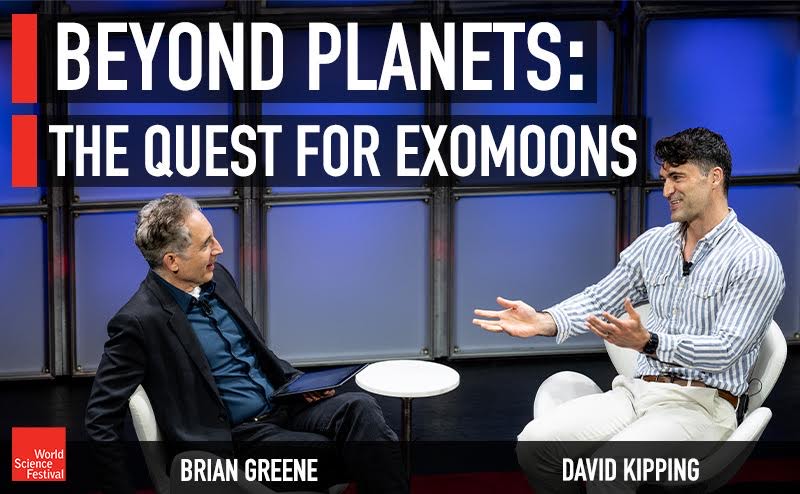
We’ve discovered thousands of exoplanets, but what about exomoons? Astronomer David Kipping joins Brian Greene to explore the ongoing search for exomoons—lesser-known, but intriguing potential habitats for life beyond Earth. …