Search Icon





Join us for #YourDailyEquation with Brian Greene. Every Mon – Fri at 3pm EDT, Brian Greene will offer brief and breezy discussions of pivotal equations. Even if your math is a …
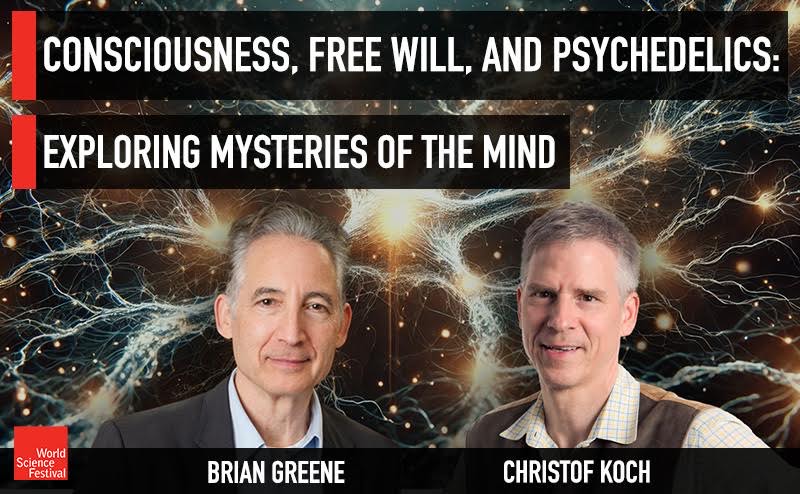
World renowned neurophysiologist and computational neuroscientist Christof Koch joins Brian Greene to discuss how decades of experimental and theoretical investigation have shaped his understanding of consciousness and the brain — …

“Move fast and break things,” went the Silicon Valley rallying cry, and for a long time, we cheered along. Big Tech, in its infancy, spouted noble goals of bringing us …
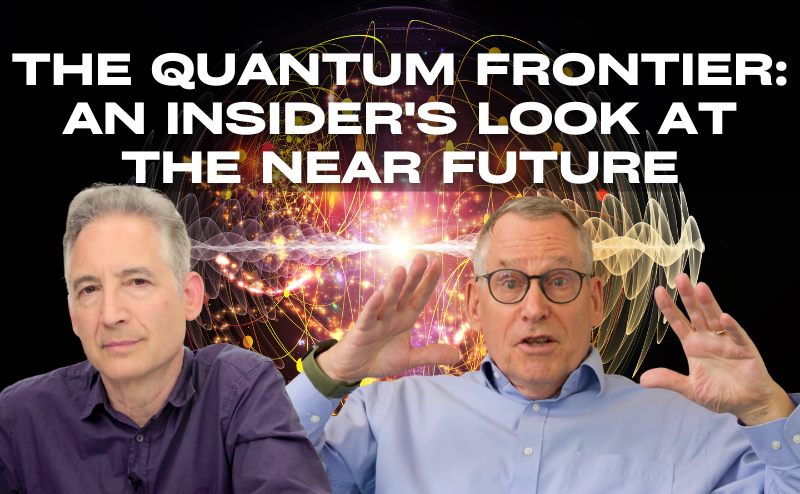
Renowned Caltech physicist John Preskill joins Brian Greene for an in-depth discussion of quantum mechanics, focusing on where we are and where we’re headed with quantum computing. This program is …

Without dark matter and dark energy, the equations of physics don’t match what we observe in the cosmos. But what if it’s not the universe that needs extra ingredients—but the …
A new generation of technology is revolutionizing neuroscience, allowing a closer study of the brain than had ever seemed possible. The techniques are hybrids of optics, genetics, and synthetic biology …