Search Icon



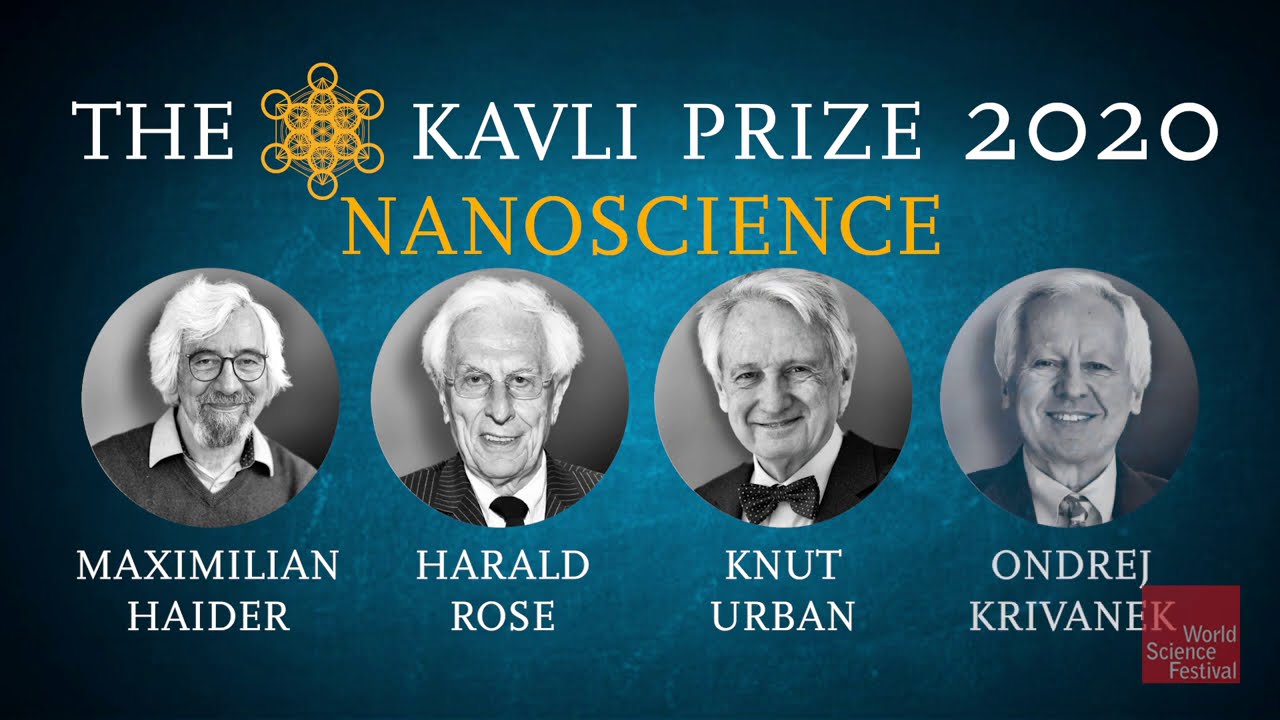
The first electron microscopes enabled scientists to finally view the nanoworld. But because of limitations in the microscope’s lenses, achieving sharp images of individual atoms was not possible. For 60 …
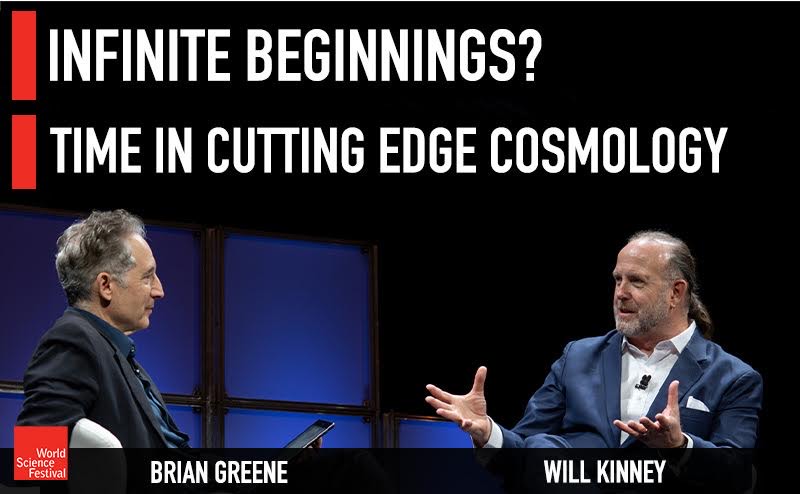
Will Kinney joins Brian Greene to explore whether leading-edge cosmological theories can avoid a beginning to time. This program is part of the Big Ideas series, supported by the John …
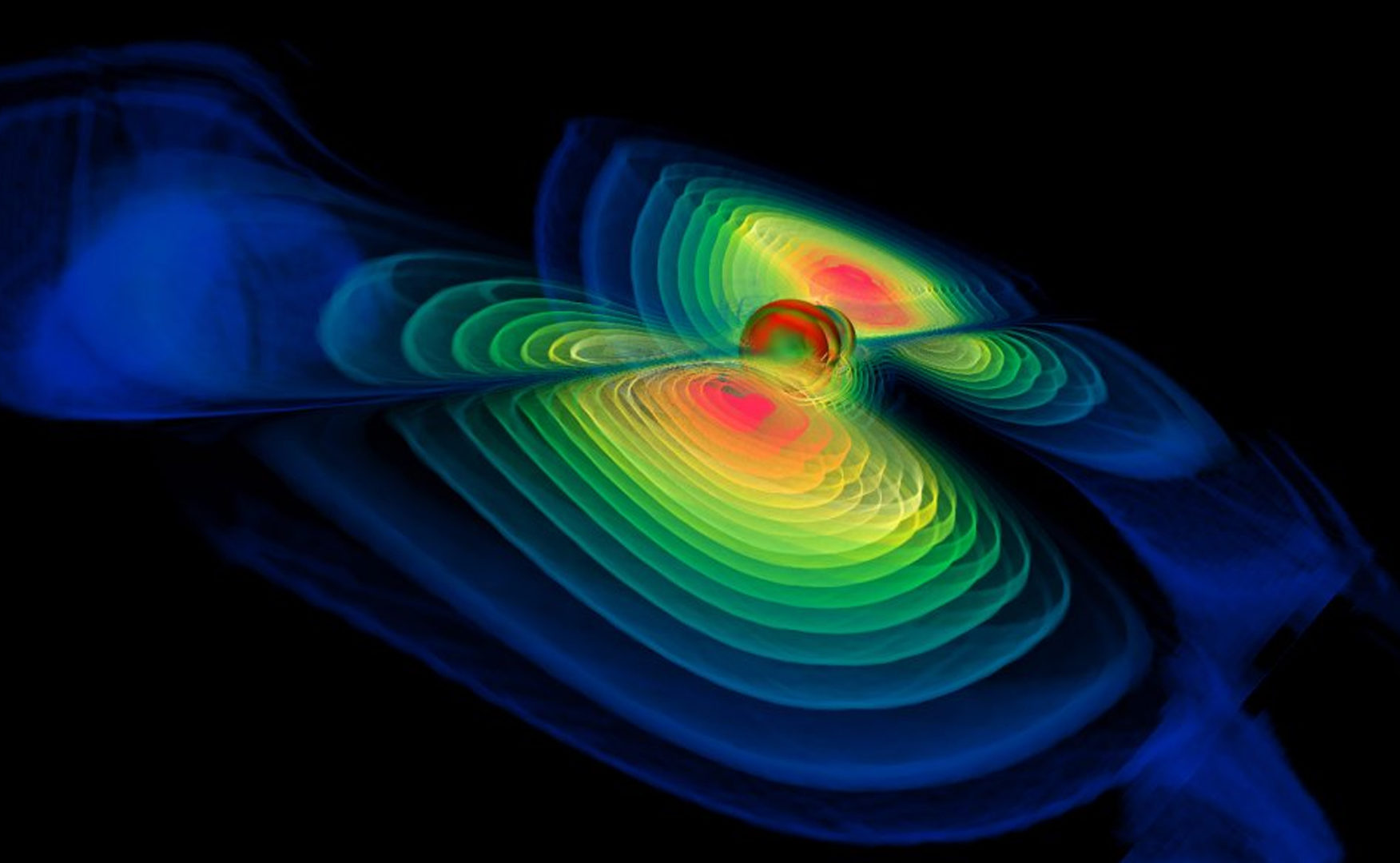
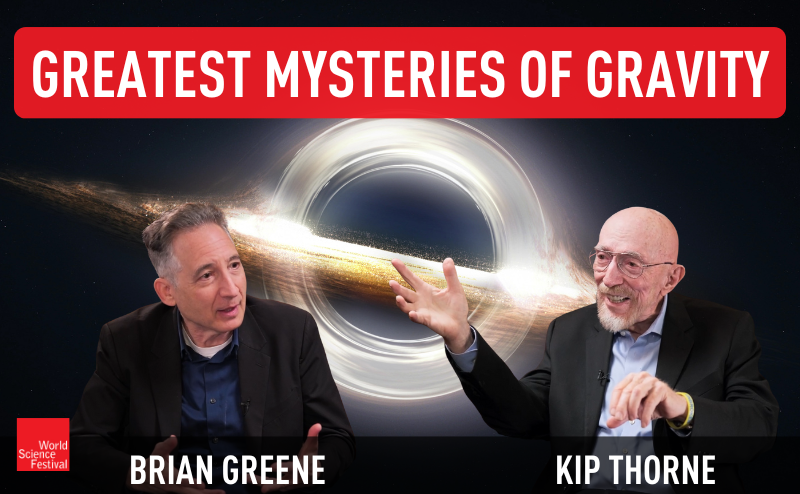
Marcia Bartusiak joins Kip Thorne, Laura Danly and Rainer Weiss to demonstrate how two observatories on opposite sides of the country, called LIGO (Laser Interferometer Gravitational-wave Observatory), may open a new window on observing the cosmos—one based not in light but in gravity.
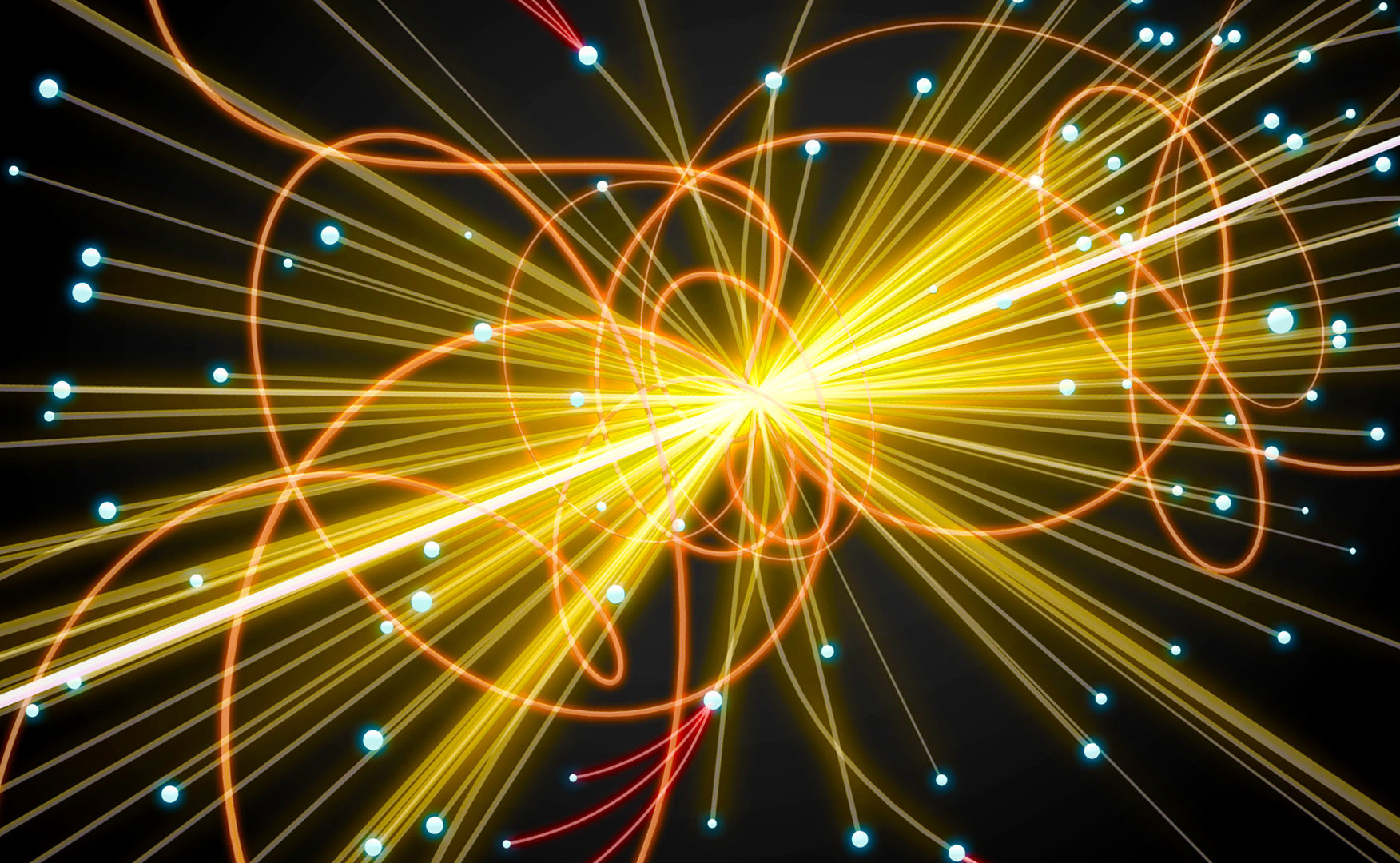
Come venture deep inside the world’s biggest physics machine, the Large Hadron Collider. This extraordinary feat of human engineering took 16 years and $10 billion to build, and just weeks ago began colliding particles at energies unseen since a fraction of a second after the big bang.
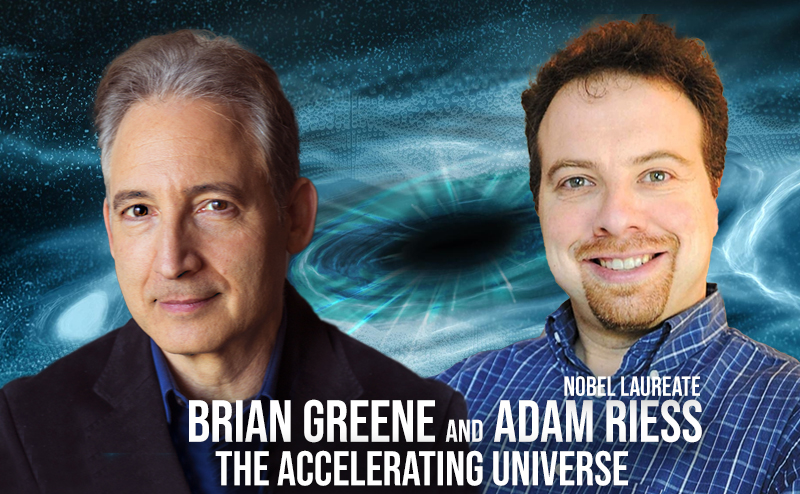
Nobel Laureate and physicist Adam Riess and Brian Greene discuss the paradigm-shattering discovery that the expansion of the universe is accelerating, the role of dark energy, and more. This program …
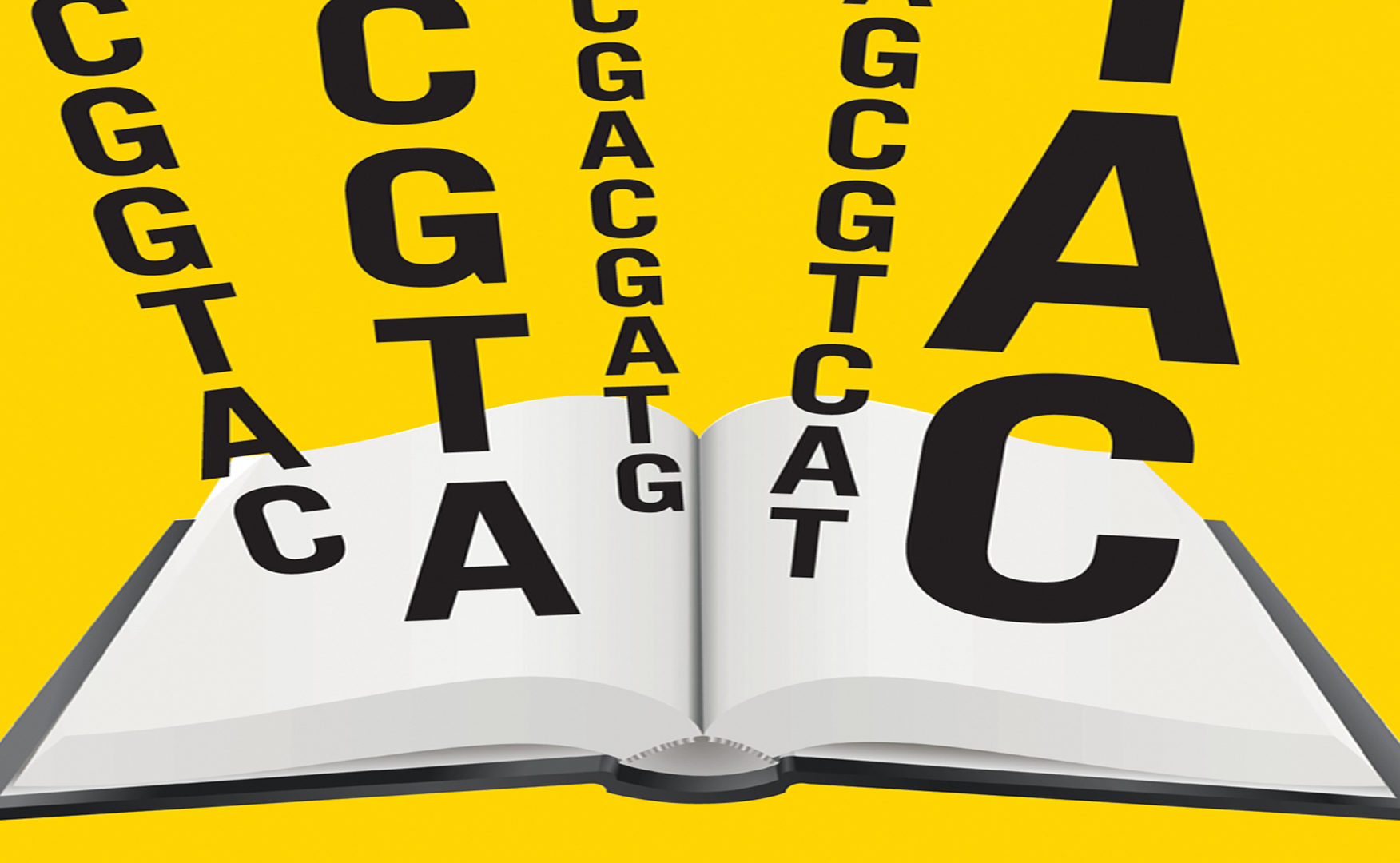
There is a revolution underway in the world of medicine. As researchers identify the genetic variants responsible for cancer, schizophrenia and diabetes, and doctors tailor medications and diagnostic tests specifically for your genomic makeup, we inch closer to personalized medicine.