Search Icon





In March 2014, scientists working on the BICEP2 telescope at the South Pole reported an incredible discovery: a swirling pattern in the cosmic background radiation that appeared to indicate the presence of gravitational waves.
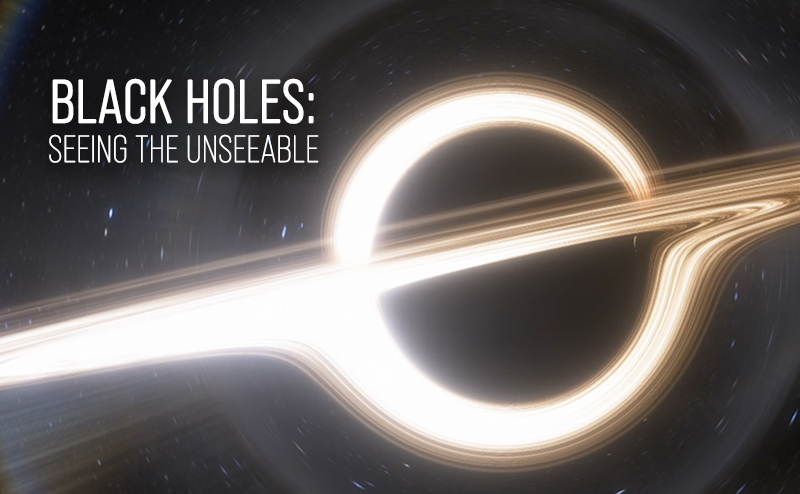
A century after Einstein’s mathematics suggested the possibility of black holes, the Event Horizon Telescope (EHT) is finally observing them. The project’s latest achievement is the first image of the …

Rattlesnakes, cobras, alligators, and a huge collection of venomous reptiles come with lots of risks in the daily life of herpetologist and reptile keeper Matt Lanier. Meet some of these …
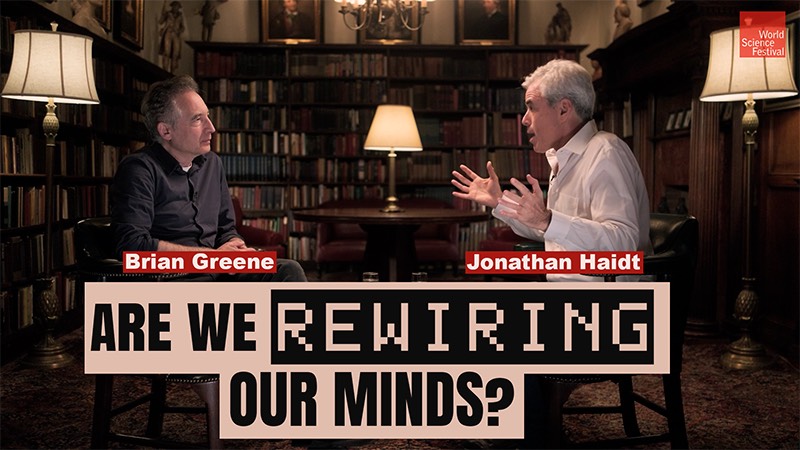
Bestselling author of The Anxious Generation, Jonathan Haidt joins Brian Greene to discuss religion, technology, and the impacts of social media on democracy and society. This program is part of …

The nature of time is an age-old conundrum for physicists, philosophers, biologists and theologians. The Newtonian picture of time—a kind of cosmic clock that ticks off time in a manner that applies identically to everyone and everything—tightly aligns with our experience. But with special and general relativity, Einstein showed the fallacy inherent in experience.
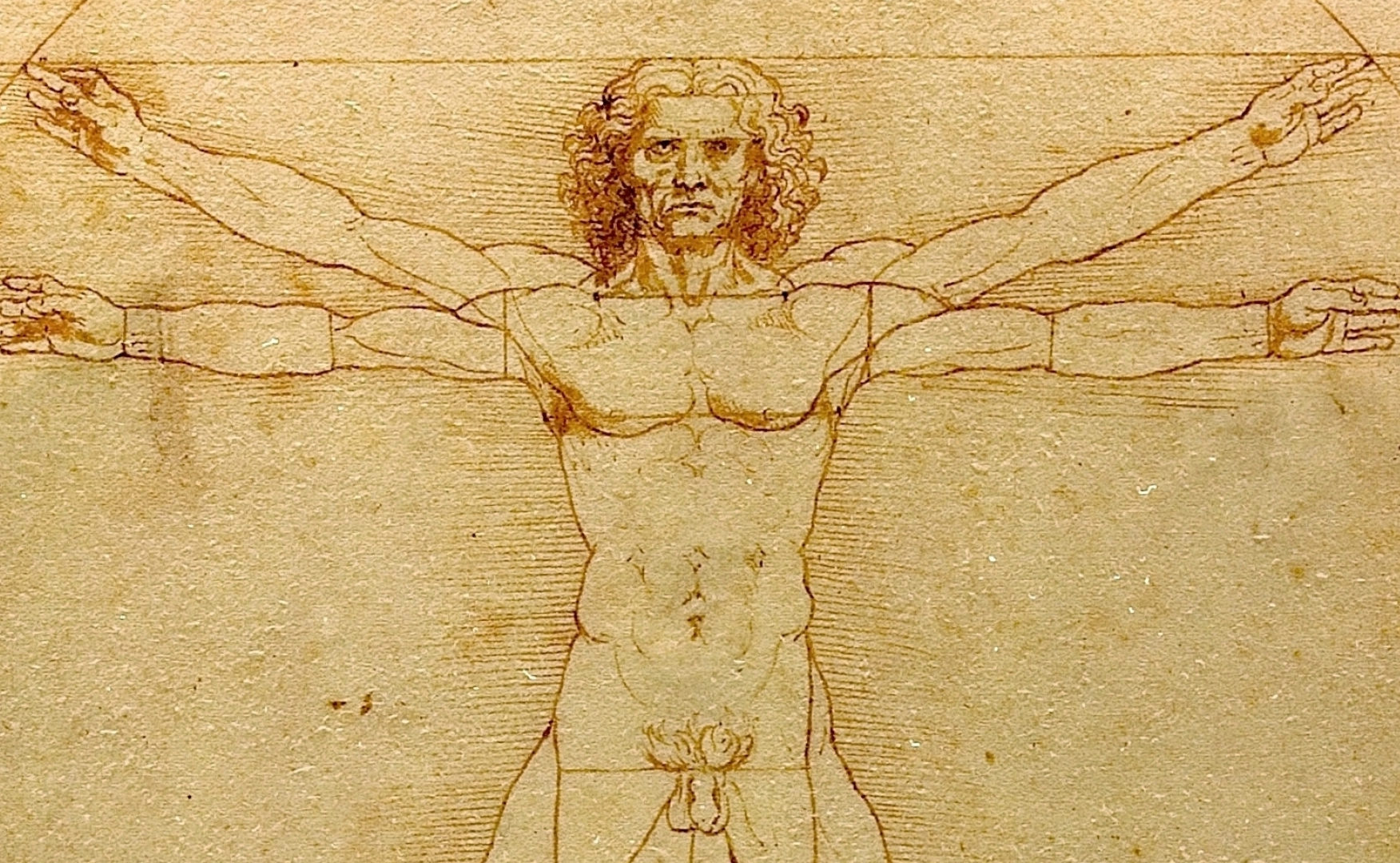
Drawing on a range of disciplines, this provocative program looked at how discoveries in areas like fundamental physics, anthropology, and genomics are influencing our understanding of uniquely human characteristics.