Search Icon



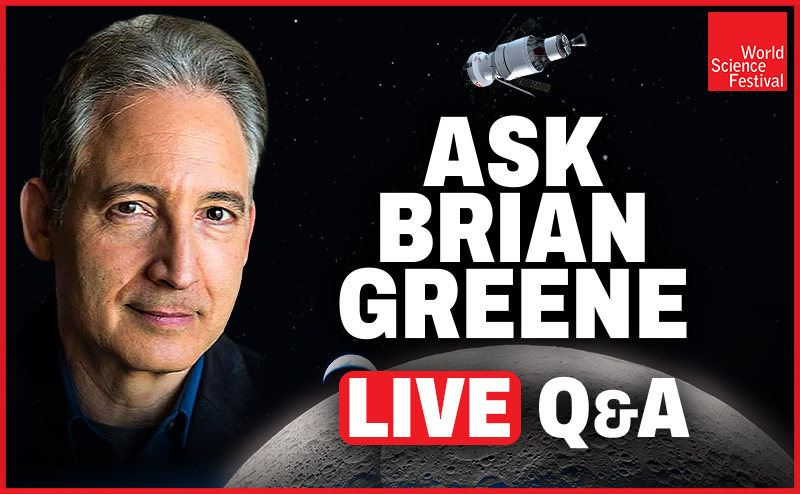
This live Q&A in celebration of the Artemis II splashdown covered everything from space and physics to the biggest mysteries of the universe.
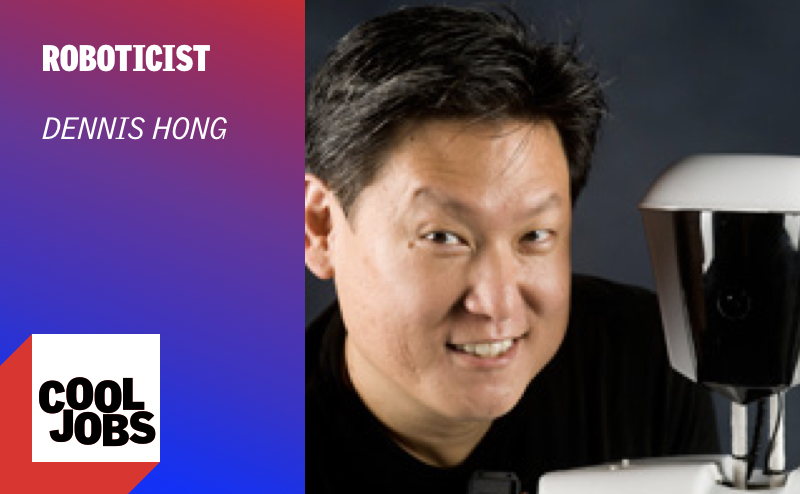
Invention and innovation are the mark of robotics engineer Dennis Hong’s lab. Watch as he demonstrates some of the remarkable robots that his team has built. The robots walk on …
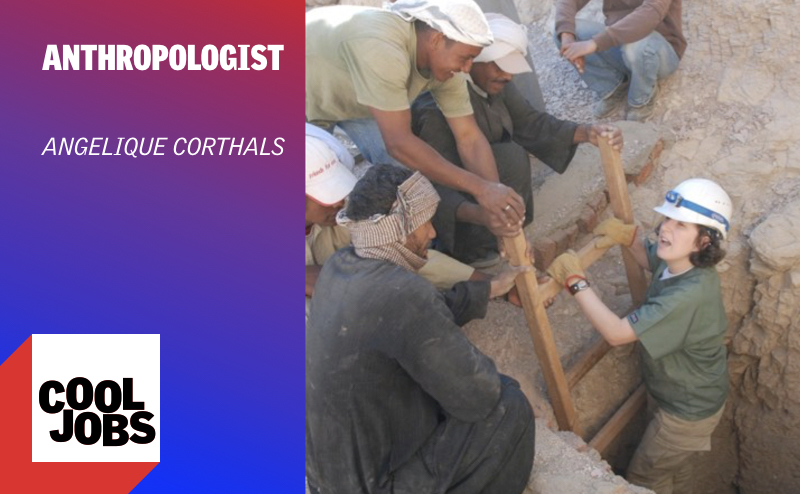
Biomedical and forensic anthropologist Angelique Corthals travels the world uncovering 3,000 year old fossils and more in her exciting job to unearth mysteries of mummies. Episode filmed live at the …
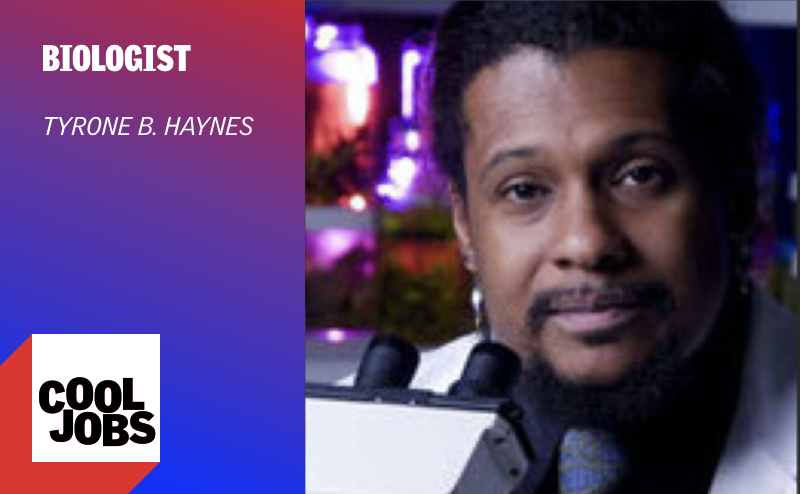
Amphibian biologist Tyrone Hayes’s boyhood love of frogs turned into a career of adventure. Hear how he uncovered farming chemicals that give male frogs female reproductive capabilites, a discovery that …
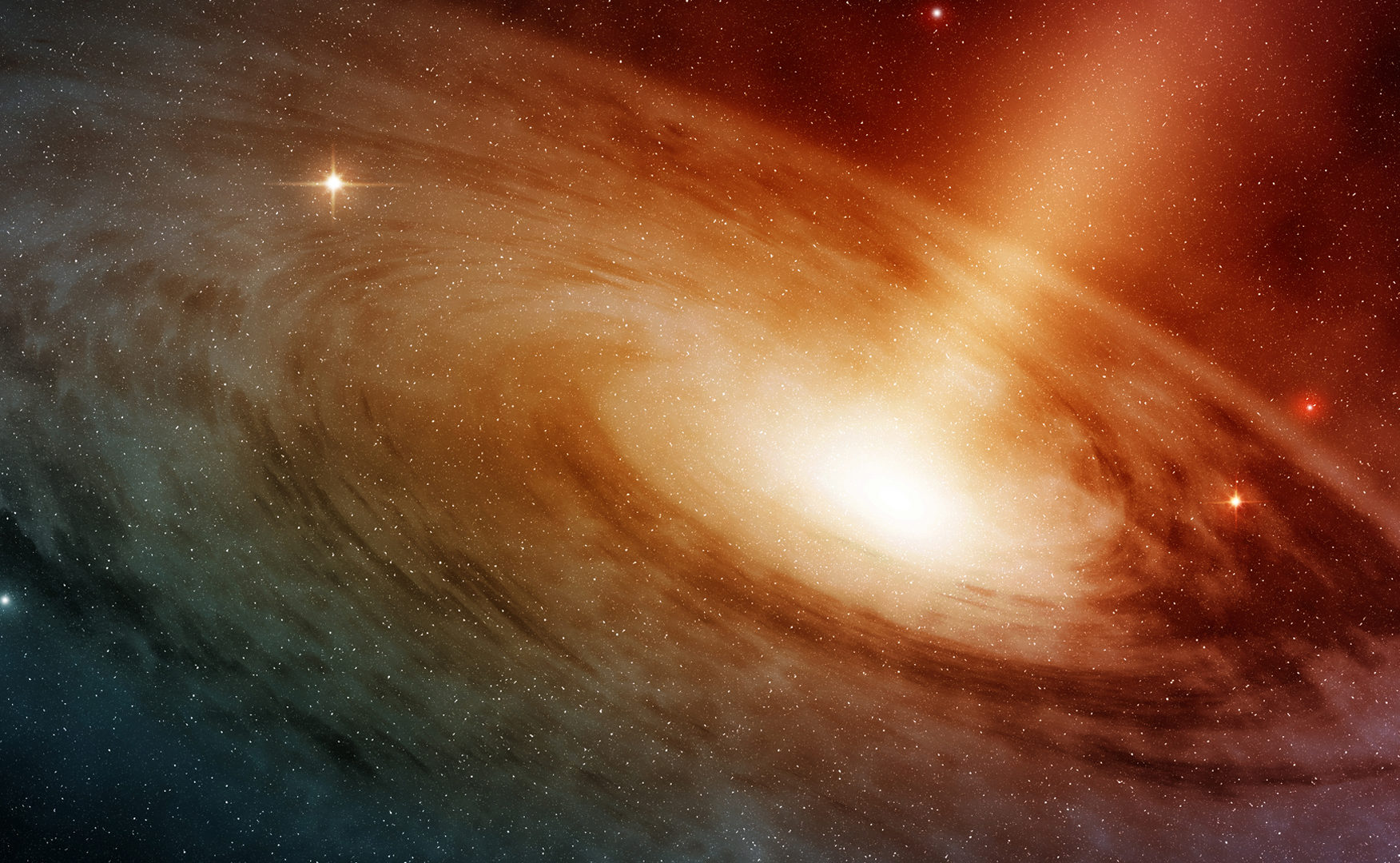
In what many call a “golden age of cosmology”, astronomers can now observe the universe with unprecedented precision, resulting in spectacular progress in the search for the origin of the universe. Yet, for all the impressive progress, fundamental questions remain. What is the mysterious “dark energy” driving space to rapidly expand?
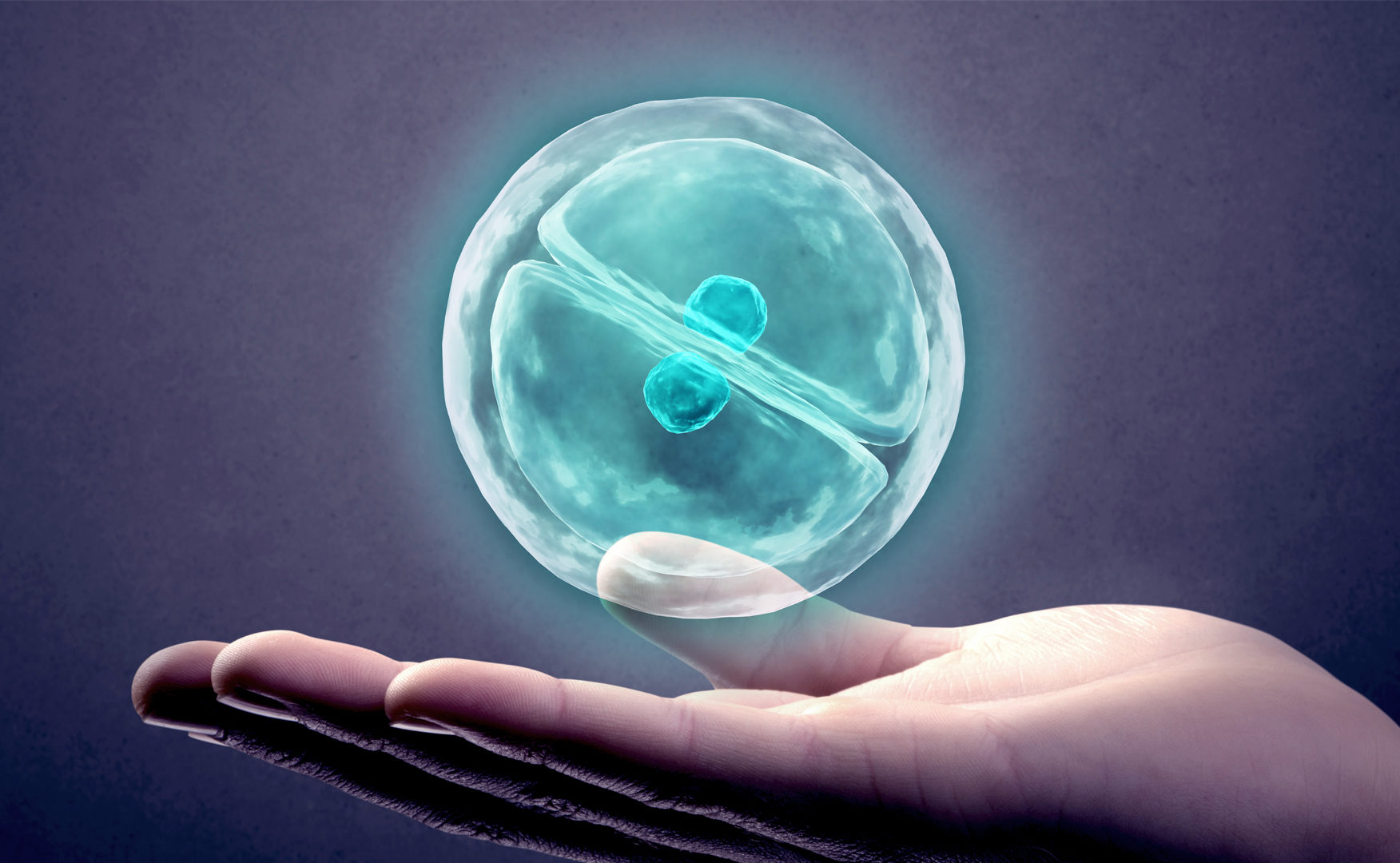
For decades, biologists have read and edited DNA, the code of life. Revolutionary developments are giving scientists the power to write it. Instead of tinkering with existing life forms, synthetic biologists may be on the verge of writing the DNA of a living organism from scratch.