Search Icon





What are the special challenges, pitfalls, opportunities and rare triumphs of seeking and synthesizing the essence of someone whose passion—quantum physics, number theory, nucleic acids, atomic species, computational design, gravitational phenomena—is so thoroughly foreign to the concerns of everyday life?

Are there limits to the human lifespan? Is it possible to stop the process of aging? On average, humans now live far longer than at any point in our history …

Imagine beating every strain of flu with a single jab. Wiping out your risk of some lethal cancers, HIV, and Ebola during a routine doctor’s visit. That’s the promise of next-generation vaccines, and researchers are closing in on the basic science needed to bring them to reality.
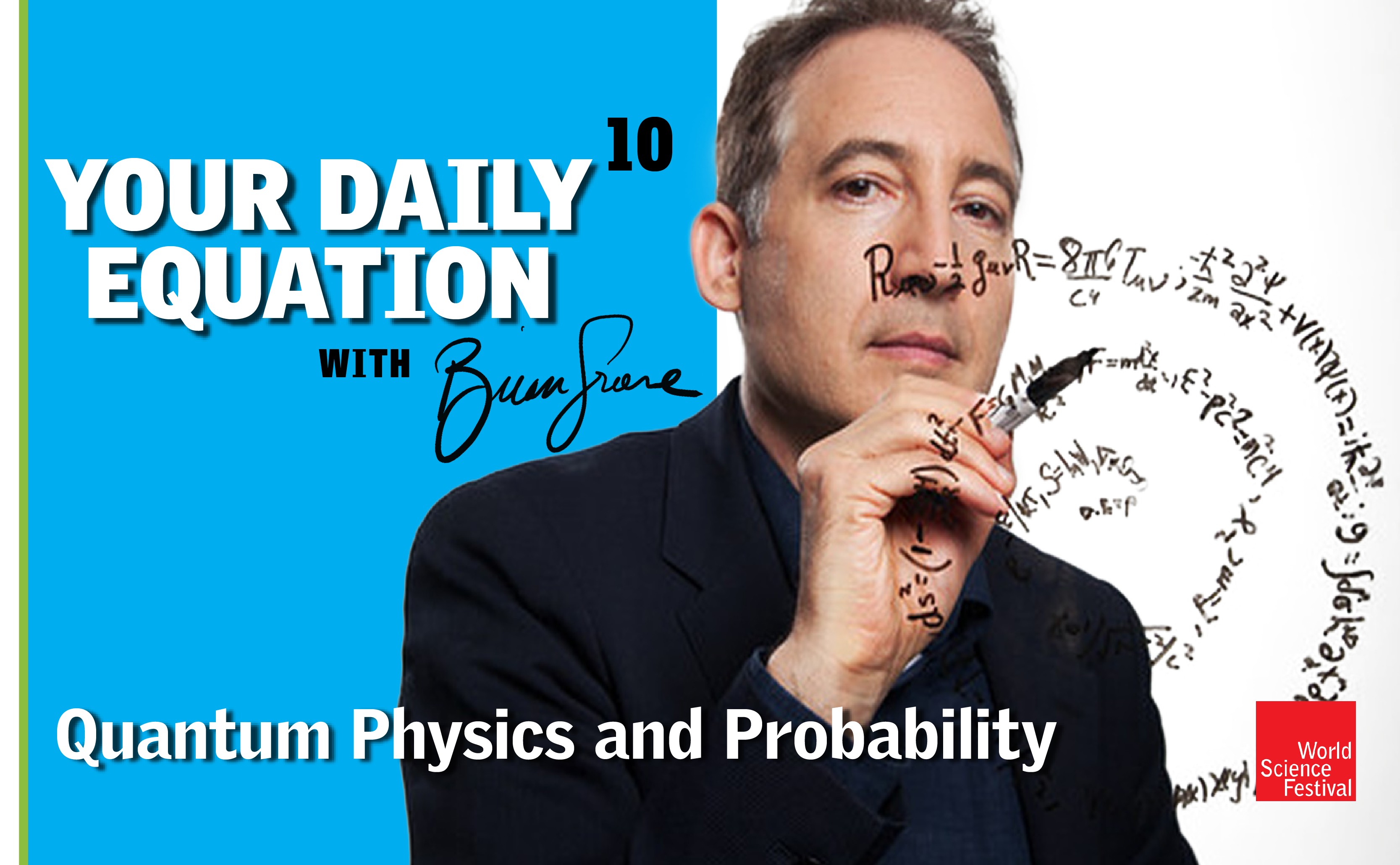
#YourDailyEquation with Brian Greene offers brief and breezy discussions of the most pivotal equations of the ages. Even if your math is a bit rusty, these accessible and exciting stories of …
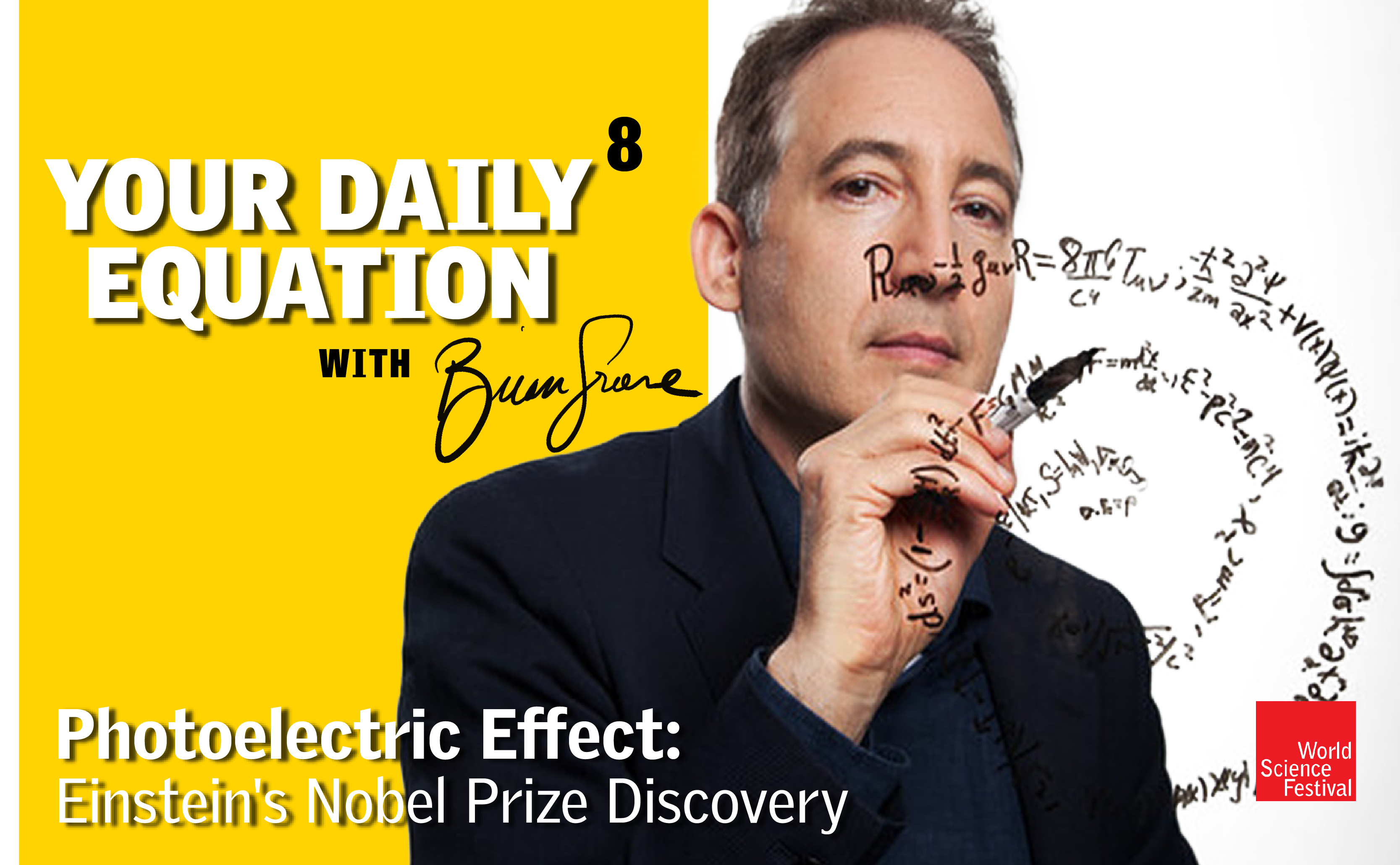
#YourDailyEquation with Brian Greene offers brief and breezy discussions of the most pivotal equations of the ages. Even if your math is a bit rusty, these accessible and exciting stories …

As computers become progressively faster and more powerful, they’ve gained the impressive capacity to simulate increasingly realistic environments. Which raises a question familiar to aficionados of The Matrix—might life and the world as we know it be a simulation on a super advanced computer?