Search Icon




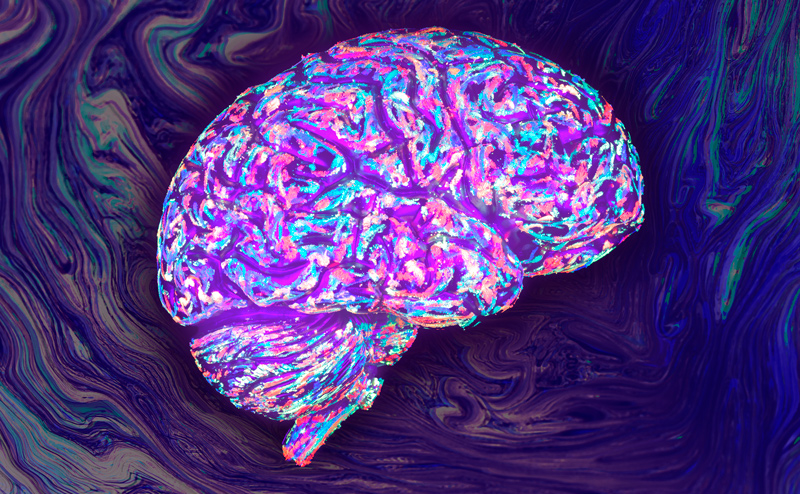
Nearly every culture throughout history has used chemicals that alter consciousness for spiritual exploration. In the 20th century these drugs caught the attention of scientists. Psychedelics, as they were named, …
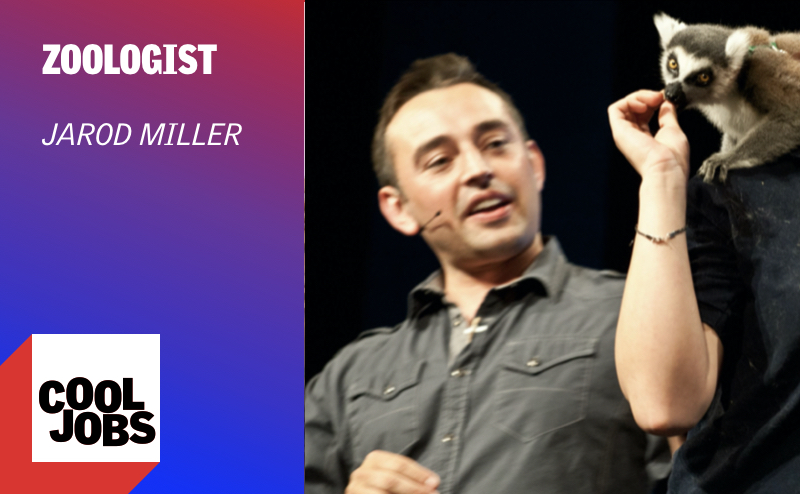
Zoologist Jarod Miller has traveled the world and encountered countless members of the animal kingdom. Meet a fennec fox, a kinkajou, and a lemur and learn about the special traits …

The World Science Festival’s Pioneers in Science program gives high school students from around the globe rare and intimate access to some of the world’s most renowned scientists in a …

Join us for #YourDailyEquation with Brian Greene. Every Mon – Fri at 3pm EDT, Brian Greene will offer brief and breezy discussions of pivotal equations. Even if your math is a …

Why do stories endure across centuries—and what do they reveal about the essence of being human? Brian Greene sits down with Booker Prize–winning author Ian McEwan to explore the timeless …

Improving your athletic ability is possible with technology created by engineers William “Buddy” Clark and Mike Ressler. See how their innovations can be easily used to analyze and step up …