Search Icon




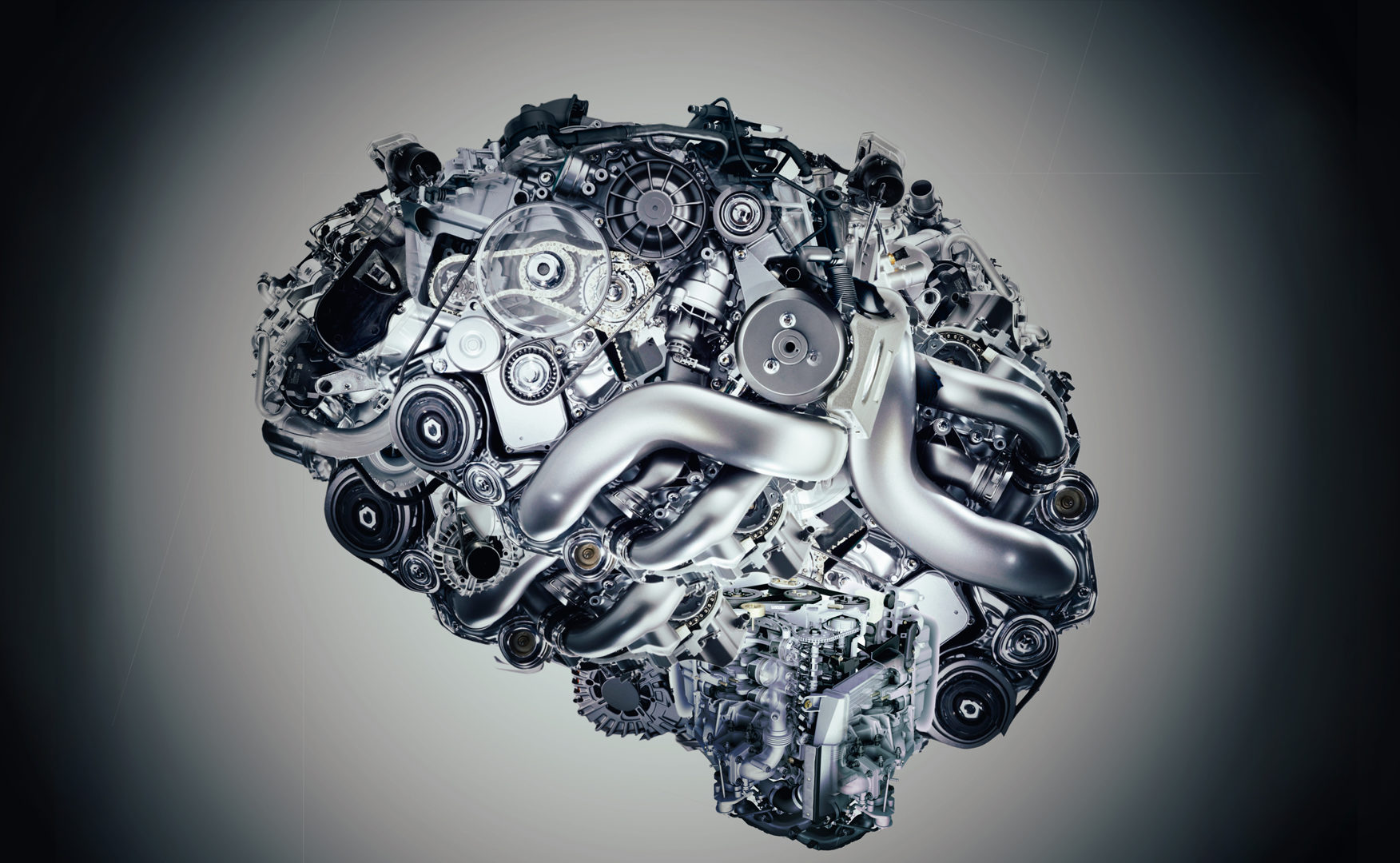
In recent years, machines have grown increasingly capable of listening, communicating, and learning—transforming the way they collaborate with us, and significantly impacting our economy, health, and daily routines. Who, or what, are these thinking machines? As we teach them to become more sophisticated, how will they complement our lives?
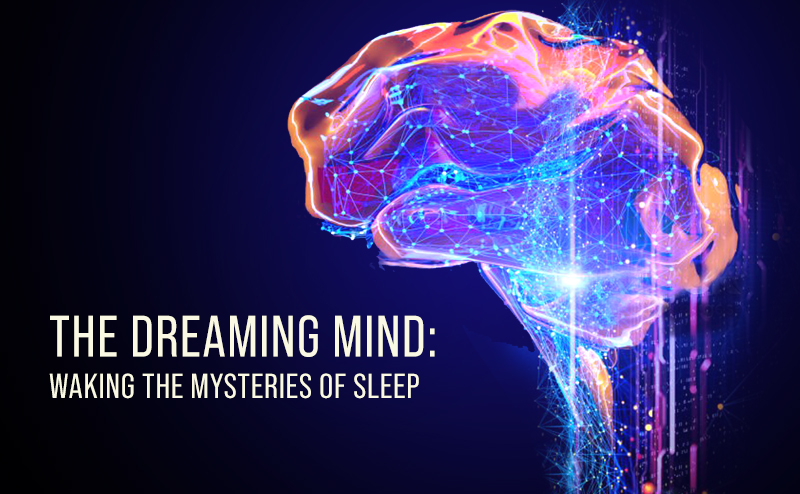
Where do our dreams come from, why do we have them, and what do they mean? Can we harness them to foster creativity, solve problems, and prepare for the future? …
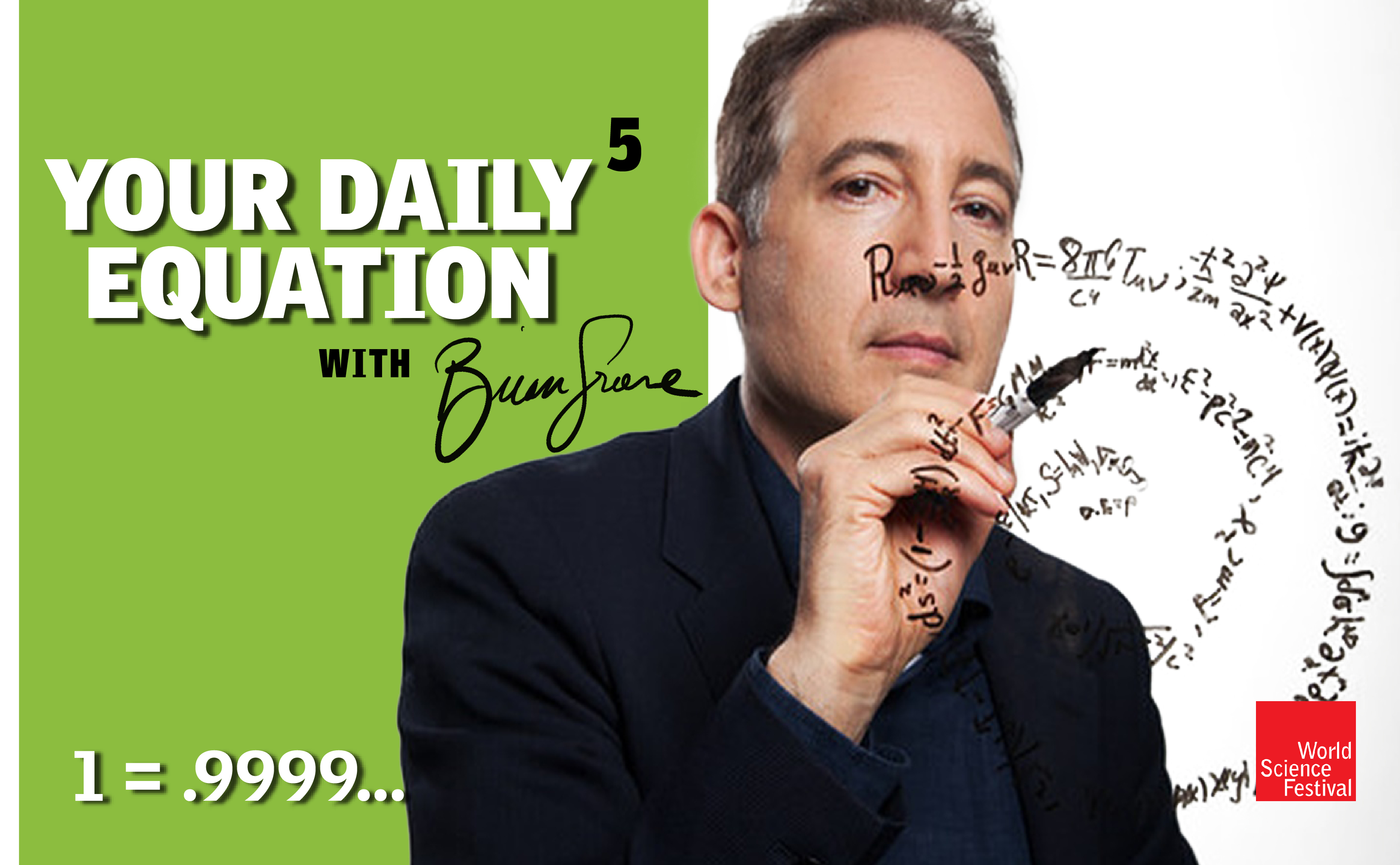
#YourDailyEquation with Brian Greene offers brief and breezy discussions of the most pivotal equations of the ages. Even if your math is a bit rusty, these accessible and exciting stories …
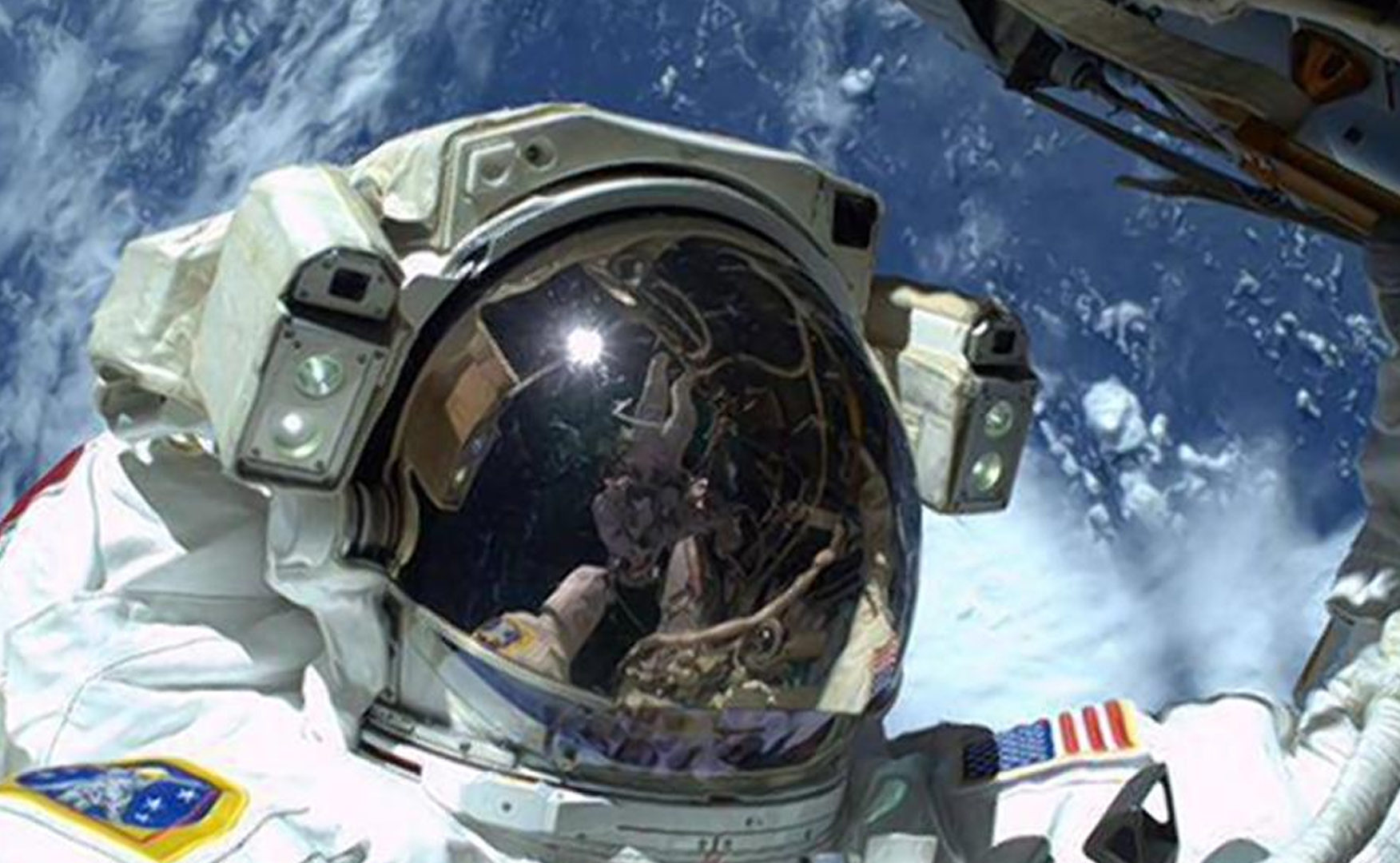
Astronauts who’ve lived on the International Space Station and “walked” in space tell all: what it’s like to ride on a space ship, and to eat, sleep, exercise, and even do science—in space.

The nature of time is an age-old conundrum for physicists, philosophers, biologists and theologians. The Newtonian picture of time—a kind of cosmic clock that ticks off time in a manner that applies identically to everyone and everything—tightly aligns with our experience. But with special and general relativity, Einstein showed the fallacy inherent in experience.
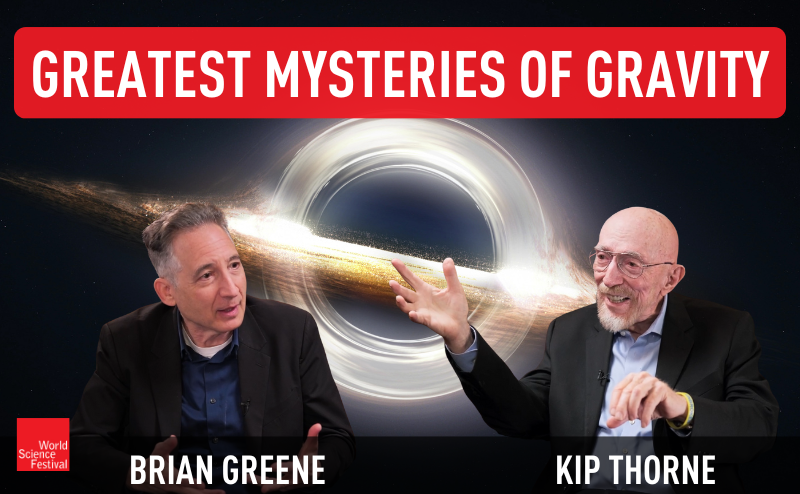
Nobel laureate Kip Thorne joins Brian Greene to trace a story that runs from the trenches of World War I to the rise of gravitational-wave astronomy—a journey that eventually carried …