Search Icon



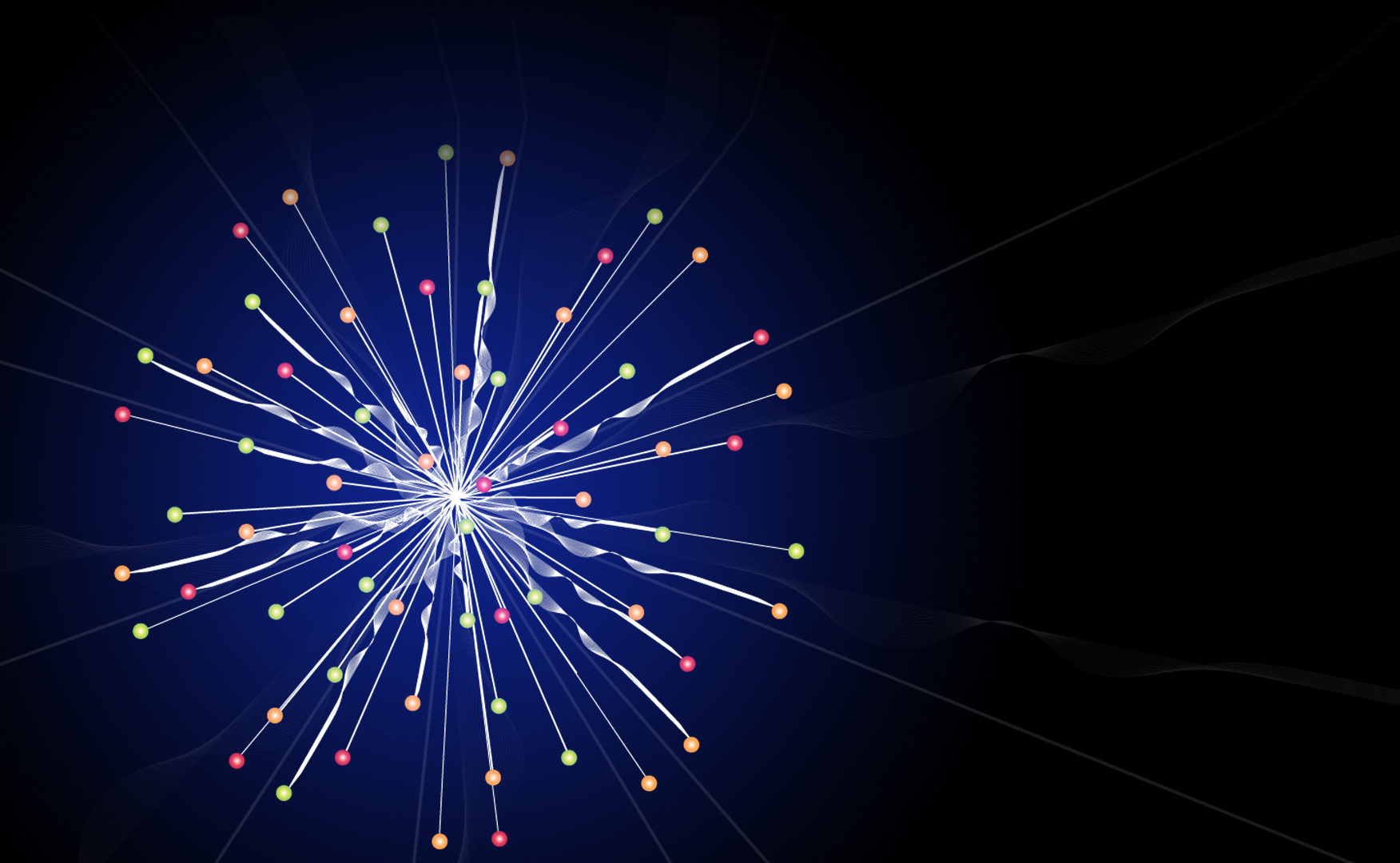
The neutrino is among the cagiest of particles, a subatomic wisp so ephemeral it could pass through light years of lead with more ease than a hot knife through butter.

By 2050, there will be nine billion people on the planet. CRISPR, the revolutionary gene editing technology, could help usher in the next Green Revolution, allowing us to feed our …
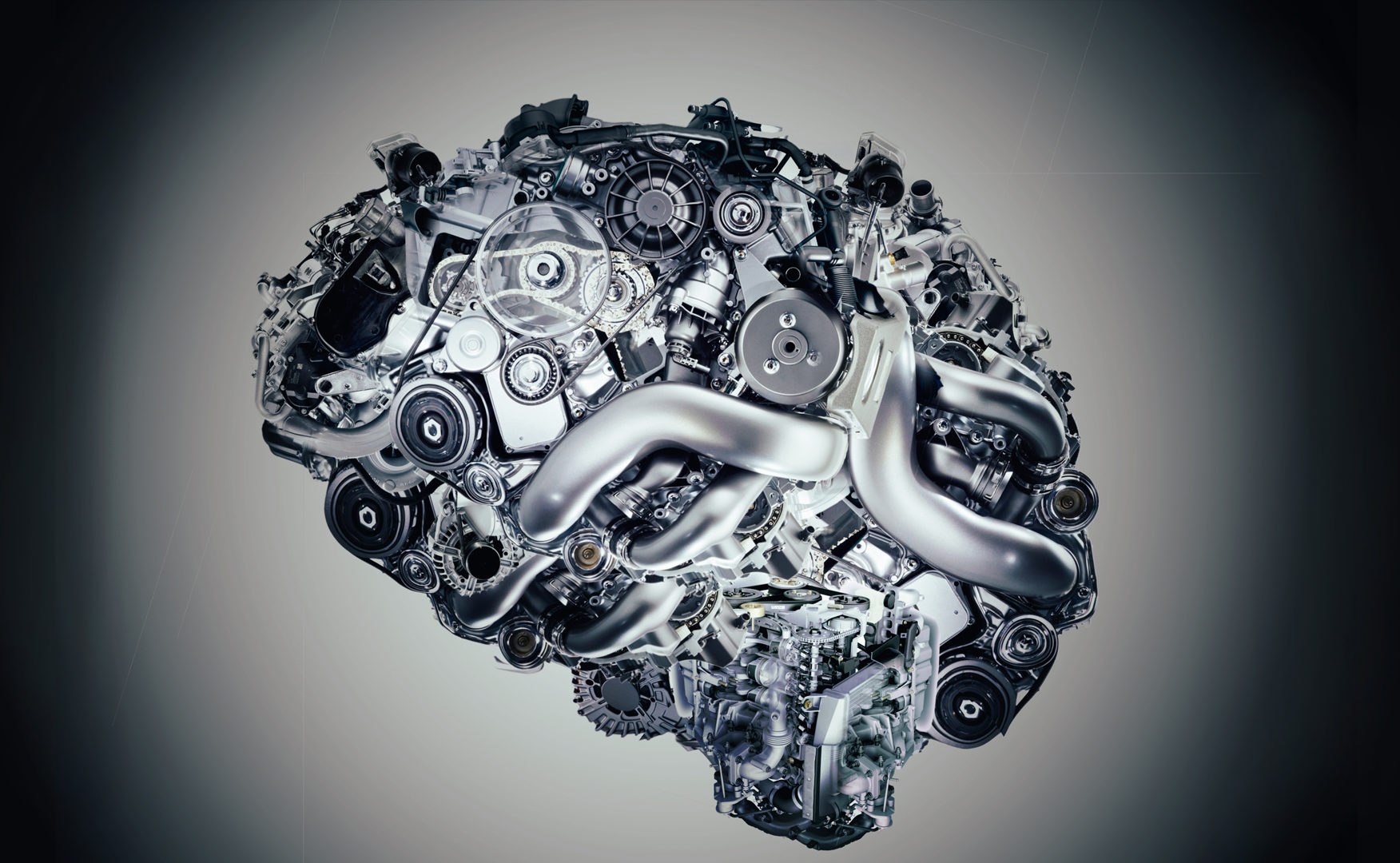
In recent years, machines have grown increasingly capable of listening, communicating, and learning—transforming the way they collaborate with us, and significantly impacting our economy, health, and daily routines. Who, or what, are these thinking machines? As we teach them to become more sophisticated, how will they complement our lives?

In his research, U.K. Astronomer Royal Martin Rees has tackled topics as varied as the Big Bang, quasars, and more far-out ideas like the search for dark matter and the …
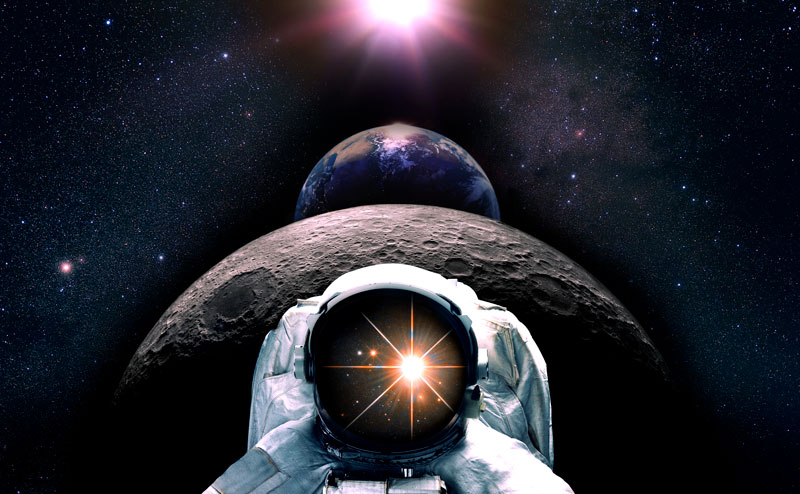
Fifty years ago, as Neil Armstrong and Buzz Aldrin bounced on the moon’s surface below, Apollo 11 Command Module Pilot Michael Collins briefly disappeared behind the lunar disk, becoming the …
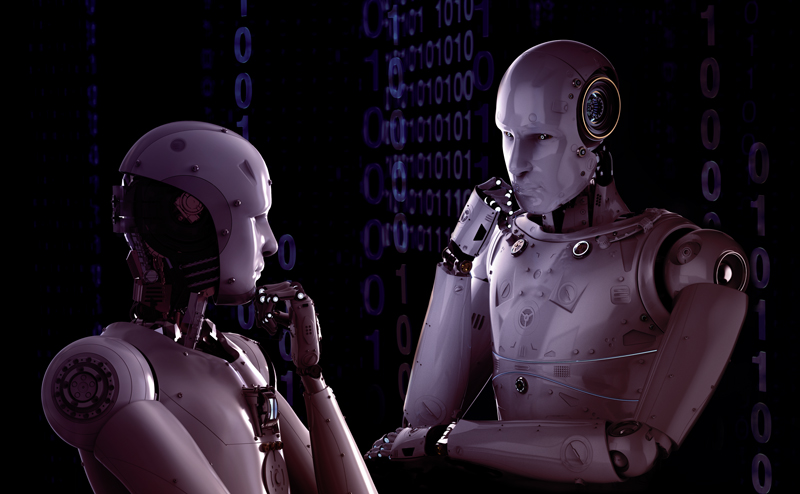
Join Turing Prize winner Yann LeCun and other pioneers in artificial intelligence for a no-nonsense discussion of whether a truly intelligent machine can be created—and, if so, how and when. …