Search Icon





A compelling narrative is the true heart of science writing, whether it comes in the form of a science fiction classic like Frankenstein or a physicist’s blog posts. But what are the specific ways that writers illuminate and humanize science?
In this year-end wrap up, Brian Greene discusses some of the major advances in science with a focus on breakthroughs in black hole physics and the key roles played by …
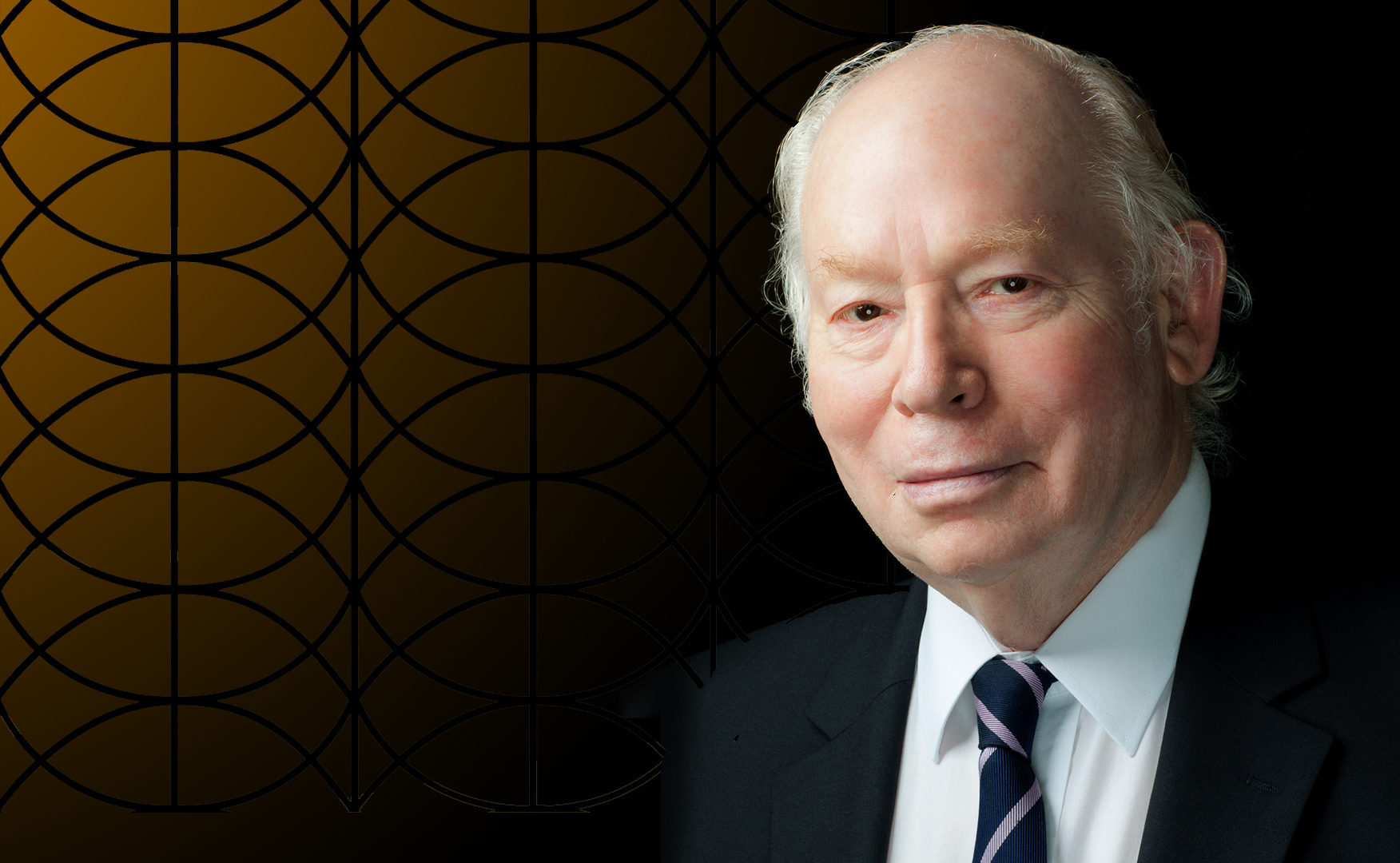
For this year’s inaugural address, “The Future of Big Science,” Nobel laureate and physicist Steven Weinberg considers the future of fundamental physics, especially as funding for basic research is reduced. Weinberg will explore physics’ small origins, starting with the discovery of the atomic nucleus 100 years ago by a single scientist.
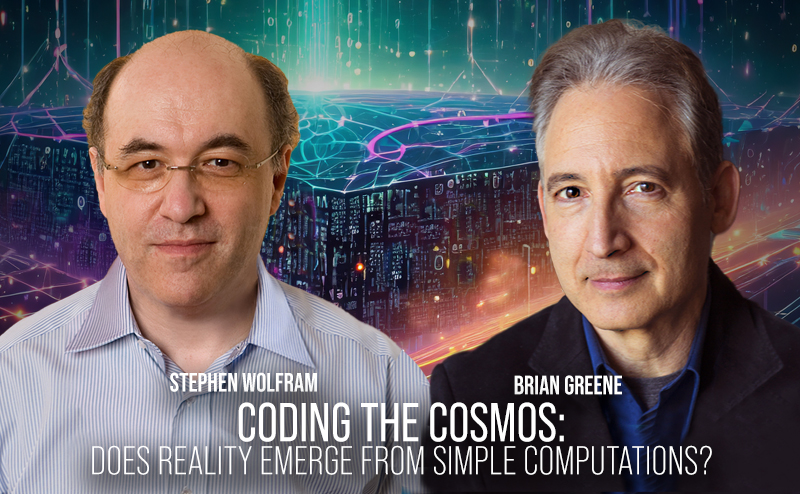
Stephen Wolfram joins Brian Greene to explore whether the ultimate theory of the universe might emerge from a computationally simple framework. This program is part of the Big Ideas series, …
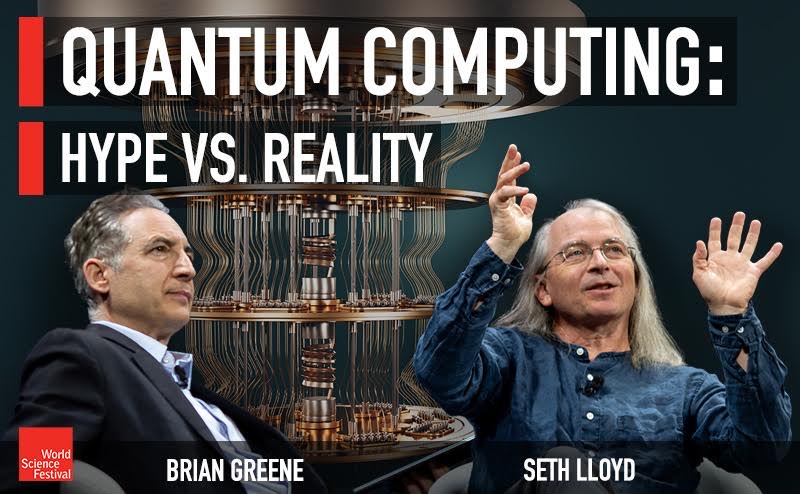
Are quantum computers the game-changer they’re described to be, or is the promise of exponential speedup overblown? Join pioneer Seth Lloyd and Brian Greene as they discuss how the fundamental …

Should we limit the use and knowledge of genetics in the case of conception? What about using genetic engineering to make humans healthier—or even enhancing humanity by manipulating DNA?