Search Icon




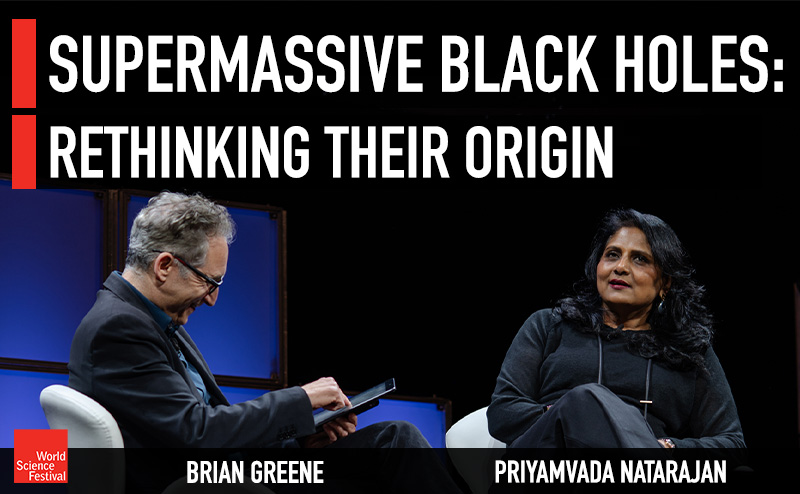
The mechanism of collapsing stars falls short of explaining the existence of supermassive black holes—giants that weigh millions or even billions of times the mass of the Sun. Astrophysicist Priya …
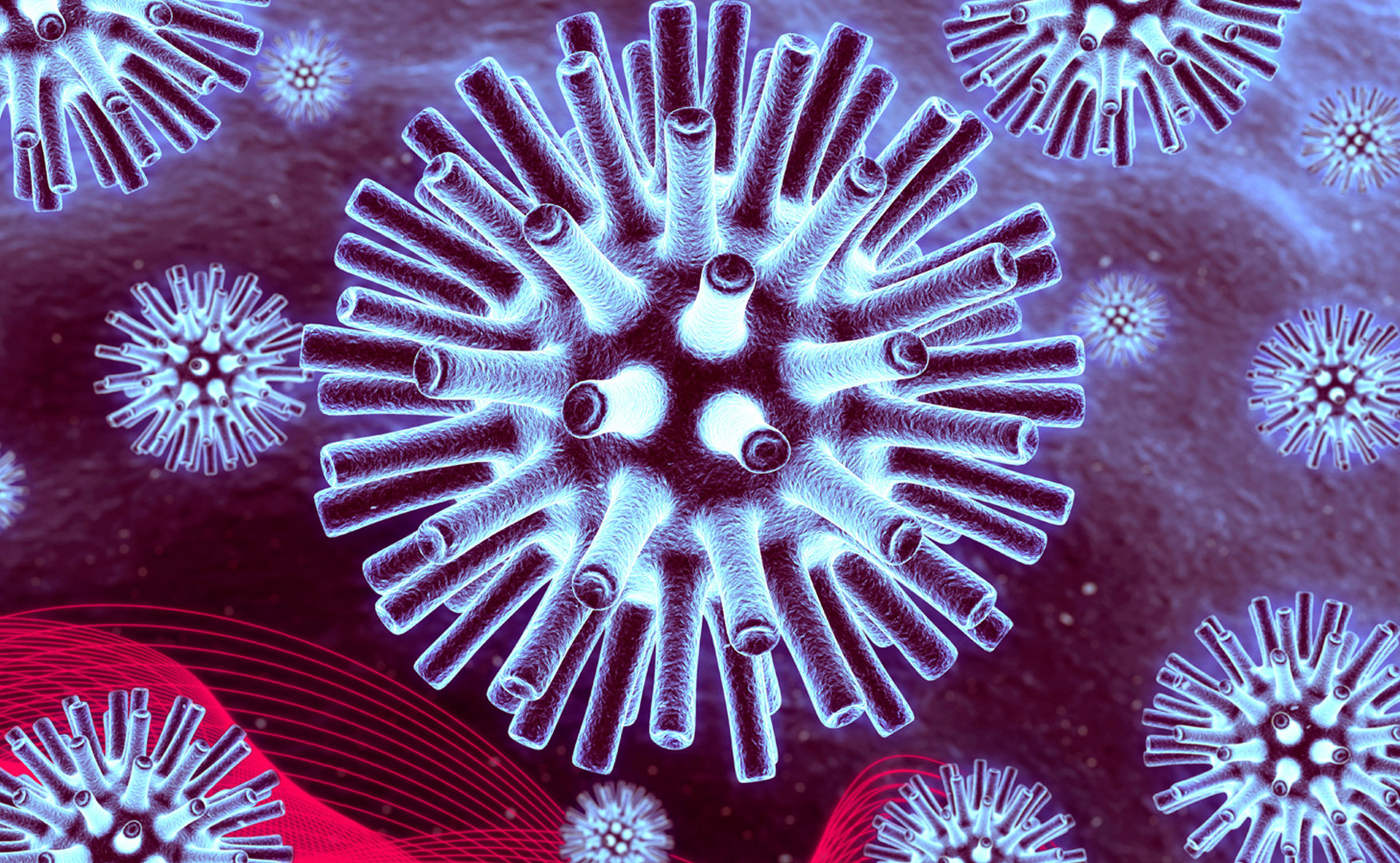
Pills the size of molecules to seek and destroy tumors. Miniscule robots performing surgery inside patients with a precision never before achieved. Nanobots, a billionth of a meter across, fixing mutations in DNA, or repairing neurons in your brain. Such are the possibilities as medicine enters the nano-era.
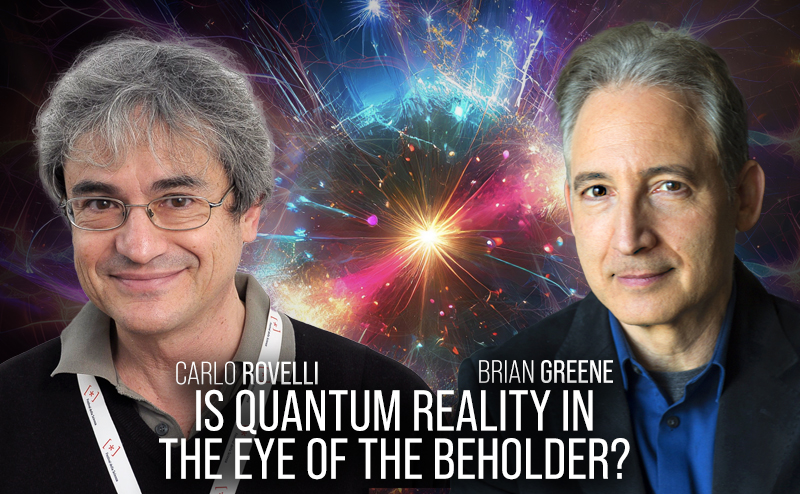
Can we address mysteries of quantum mechanics by supposing that properties of objects long considered to have an independent existence are actually determined solely in relation to other objects or …
A new generation of technology is revolutionizing neuroscience, allowing a closer study of the brain than had ever seemed possible. The techniques are hybrids of optics, genetics, and synthetic biology …
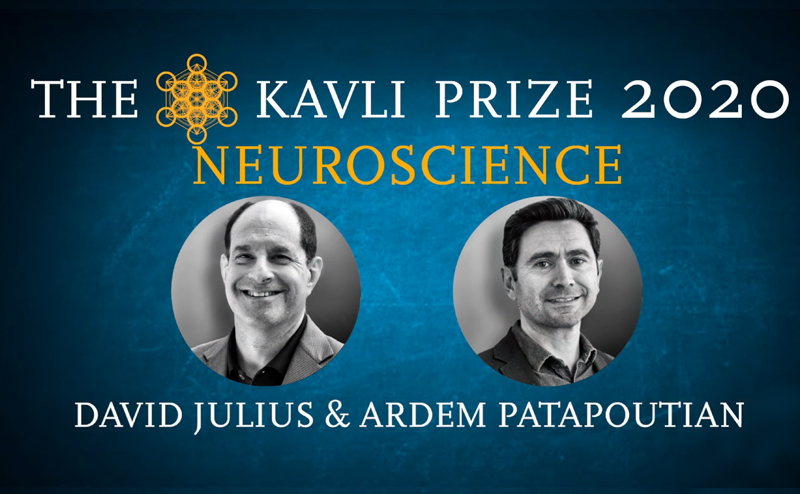
Temperature and pressure. Two sensations of vital importance in one’s daily life. Yet science has been lacking a deeper understanding of how these sensations are detected and encoded on a …
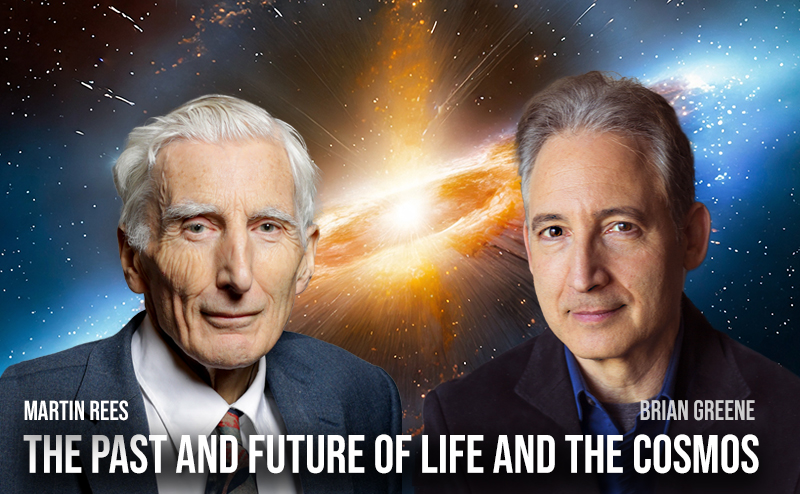
Join Brian Greene and Britain’s Astronomer Royal Martin Rees as they discuss challenges and opportunities swirling around cosmology–the big bang, dark matter, dark energy, and black holes–and the future of …