Search Icon



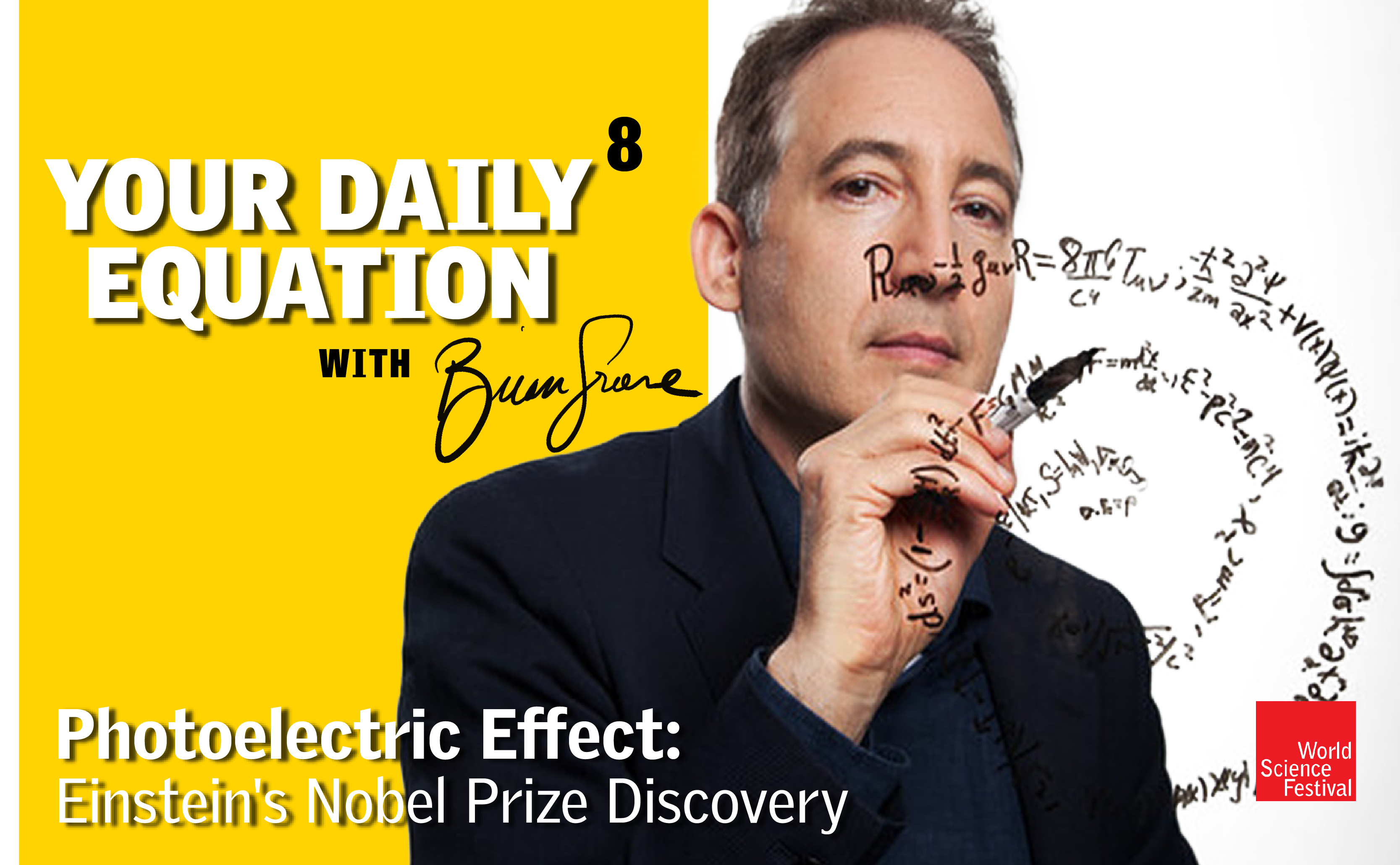
#YourDailyEquation with Brian Greene offers brief and breezy discussions of the most pivotal equations of the ages. Even if your math is a bit rusty, these accessible and exciting stories …
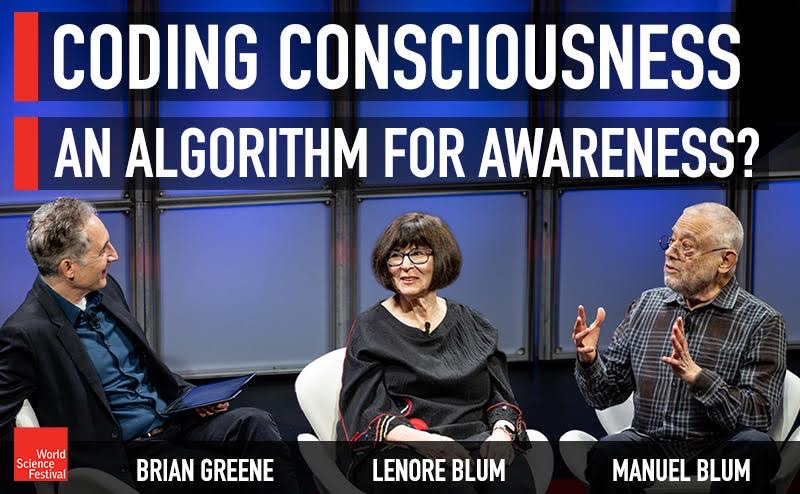
Can conscious self-awareness be coded in an algorithm? According to distinguished computer scientist Lenore Blum and Turing Award Laureate Manuel Blum the answer is “yes,” and they join Brian Greene …
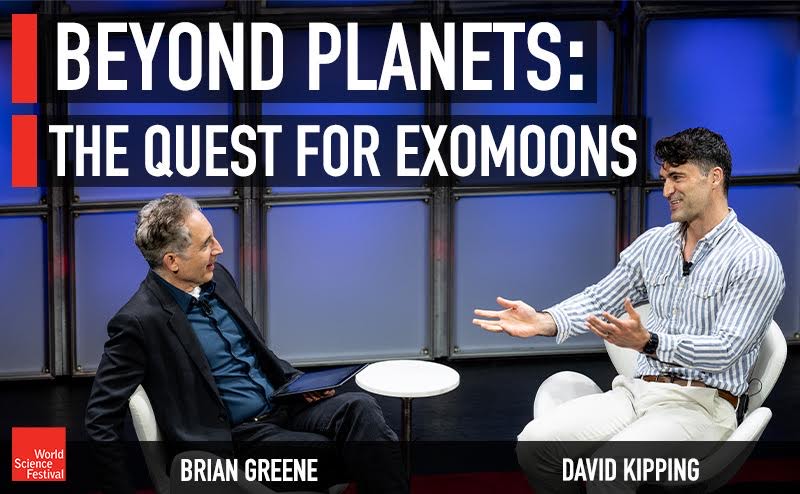
We’ve discovered thousands of exoplanets, but what about exomoons? Astronomer David Kipping joins Brian Greene to explore the ongoing search for exomoons—lesser-known, but intriguing potential habitats for life beyond Earth. …
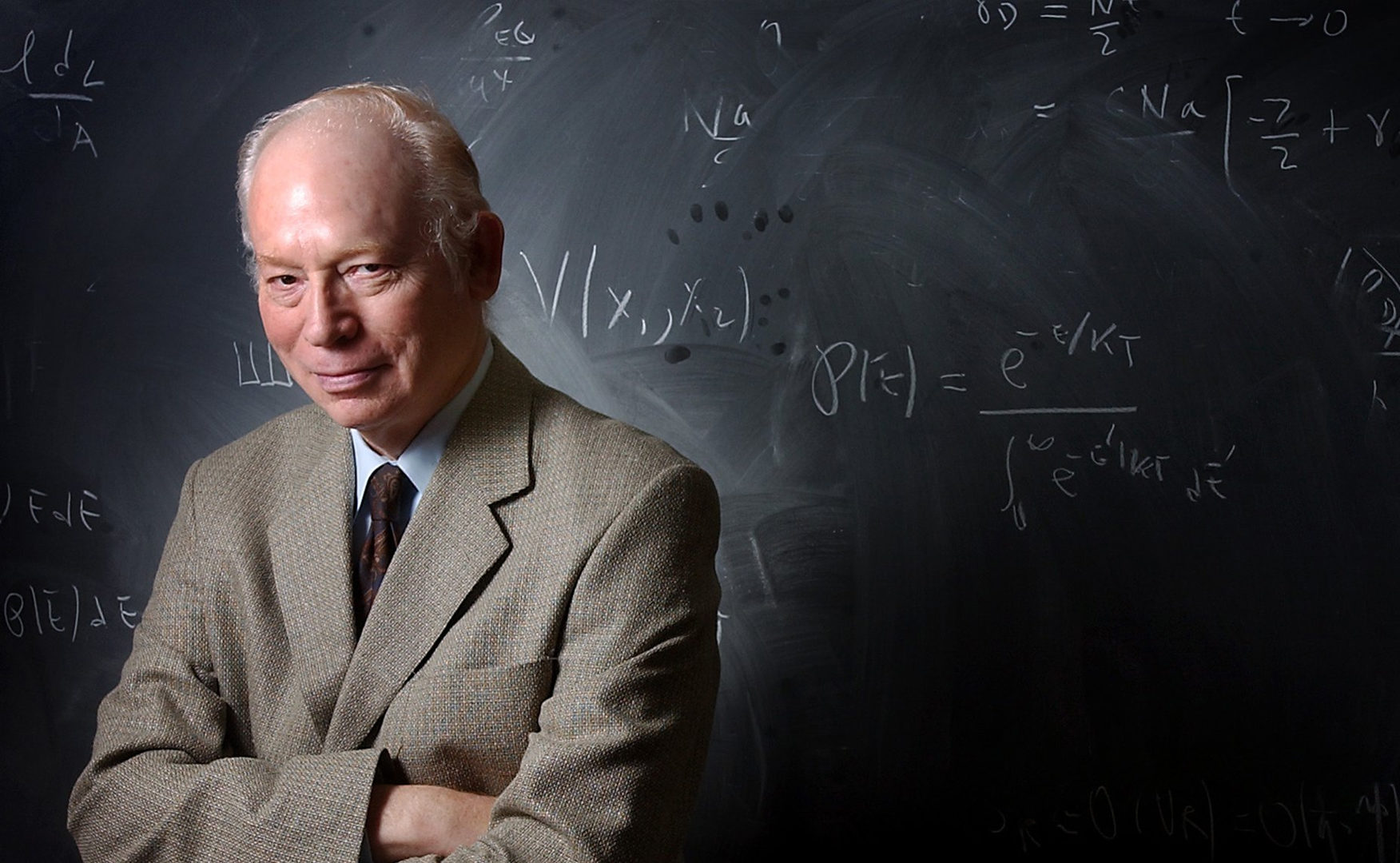
Nobel Prize-winning physicist Steven Weinberg spoke about science and history, drawing from his book “To Explain the World: The Discovery of Modern Science.”
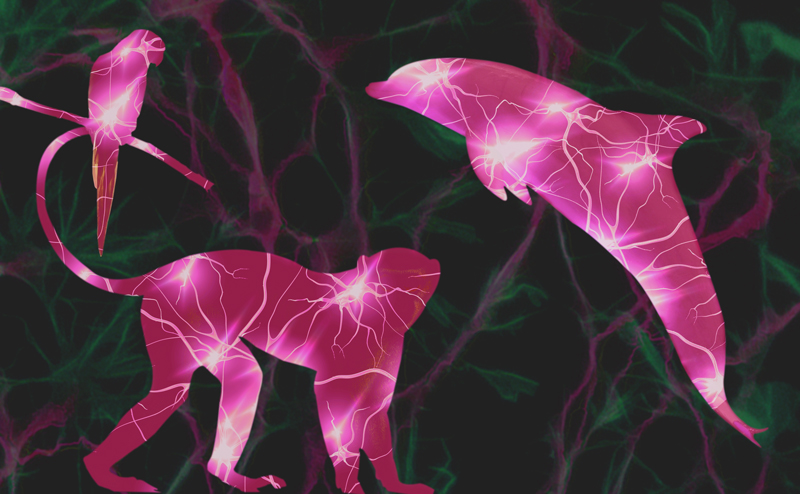
Intelligence was once thought to be uniquely human. But researchers have discovered astonishing cognitive abilities in many other species—not just our close cousins like chimps, or fellow mammals like dolphins—but …

From diseases and disasters to the miracles wrought by evolution, the environmental forces that shape our lives are the inspiration for countless science writers. This event featured five award-winning authors whose best-selling books explore the complicated interplay of science, ethics, history and social responsibility.