Search Icon




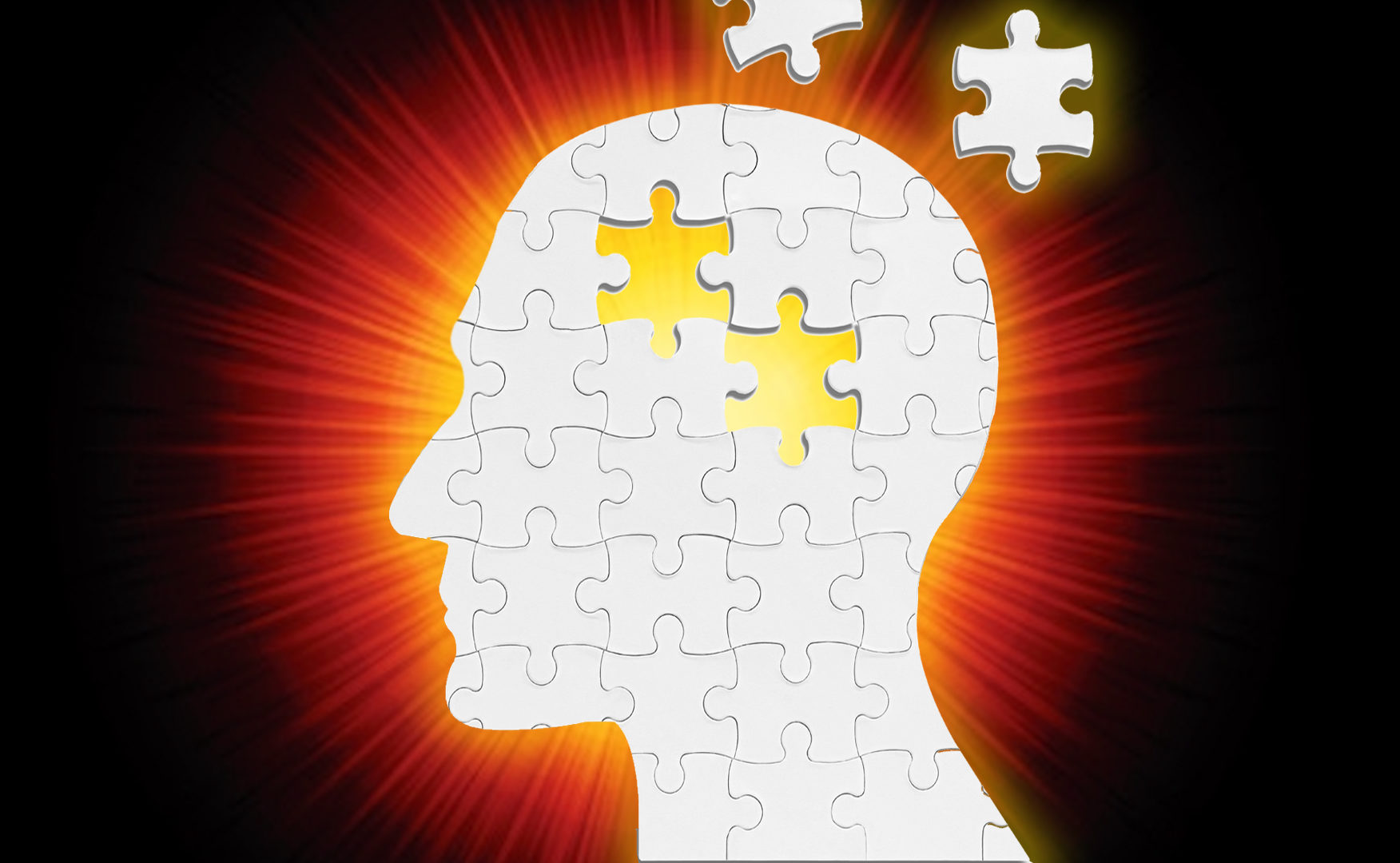
Immanuel Kant, who coined the term genius in the 1700s, defined it as the rare capacity to independently understand concepts that would normally have to be taught by another person. Since then, the spectrum of abilities that we call genius has widened, but pivotal questions remain: What exactly is genius?

Computers are getting smarter and more creative, offering spectacular possibilities to improve the human condition. There’s a call to redefine Artificial Intelligence as Augmented Intelligence, to emphasize the potential of …

What is time? Isaac Newton described it as absolute, but Einstein proved that time is relative, and, shockingly, that time and space are intricately interwoven. Now recent work in string theory and quantum gravity suggests that space and time may not be fundamental. If this is true, what new picture of reality will emerge?
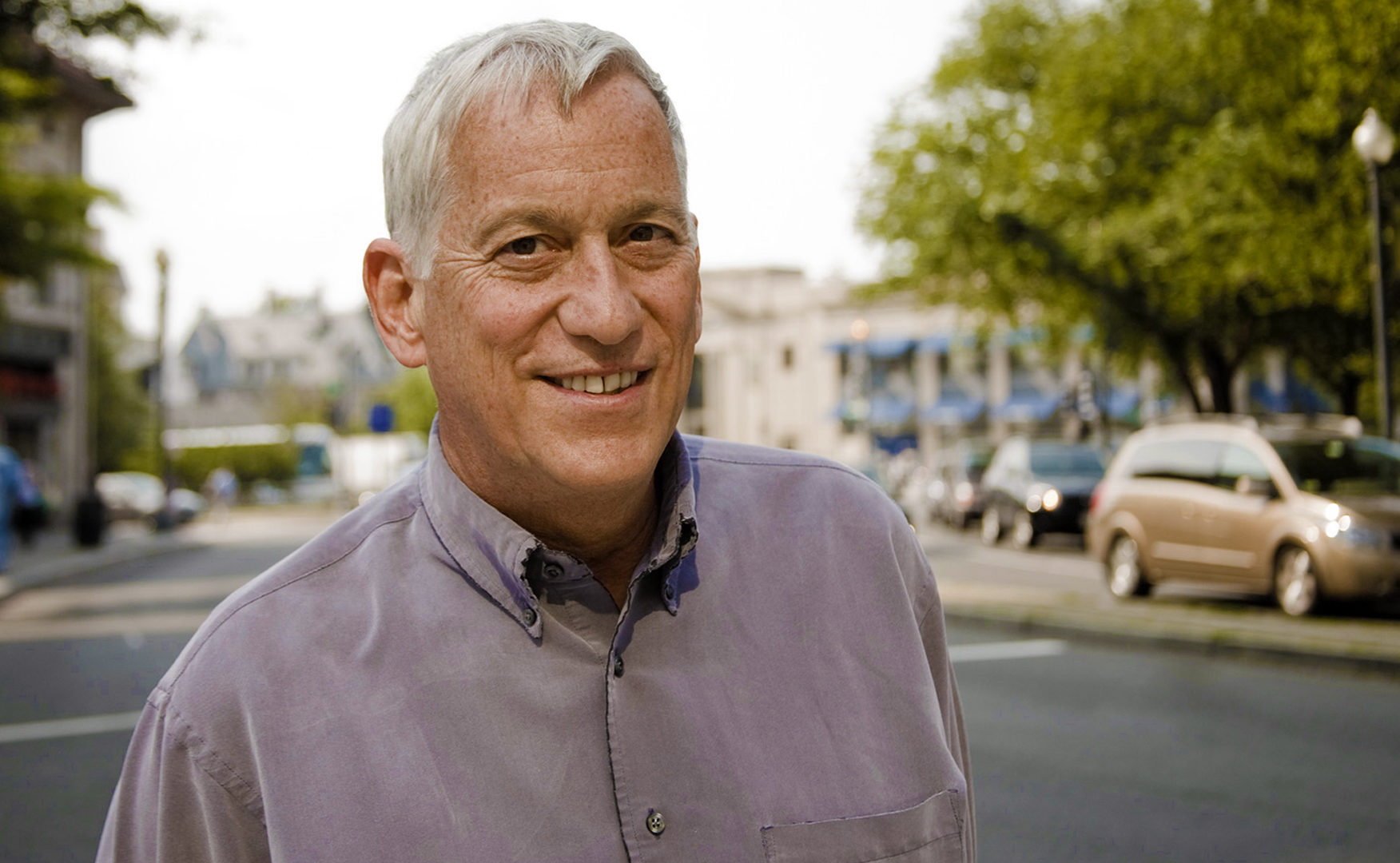
The history of computers is a history of competition and collaboration: Innovators have worked together, but also clashed over the place of computers in society and how they should function.
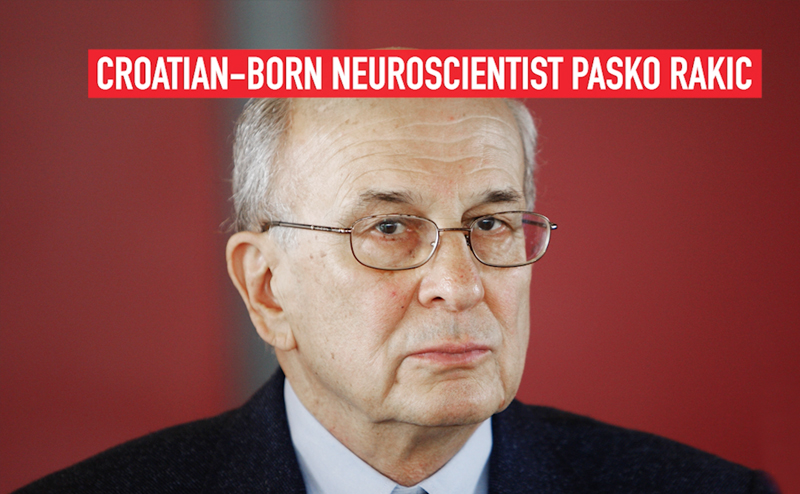
What’s the most complex structure in the known universe? Hint: You’re using it right now to answer to this question. While you keep brainstorming, let’s discuss your cerebral cortex. This …
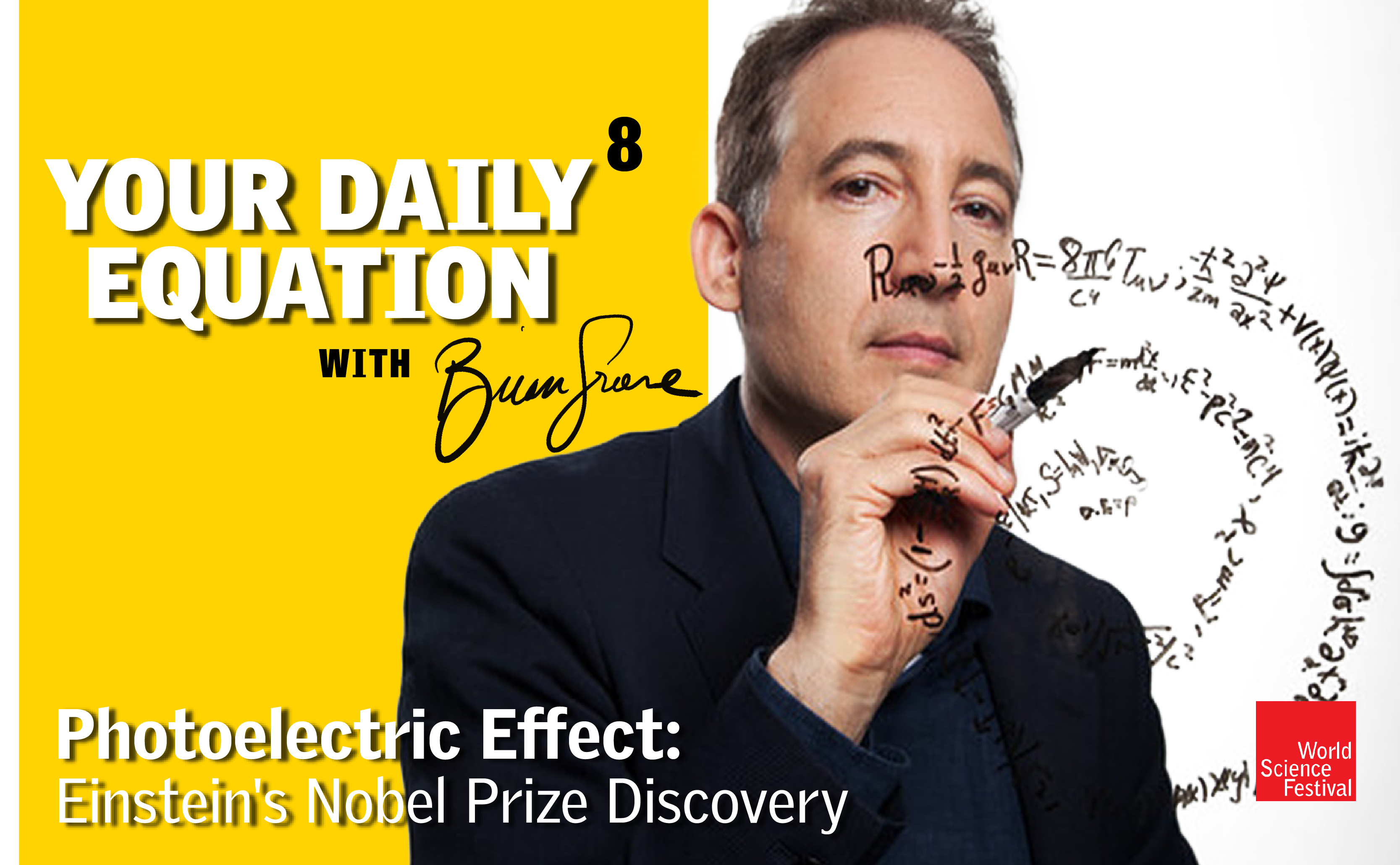
#YourDailyEquation with Brian Greene offers brief and breezy discussions of the most pivotal equations of the ages. Even if your math is a bit rusty, these accessible and exciting stories …