Search Icon




Getting old is an unavoidable truth of life. And yet, for most of modern history this mortal coil has baffled scientists. Over the past decade, however, researchers have made great strides in understanding the cellular, molecular, and genetic tableau of aging—which has brought the next question into sharp focus: Can aging be stopped?
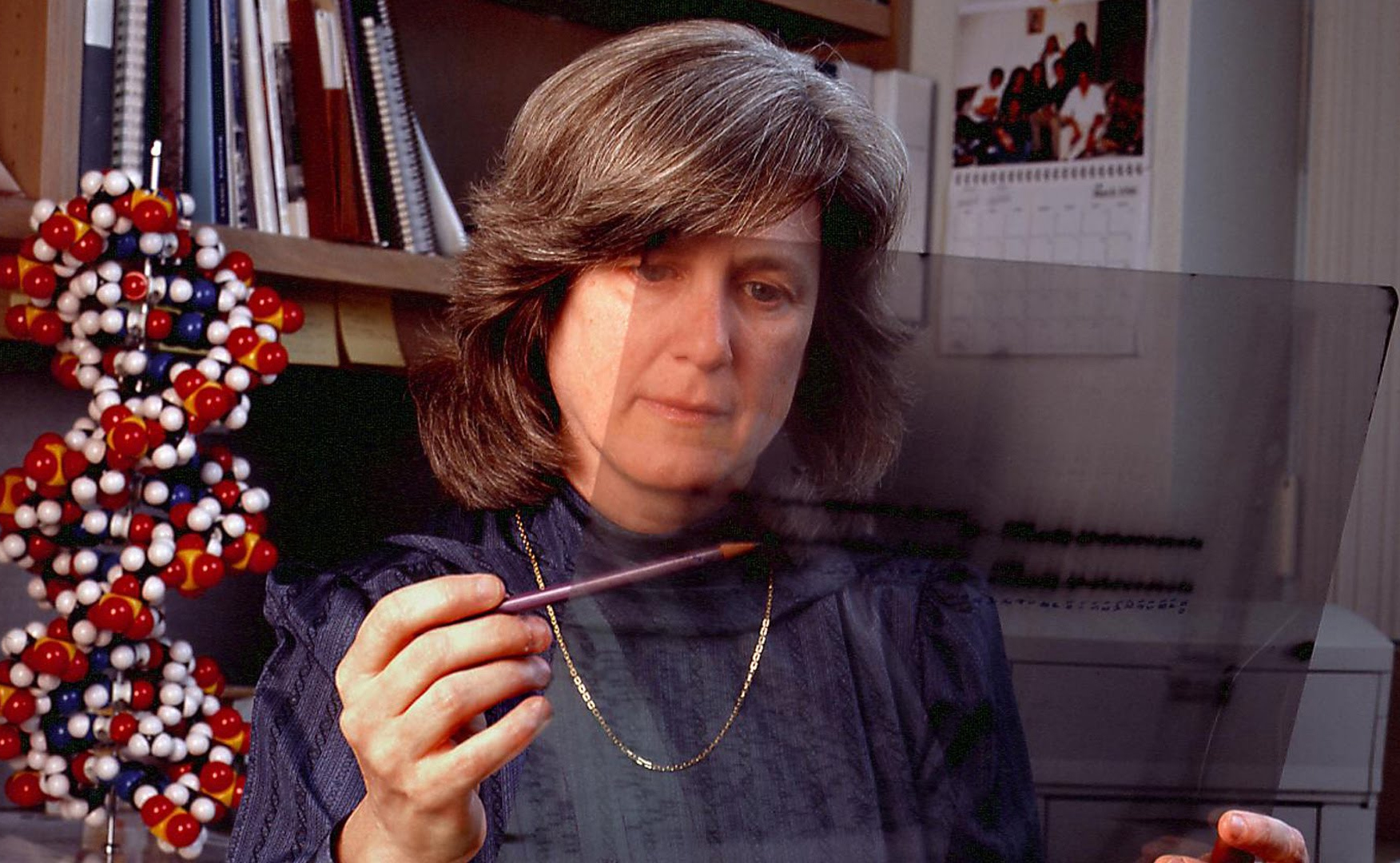
Every successful scientist seems to have a “once in a blue moon” discovery during his or her lifework: an accident or epiphany that unexpectedly leads to a serendipitous breakthrough. Geneticist …
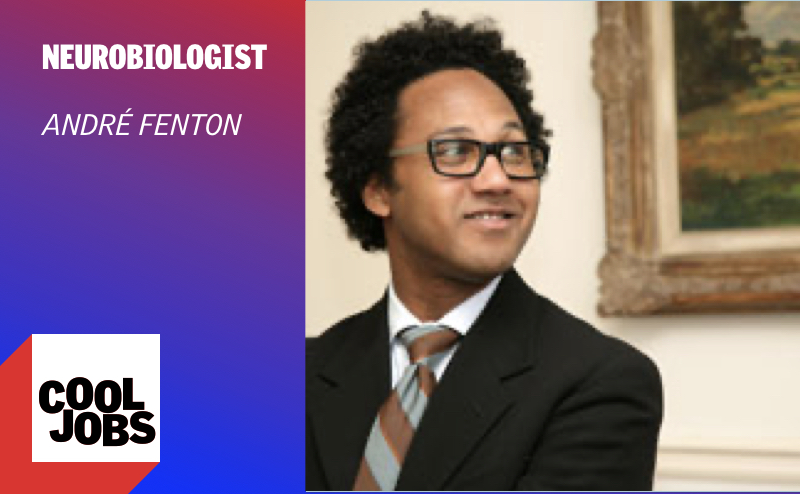
Neuroscientist André Fenton’s fascination with the human brain led him to study how we interpret the world. Check him out as he leads a group of students through interactive games …
IBM’s Watson has the ability to make a diagnosis. Apps can track and monitor patient emergencies. Our phones may soon be our medical advisers. Preventive and diagnostic medicine is on the cusp of an AI revolution that will no doubt save lives.
How do we learn to speak? What is the connection between language and movement? Join a broad and distinguished panel of biologists, psychologists, neuroscientists, philosophers, musicians and writers.
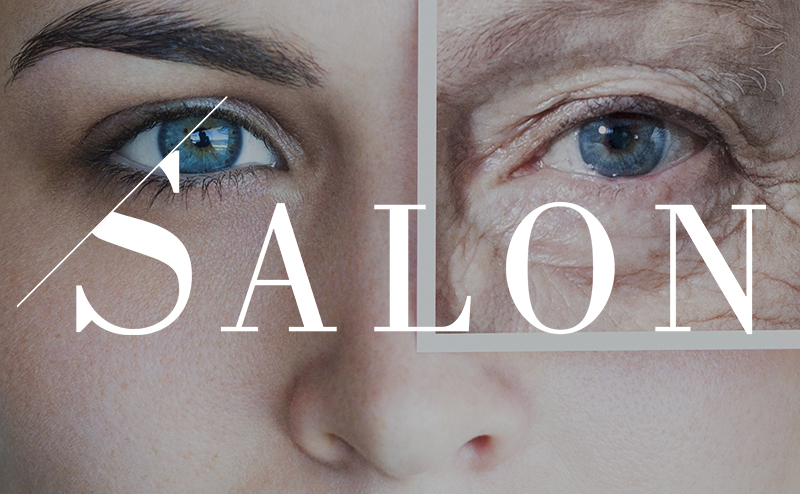
Are there limits to the human lifespan? Is it possible to stop the process of aging? On average, humans now live far longer than at any point in our history …