Search Icon





Using ultrasounds, inspecting tentacles, and making protective vests for penguins is all in a day’s work for aquatic biologist Pamela Schaller Hughes. Learn how she designs aquarium exhibits for endangered …
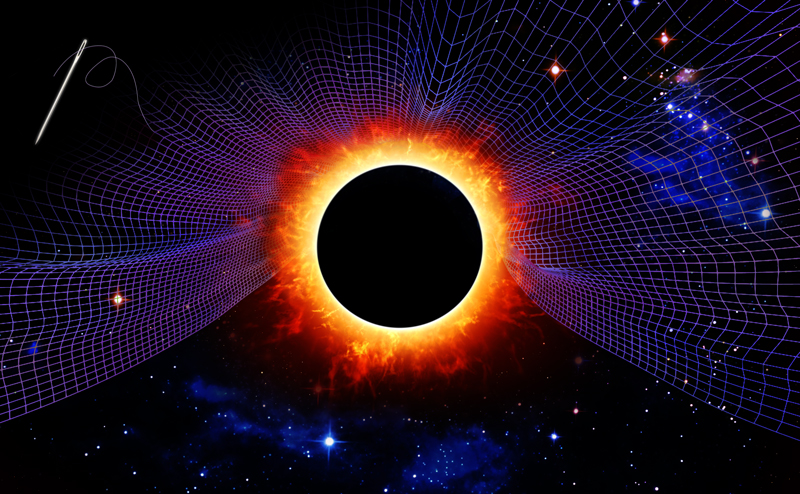
Ninety years after the historic double-slit experiment, the quantum revolution shows no sign of slowing. Join a vibrant conversation with renowned leaders in theoretical physics, quantum computation, and philosophical foundations, …

Forget what you think you know about dark matter. After a 30-year search for a single, as yet unidentified, species of dark matter particle that would make up some 25% of the mass of the universe, physicists are starting to consider novel explanations.

Nowadays, the tools for tracing your family tree have advanced far beyond looking back at names in the family Bible or compiling a scrapbook of paper records. Using your genetic information to find long-lost relatives is easier and cheaper than ever before—and scientists are looking to push the technology even further by analyzing our skin and facial features.
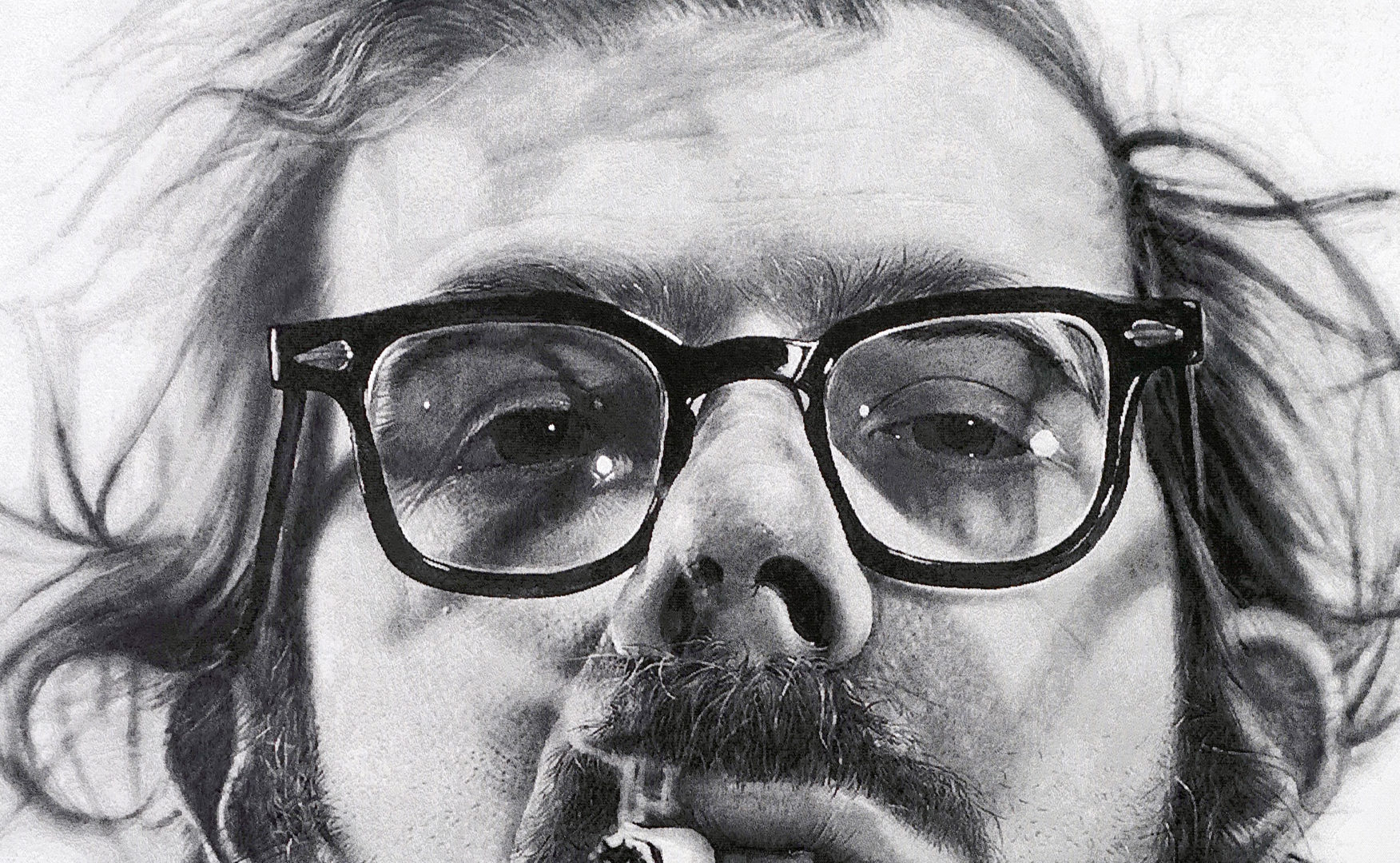
What makes Mona Lisa’s smile so intriguing? What makes Picasso’s portraits so compelling? Kurt Andersen hosts artists Chuck Close and Devorah Sperber, with neuroscientists Margaret Livingstone, Chris Tyler and Ken Nakayama, as they examine the power of brain imaging technology to illuminate how we perceive the most intimate yet public of features, the human face.
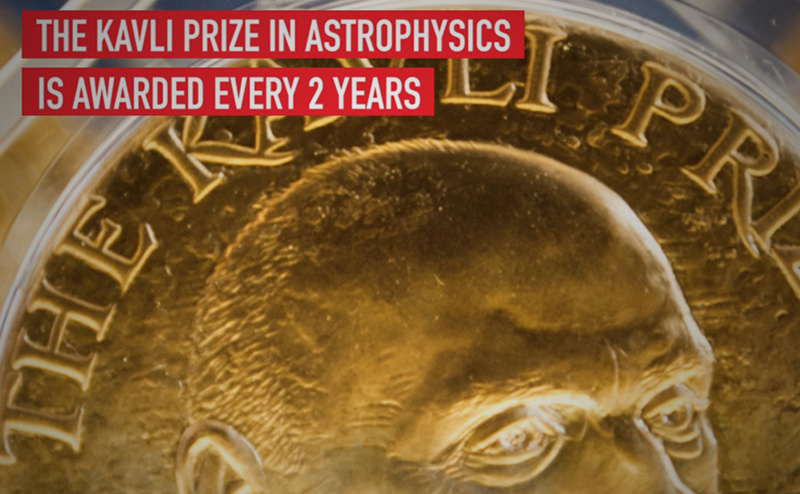
This video is part of our Brilliant Breakthroughs series: our new 20-episode mini-series exploring the “Eureka!” moments and proud accomplishments of the greatest scientific minds of our time. Join us …