Search Icon





Today, cryptography has moved beyond the realm of dilettantes and soldiers to become a sophisticated scientific art—combining mathematics, physics, computer science, and electrical engineering. It not only protects messages, but it also safeguards our privacy. From email to banking transactions, modern cryptography is used everywhere.
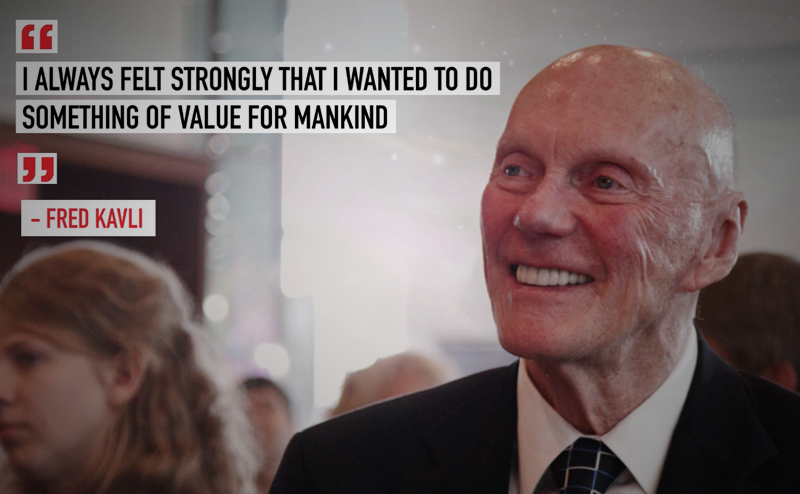
Fred Kavli, a Norwegian-born U.S. citizen, was a physicist, entrepreneur, business leader, innovator and philanthropist dedicated to supporting research and education that has a positive, long-term impact on the human …
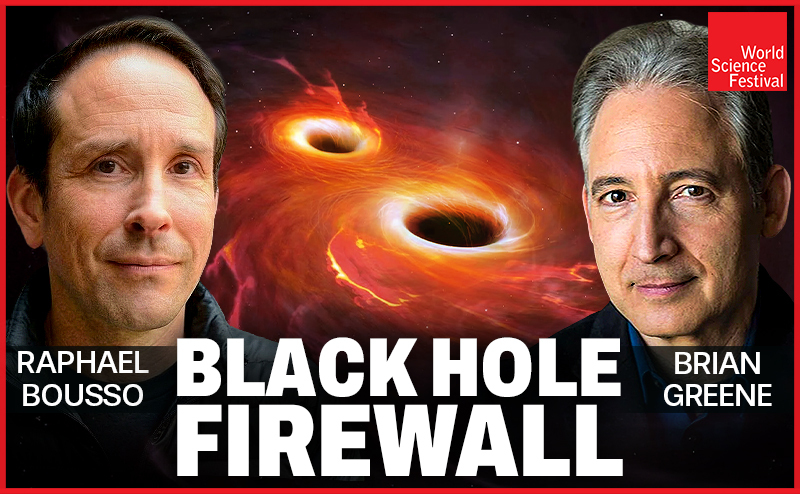
Brian Greene sits down with theoretical physicist Rafael Bousso to explore some of the deepest puzzles in modern physics. Their conversation centers on the black hole information paradox, one of …
Public debate, pitting atheist against believer, typically yields a polarized picture. Might a more nuanced conversation that transcends simplistic assertions, and weaves insights from physics, biology, and psychology provide a more fruitful exchange of ideas?
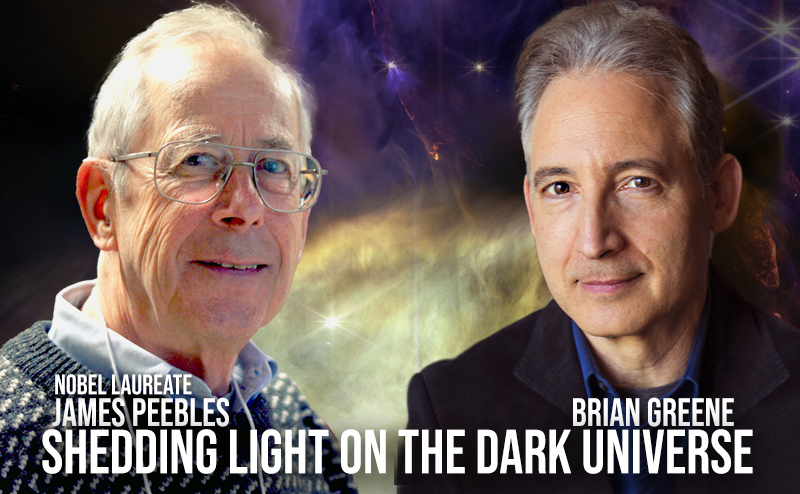
James Peebles, one of the world’s greatest cosmologists, has profoundly influenced our understanding of dark matter, dark energy, and the big bang, contributions that earned him the 2019 Nobel Prize …
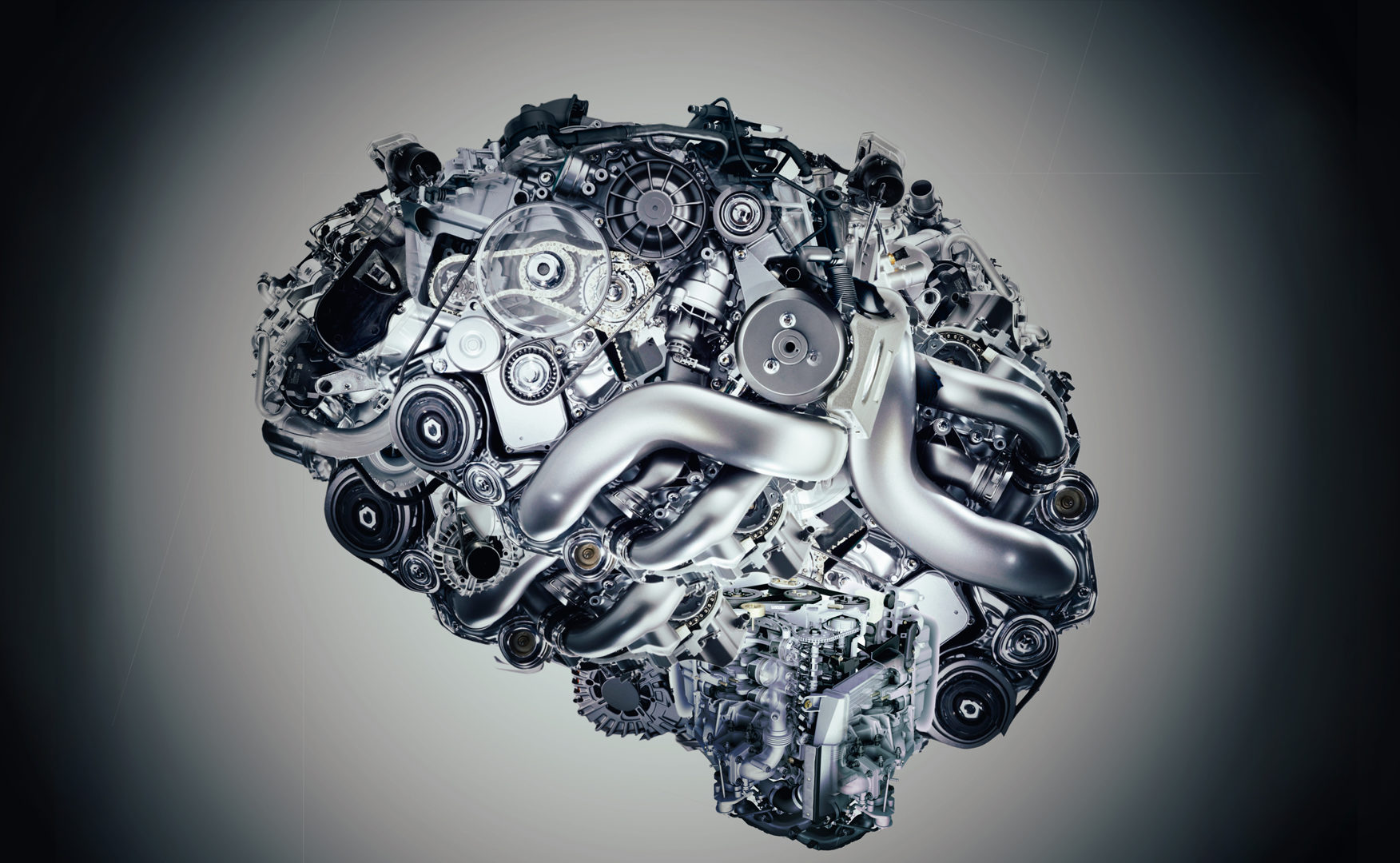
In recent years, machines have grown increasingly capable of listening, communicating, and learning—transforming the way they collaborate with us, and significantly impacting our economy, health, and daily routines. Who, or what, are these thinking machines? As we teach them to become more sophisticated, how will they complement our lives?