Search Icon




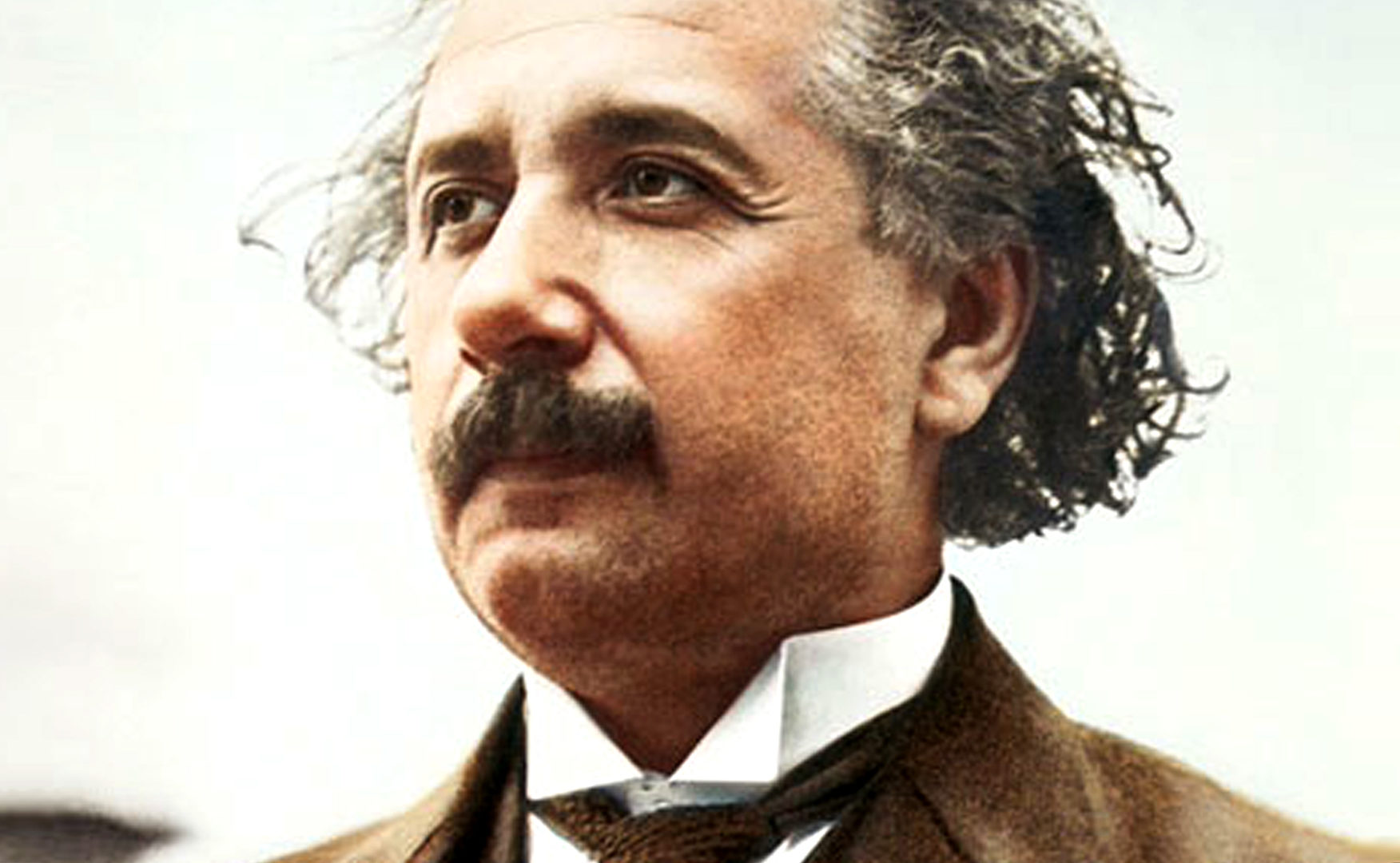
Albert Einstein spent his last thirty years unsuccessfully searching for a ‘unified theory’ — a single master principle to describe everything in the universe, from tiny subatomic particles to immense clusters of galaxies. In the decades since, generations of researchers have continued working toward Einstein’s dream.
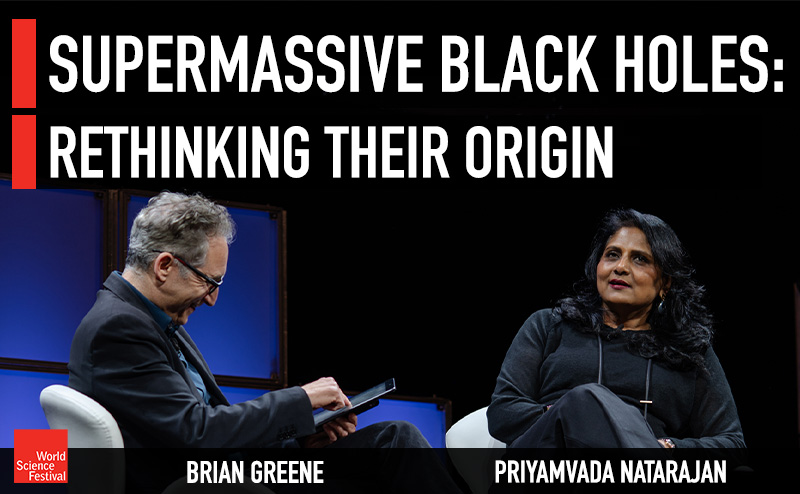
The mechanism of collapsing stars falls short of explaining the existence of supermassive black holes—giants that weigh millions or even billions of times the mass of the Sun. Astrophysicist Priya …

The notion of a “tortured genius” or “mad scientist” may be more than a romantic aberration. Research shows that bipolar disorder and schizophrenia correlate with high creativity and intelligence, raising tantalizing questions: What role does environment play in the path to mental illness?
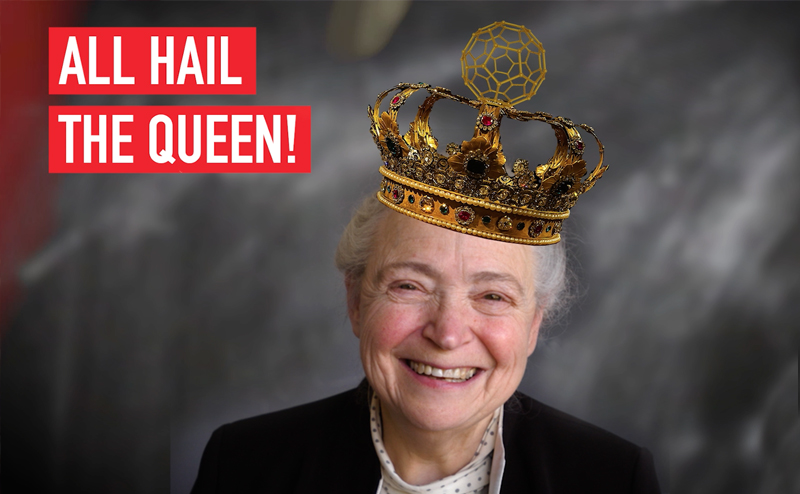
In 1955, a young scientist named Mildred Dresselhaus was told “women have no place in physics!”. Despite this, she became the “Queen of Carbon” and a champion of women in …
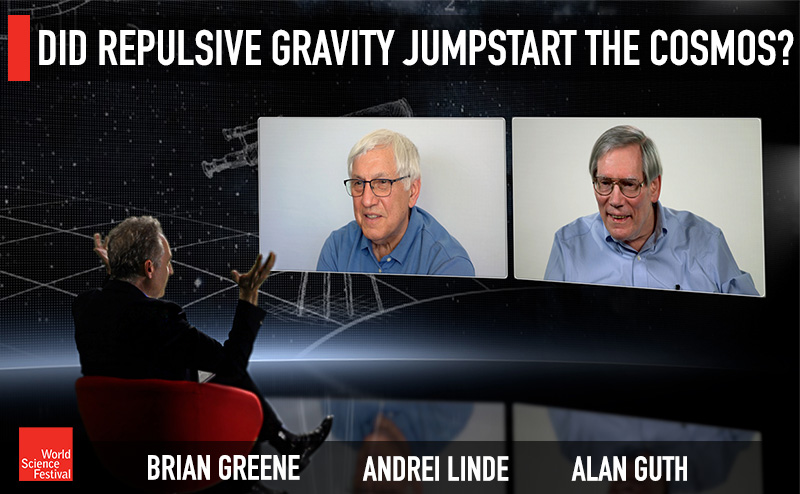
For decades, inflation has been the dominant cosmological scenario, but recently the theory has been subject to competition and critique. Two renowned pioneers of inflation — Alan Guth and Andrei …
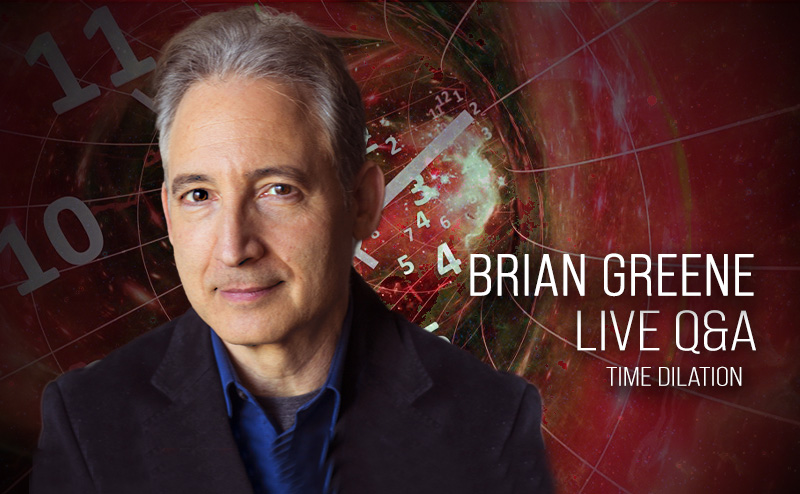
In his first World Science U Q+A session, Brian Greene takes questions on a variety of subjects including relativity, quantum, the cosmos and his WSU course, Space, Time and Einstein. …