Search Icon




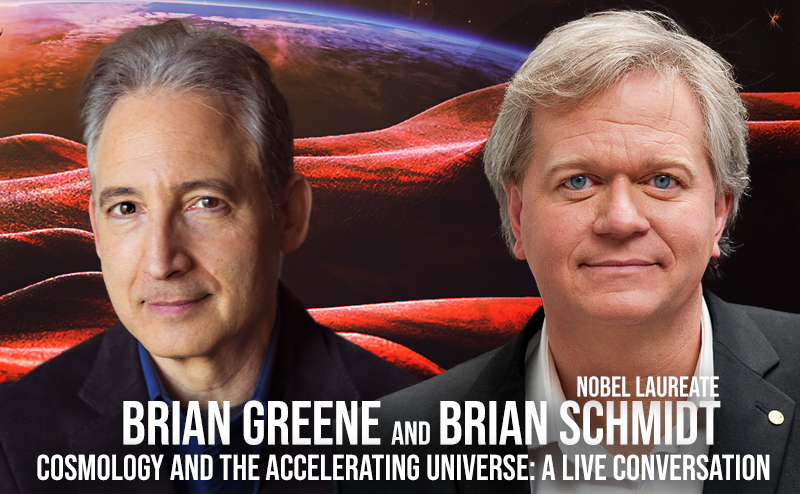
Brian Greene and Nobel Laureate Brian Schmidt engage in a wide-ranging conversation covering cosmology, the accelerating universe, and the role of science in shaping our future. This program is part …
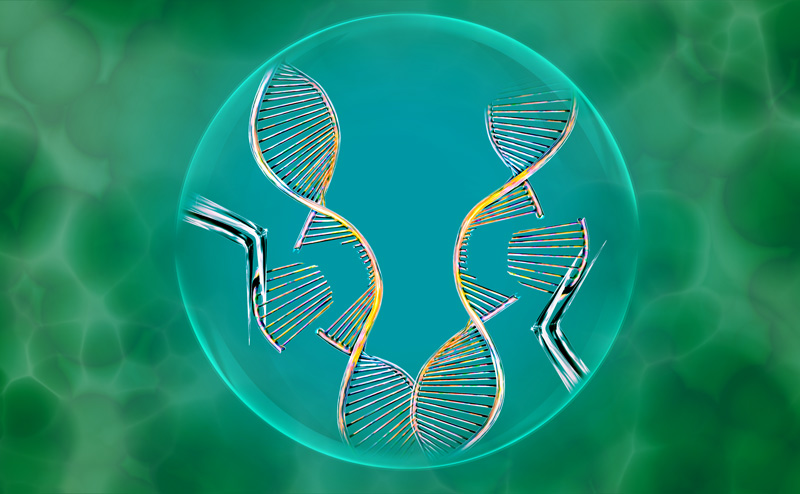
It’s happened. The first children genetically engineered with the powerful DNA-editing tool called CRISPR-Cas9 have been born to a woman in China. Their altered genes will be passed to their …
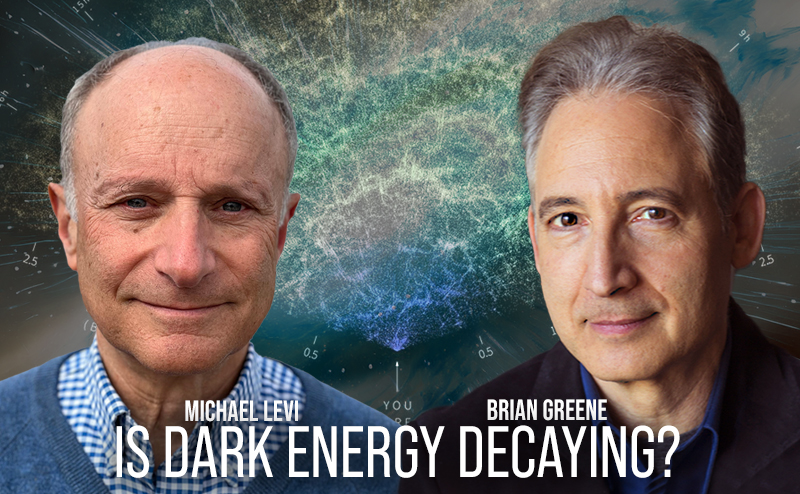
Brian Greene and Michael Levi discuss revolutionary observations that may upend our cosmological understanding. This program is part of the Big Ideas series, supported by the John Templeton Foundation.
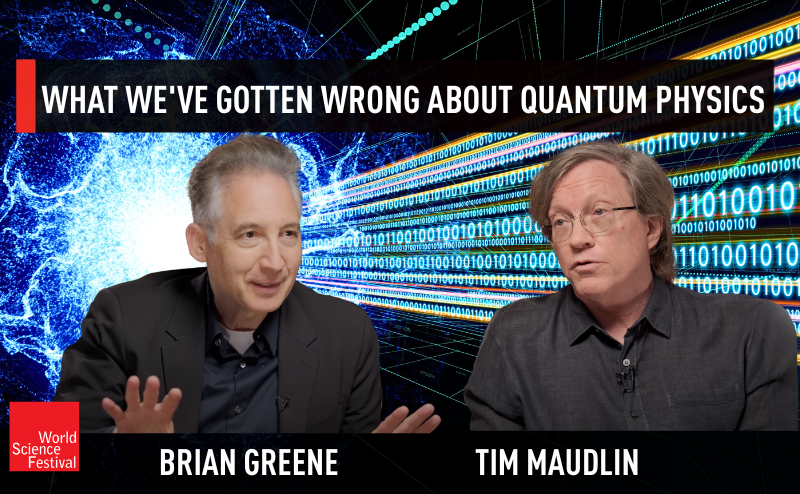
Are there unresolved foundational questions in quantum physics? Philosopher Tim Maudlin thinks so, and joins Brian Greene to explore possible answers. This program is part of the Big Ideas series, …
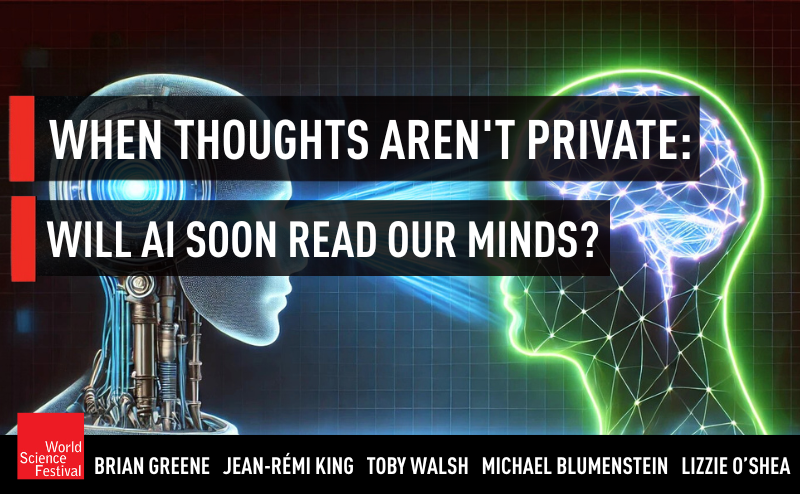
Leading researchers join Brian Greene to explore how AI is pushing mind reading technologies rapidly forward. This program is part of the Big Ideas series, supported by the John Templeton …

Brian Greene and physicist Samir Mathur explore one of the deepest puzzles in modern physics, the true nature of black holes and the fate of information in the universe. Their …