Search Icon




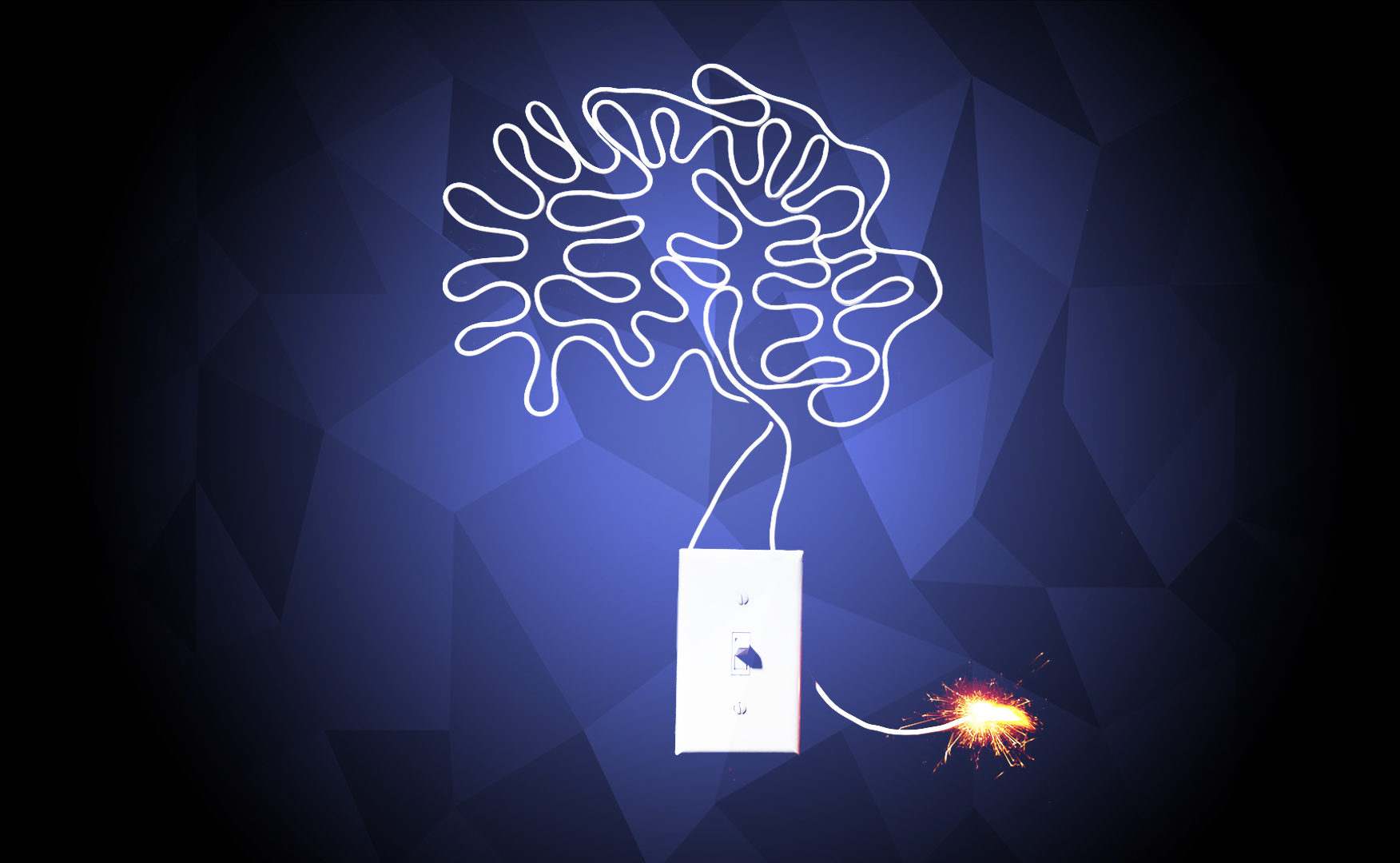
At present, our brains are mostly dependent on all the stuff below the neck to turn thought into action. But advances in neuroscience are making it easier than ever to hook machines up to minds.
#YourDailyEquation with Brian Greene offers brief and breezy discussions of the most pivotal equations of the ages. Even if your math is a bit rusty, these accessible and exciting stories …
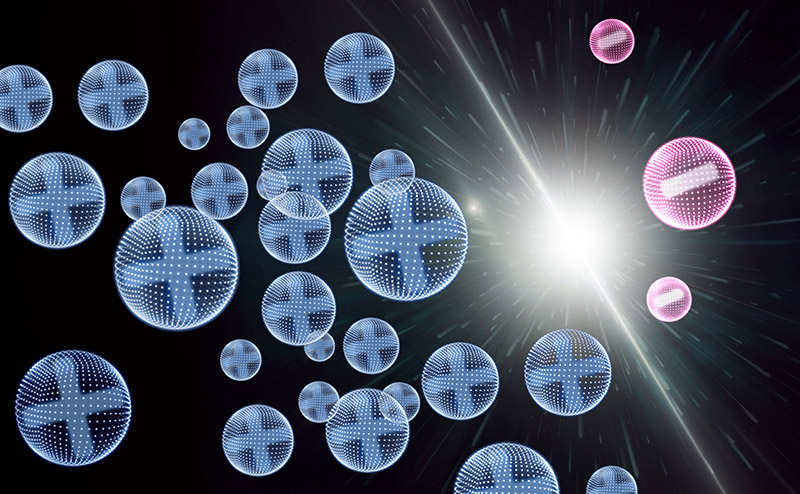
You exist. You shouldn’t. Stars and galaxies and planets exist. They shouldn’t. The nascent universe contained equal parts matter and antimatter that should have instantly obliterated each other, turning the …
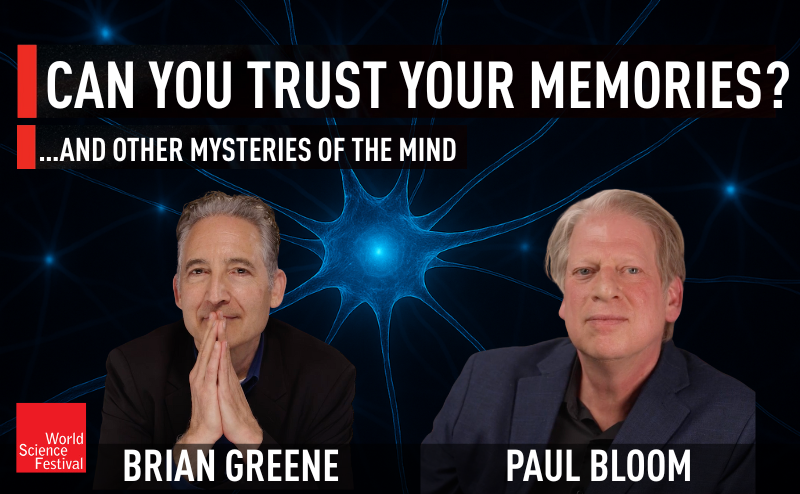
Psychologist Paul Bloom joins Brian Greene for a spirited exploration of consciousness, memory, empathy, free will, and the elusive workings of the human mind. This program is part of the …
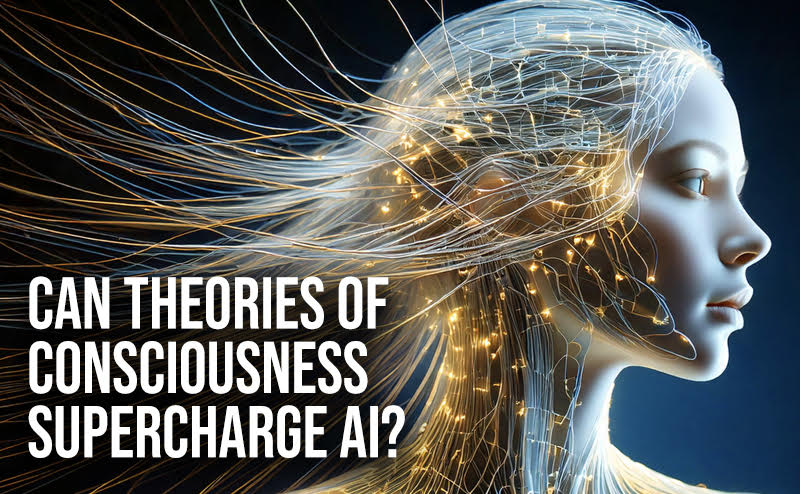
Some researchers propose that advancing AI to the next level will require an internal architecture that more closely mirrors the human mind. Rufin VanRullen joins Brian Greene to discuss early …
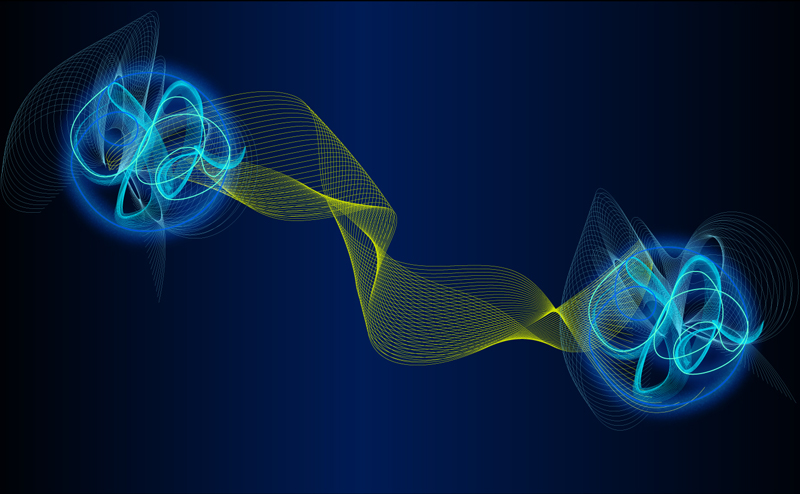
In 1935, Albert Einstein and two colleagues published a landmark paper revealing that quantum mechanics allows widely separated objects to influence one another, even though nothing travels between them. Einstein called it spooky and rejected the idea, arguing instead that it exposed a major deficiency in the quantum theory.