Search Icon



It’s an old question: What is consciousness? Today, sophisticated brain imaging technologies, clinical studies, as well as the newfound ability to listen to the whisper of even an individual nerve cell, are bringing scientists closer than ever to the neurobiological basis of consciousness.

Though many animals display cooperative behavior, human cooperation is distinct. Alan Alda hosts E.O. Wilson, Sarah Hrdy and other leading evolutionary biologists, anthropologists and humanitarians as they examine the origins and evolution of human cooperative behavior.
For all that Darwin contributed to our understanding of the biological world, he was haunted by one vexing question: How does the incremental process of evolution suddenly produce, say, humans—animals who walk upright, communicate through language, and possess the brainpower to travel to the moon?
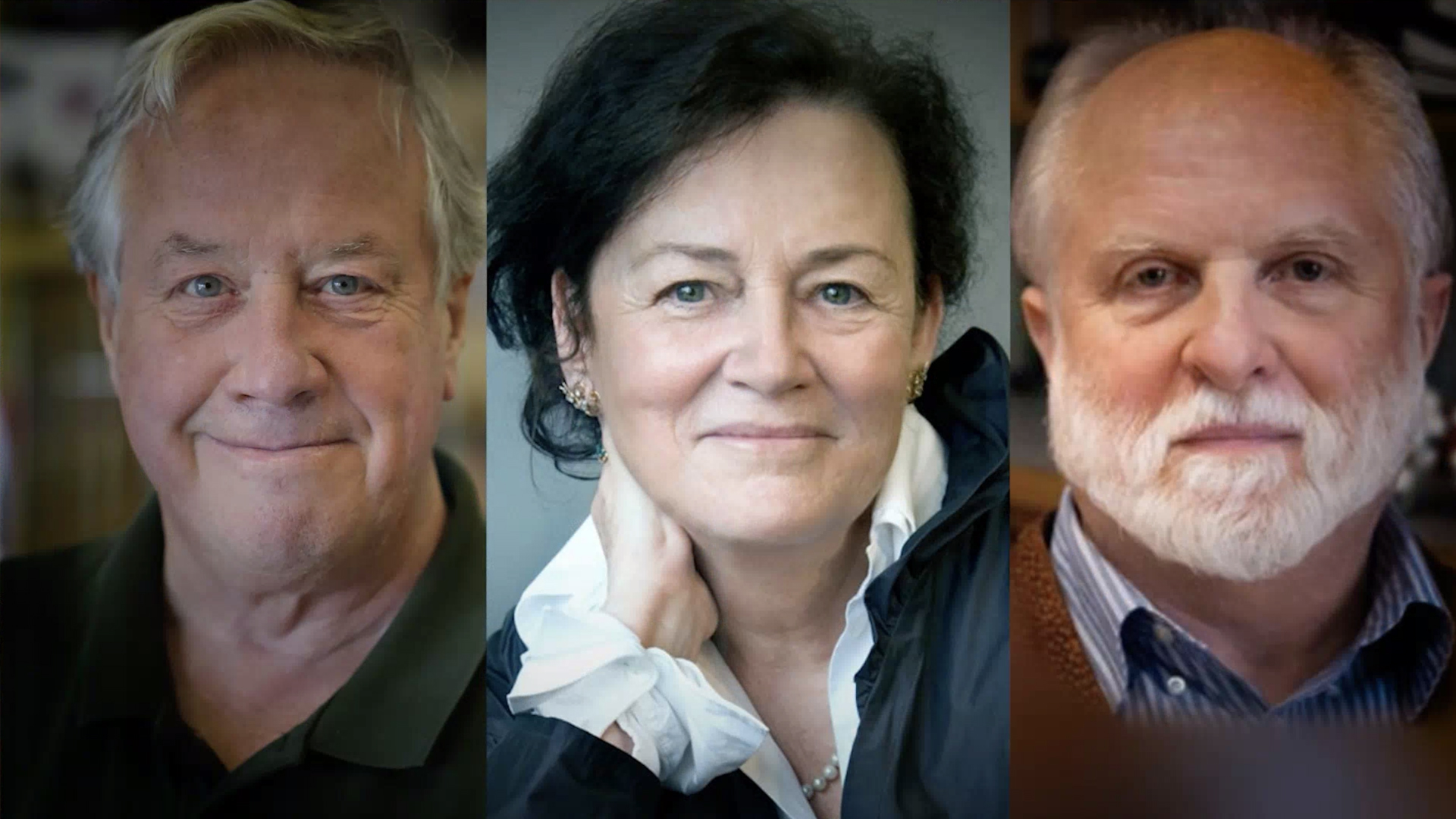
The Winners Of The 2018 Kavli Prize In Neuroscience are James Hudspeth, Robert Fettiplace and Christine Petit for their groundbreaking research unraveling the mysteries of how we hear. 2018 marks …
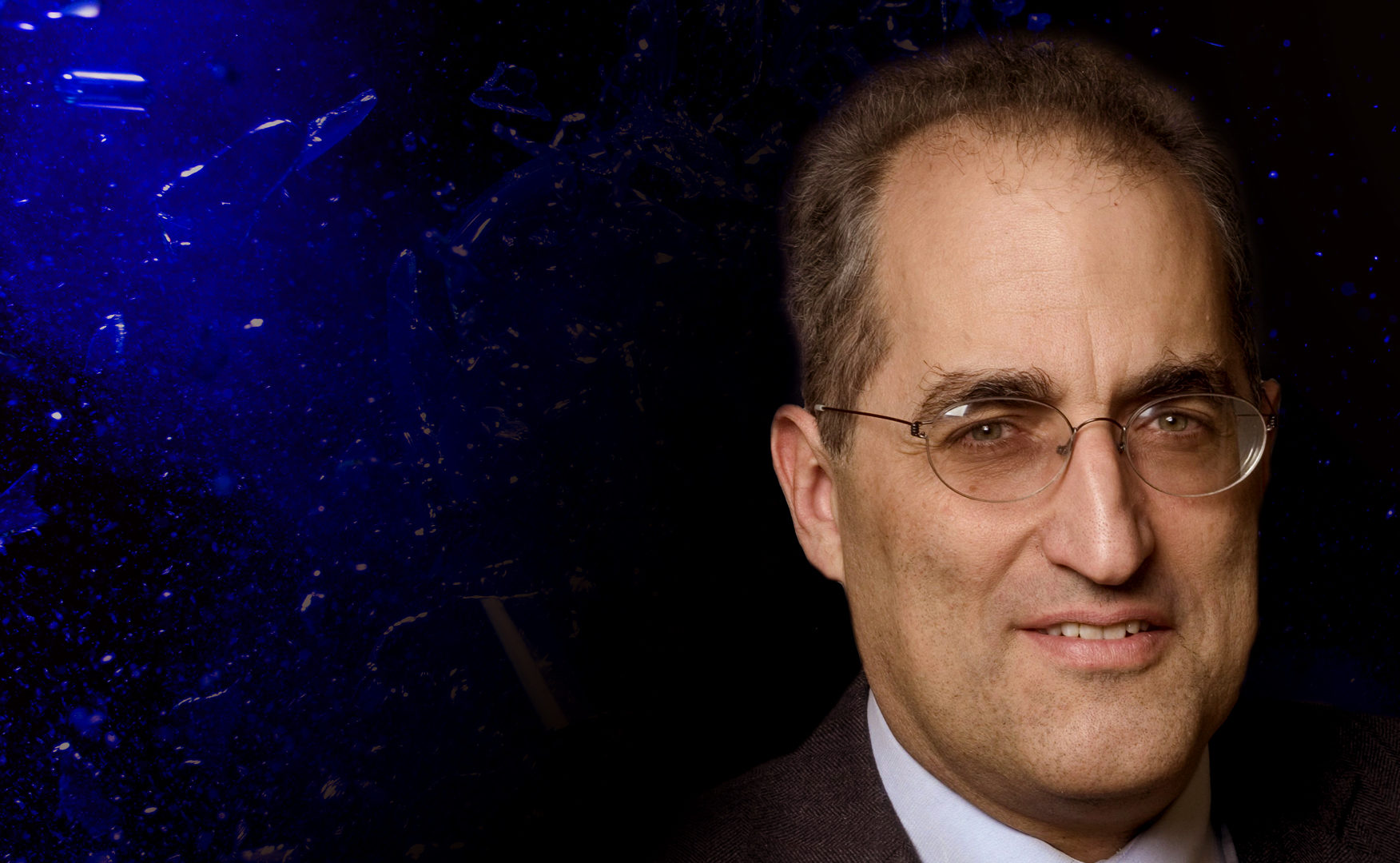
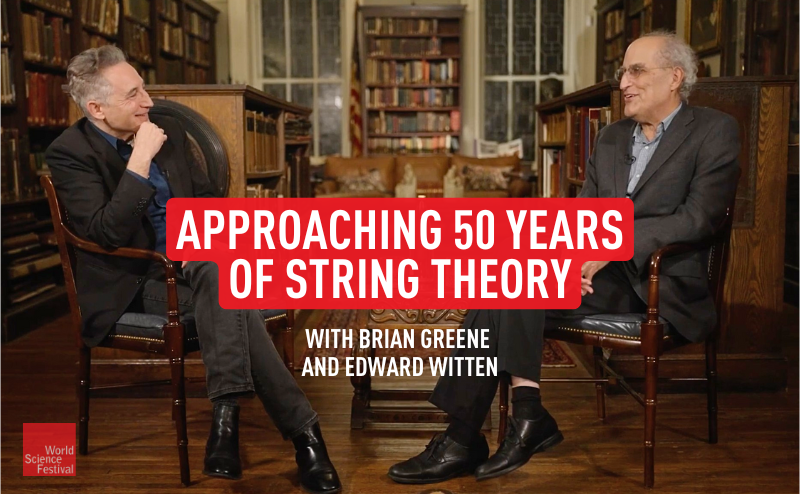
Professor Witten is a leading light of superstring theory and the only physicist to have won the vaunted Fields Medal, mathematics’ highest honor. Known for advancing a number of novel approaches in mathematics and physics, Witten opened up new vistas in 1995 when he unified five seemingly competing superstring theories into M-theory, which seeks to unify Einstein’s general theory of relativity with quantum mechanics.
Does your dog really think and feel like a human? Do our closest primate relatives have brains and emotions similar to ours? What about the storied intelligence of dolphins and singing humpback whales? And do other species hold surprises for us if we’re willing to look closely?