Search Icon





Join us for #YourDailyEquation with Brian Greene. Every Mon – Fri at 3pm EDT, Brian Greene will offer brief and breezy discussions of pivotal equations. Even if your math is a …
Our age is marked by the proliferation of information, and yet we can’t agree. Science is supposed to be neutral, and yet it has generated some of the deepest societal …
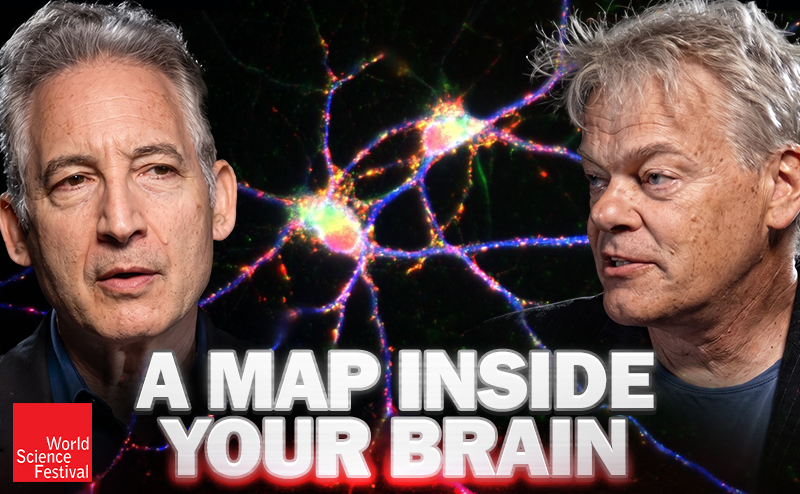
Psychologist Paul Bloom joins Brian Greene for a spirited exploration of consciousness, memory, empathy, free will, and the elusive workings of the human mind. This program is part of the …
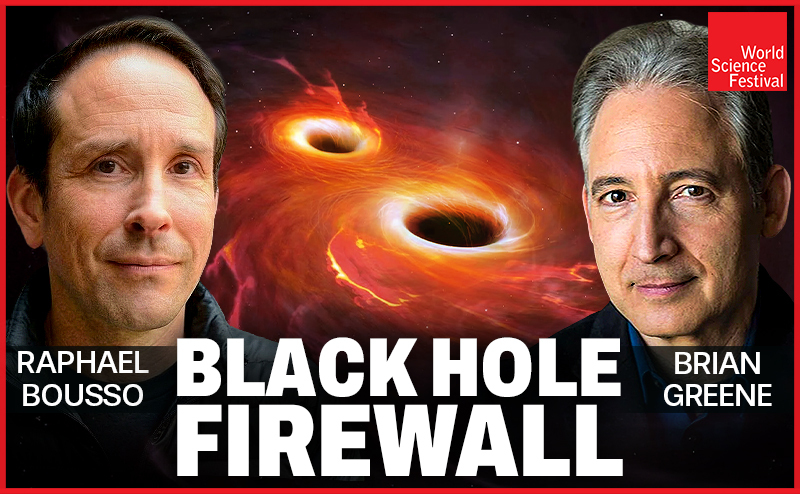
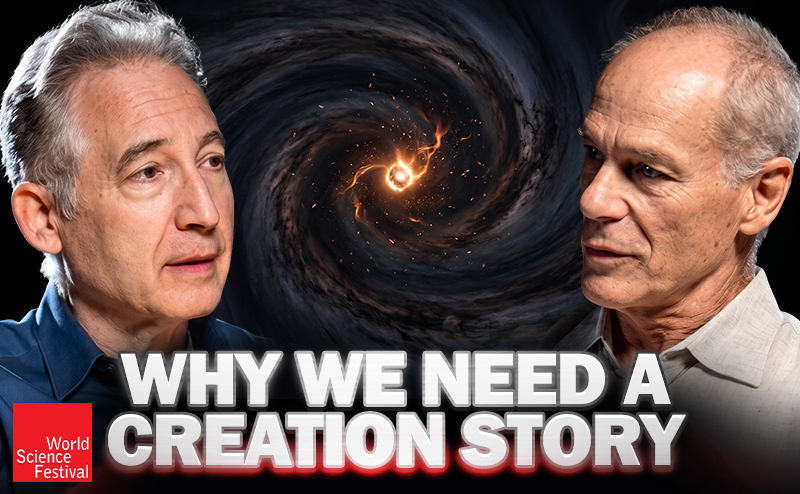
Brian Greene sits down with theoretical physicist Rafael Bousso to explore some of the deepest puzzles in modern physics. Their conversation centers on the black hole information paradox, one of …
The history of computers is a history of competition and collaboration: Innovators have worked together, but also clashed over the place of computers in society and how they should function.
How do we learn to speak? What is the connection between language and movement? Join a broad and distinguished panel of biologists, psychologists, neuroscientists, philosophers, musicians and writers.