Search Icon




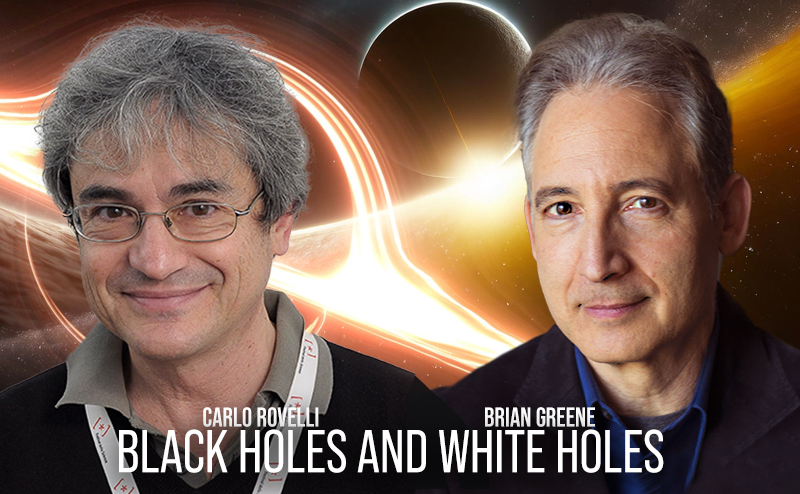
Progress in the last decade has established that black holes are real, but what about their time-reversed cousins, white holes? Renowned physicist and author Carlo Rovelli joins Brian Greene to …
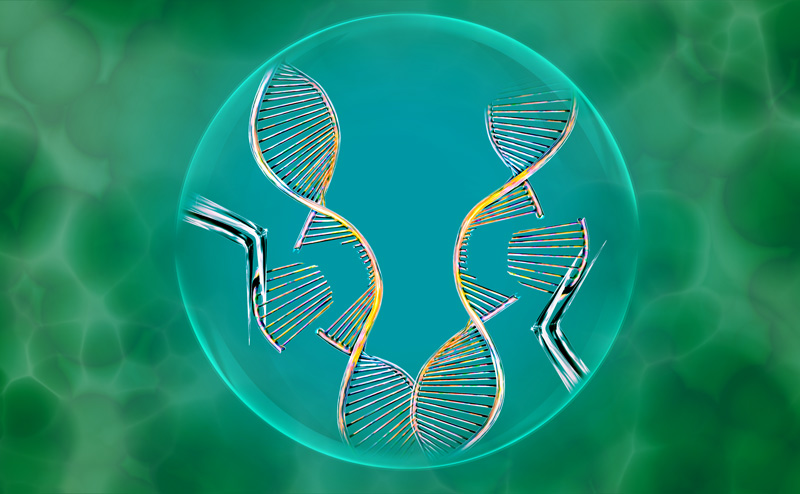
It’s happened. The first children genetically engineered with the powerful DNA-editing tool called CRISPR-Cas9 have been born to a woman in China. Their altered genes will be passed to their …

Join us for #YourDailyEquation with Brian Greene. Every Mon – Fri at 3pm EDT, Brian Greene will offer brief and breezy discussions of pivotal equations. Even if your math is a …
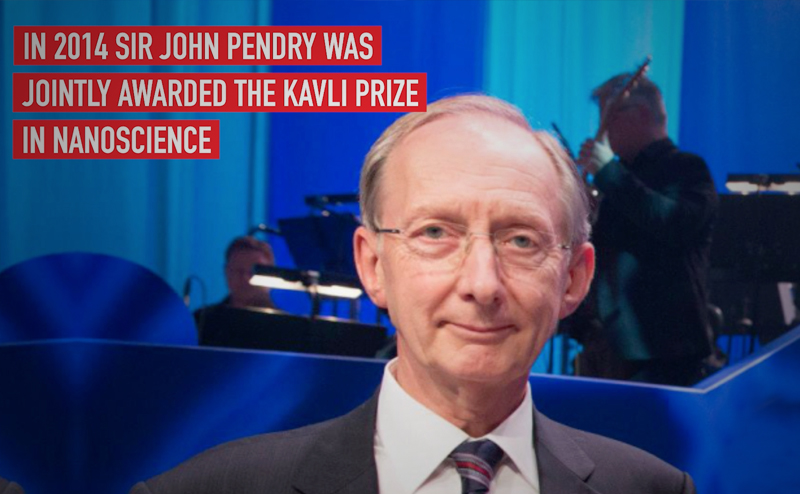
This video is part of our Brilliant Breakthroughs series: our new 20-episode mini-series exploring the “Eureka!” moments and proud accomplishments of the greatest scientific minds of our time. Join us …
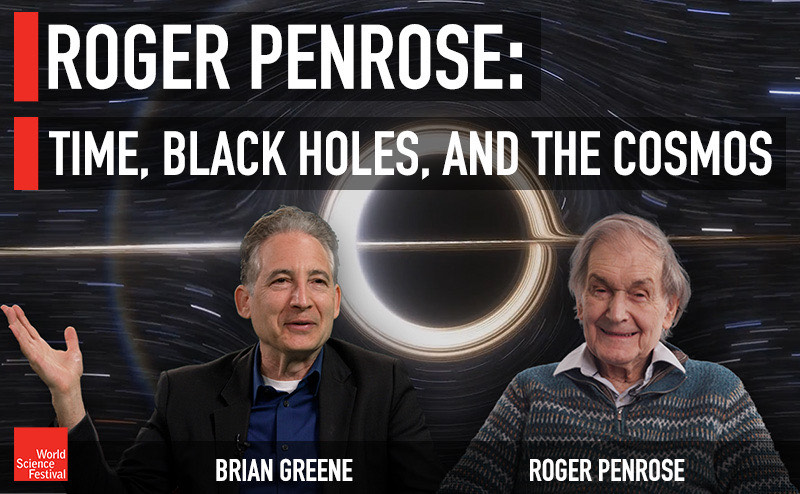
Nobel Laureate Roger Penrose joins Brian Greene to explore some of his most iconic insights into the nature of time, black holes, and cosmological evolution. This program is part of …
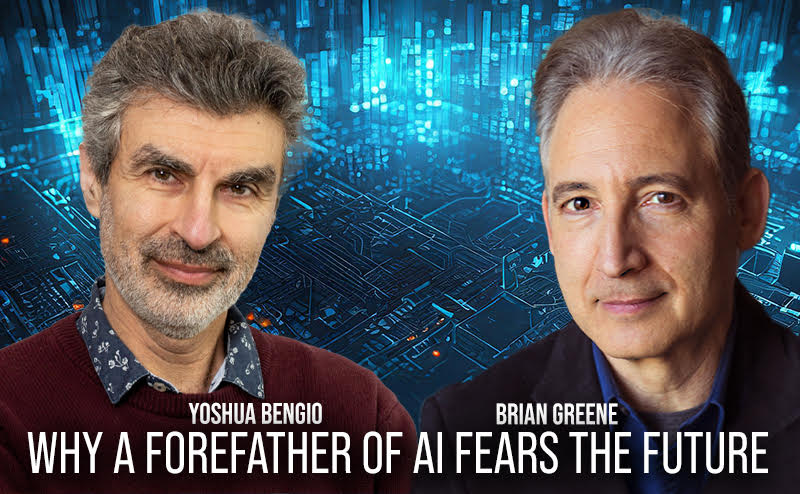
A renowned AI pioneer explores humanity’s possible futures in a world populated with ever more sophisticated mechanical minds. This program is part of the Big Ideas series, supported by the …