Search Icon




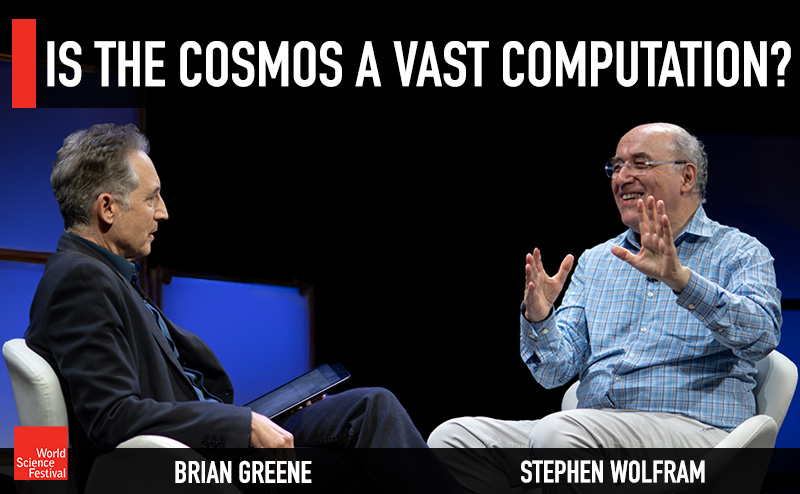
Pioneering computer scientist and physicist Stephen Wolfram joins Brian Greene to discuss the interplay between physical law, computation, and artificial intelligence.
Powerful new genetic tools allow scientists to alter the DNA of any organism—with tests on human embryos already underway. Even more ambitious, synthetic biologists on the verge of creating the genetic material for a living organism from scratch are setting their long-term sites on fashioning a fully synthetic human genome.
As long ago as the early 19th century, the poet Keats bemoaned the washing away of the world’s beauty and mystery in the wake of natural philosophy’s reductionist insights—its tendency …

How much brain do you need to be smart? Bees and ants perform marvels as colonies, though each insect has barely any brain. And plants—with no brain at all—exhibit behaviors …

Car accidents. Suicide bombers. Earthquakes. Death of a spouse. Why do some people bounce back from traumatic events while others do not? Is there a biological profile of resiliency?
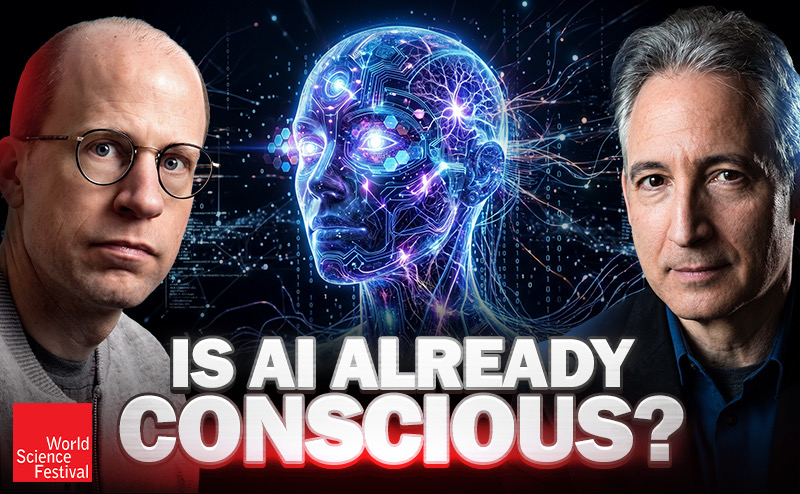
Does our intelligence, creativity, or consciousness make us unique? Brian Greene sits down with Nick Bostrom, author of Superintelligence and Deep Utopia, to explore how AI systems are already reshaping …