Search Icon



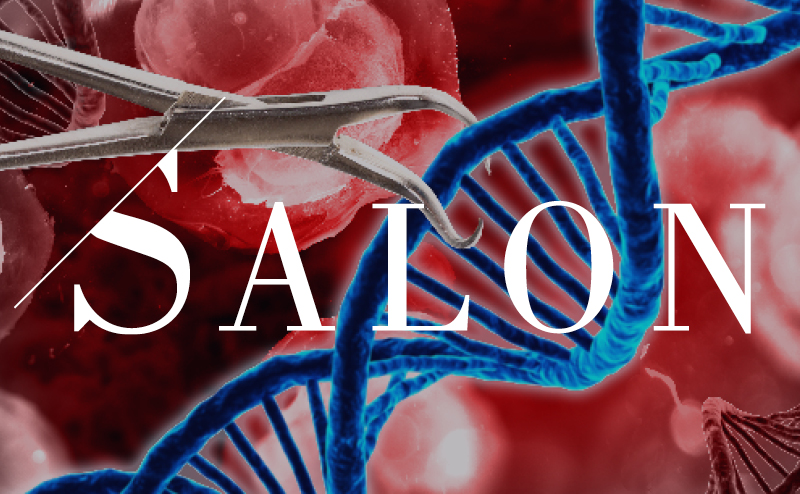
Just a handful of technologies deserve to be called “game changers”—and CRISPR-Cas9, the new gene-editing tool, is one of them. Discovered just three years ago, CRISPR is sweeping through labs around the world and researchers are already using it to experiment on diseases.
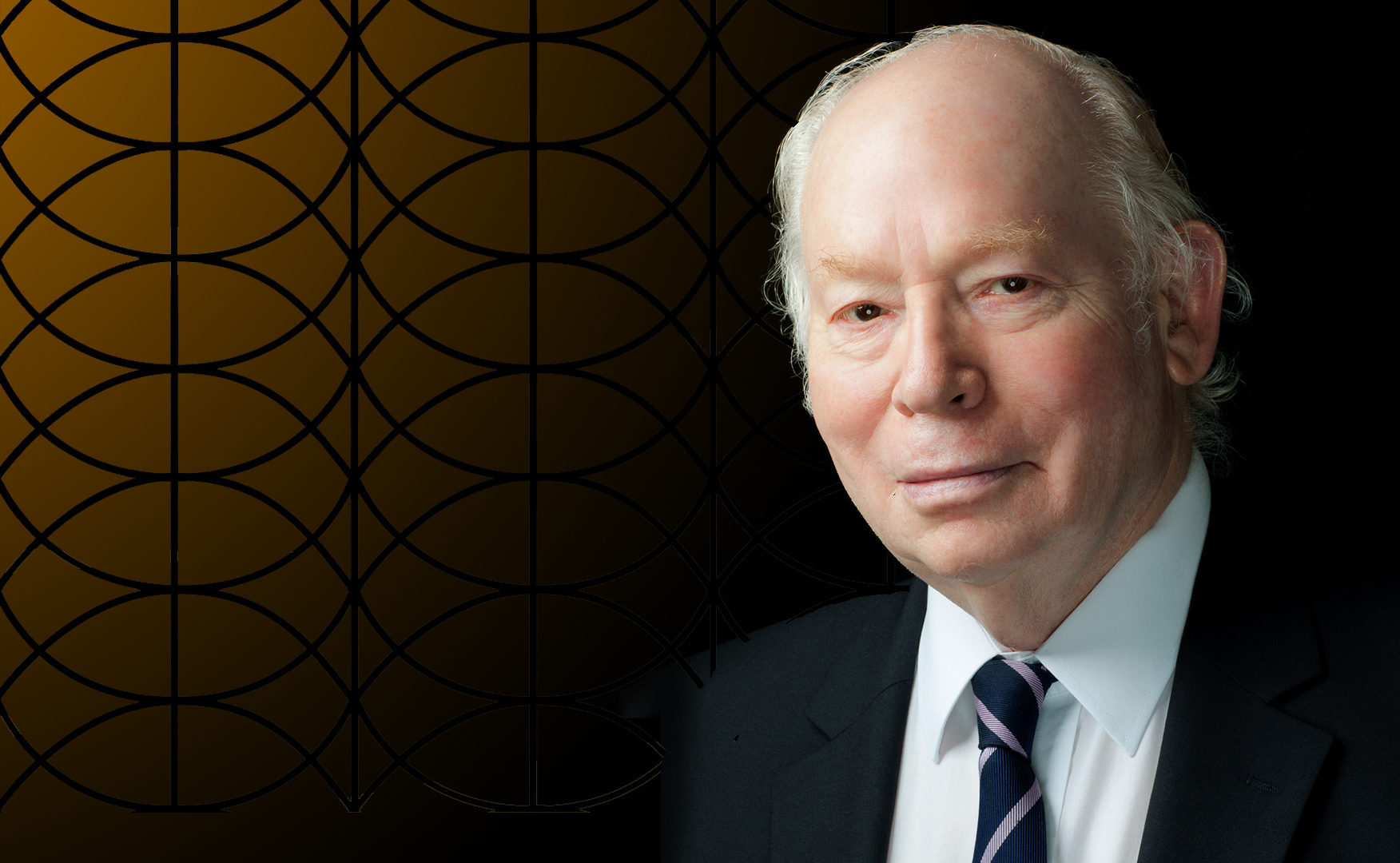
For this year’s inaugural address, “The Future of Big Science,” Nobel laureate and physicist Steven Weinberg considers the future of fundamental physics, especially as funding for basic research is reduced. Weinberg will explore physics’ small origins, starting with the discovery of the atomic nucleus 100 years ago by a single scientist.
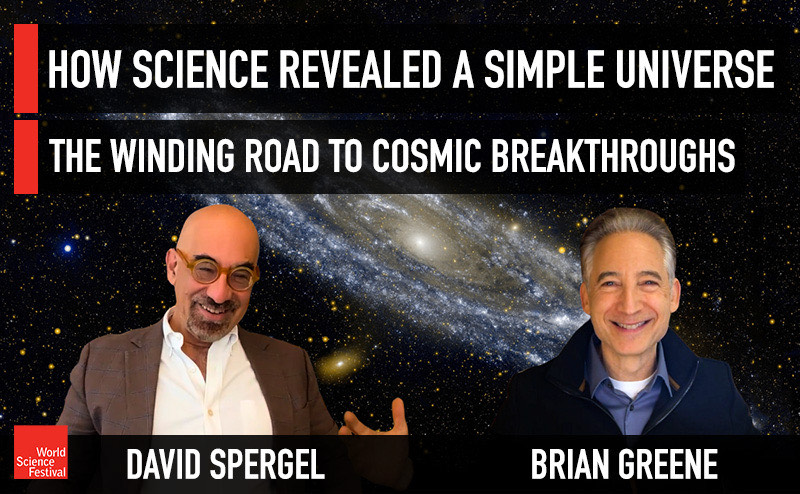
Renowned cosmologist David Spergel joins Brian Greene to discuss the triumphs and tensions of precision cosmology, exploring remarkable successes as well as persistent discrepancies bedeviling current understanding. This program is …
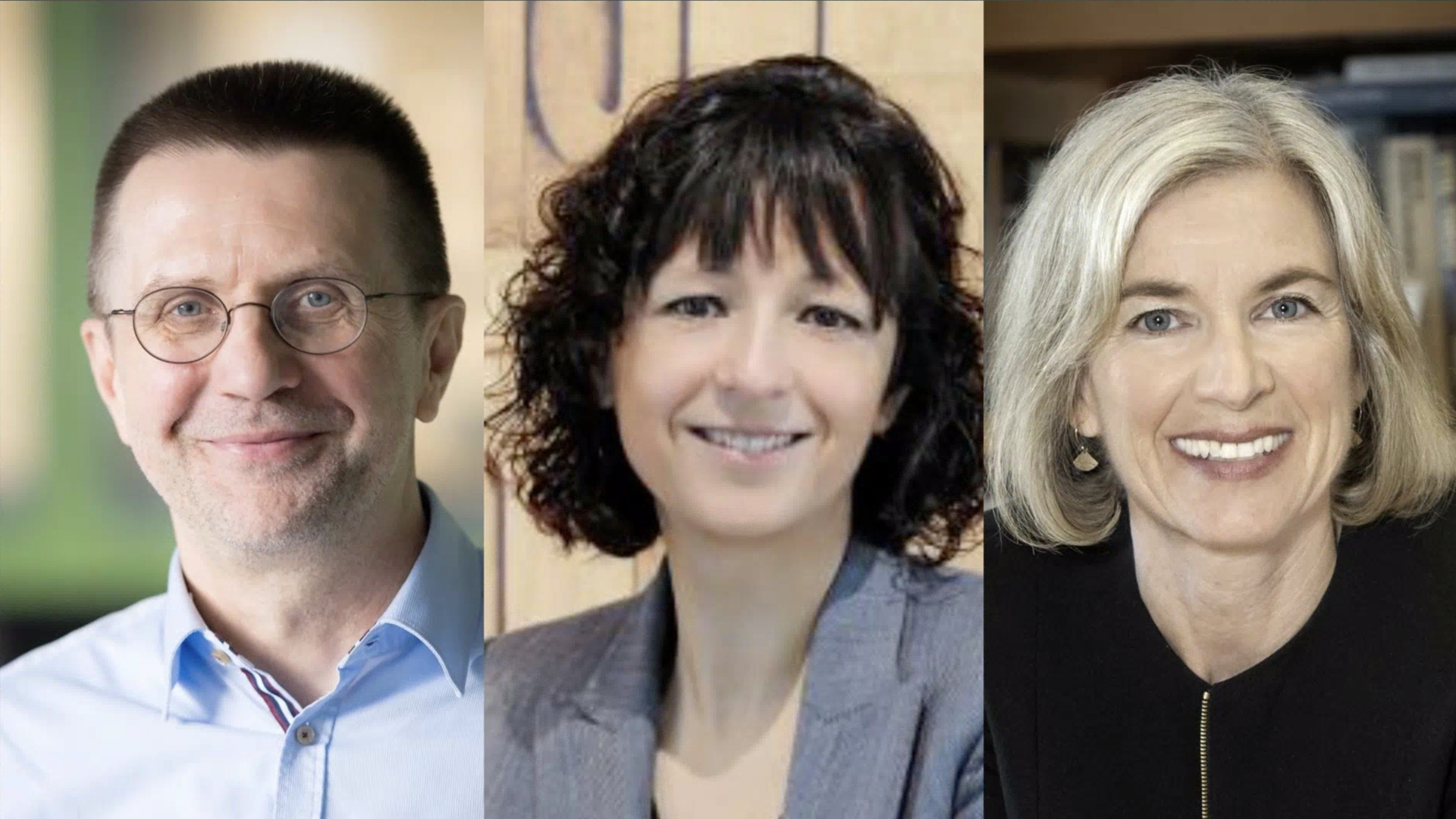
The winners of the 2018 Kavli Prize In Nanoscience Are Jennifer Doudna, Emmanuelle Charpentier and Virginijus Siksnys for pioneering work on Crispr-cas9. 2018 marks the tenth anniversary of the prestigious …

“Because it’s there” was George Mallory’s famous explanation for why he risked (and lost) his life trying to become the first person to summit Everest. We don’t all want to …
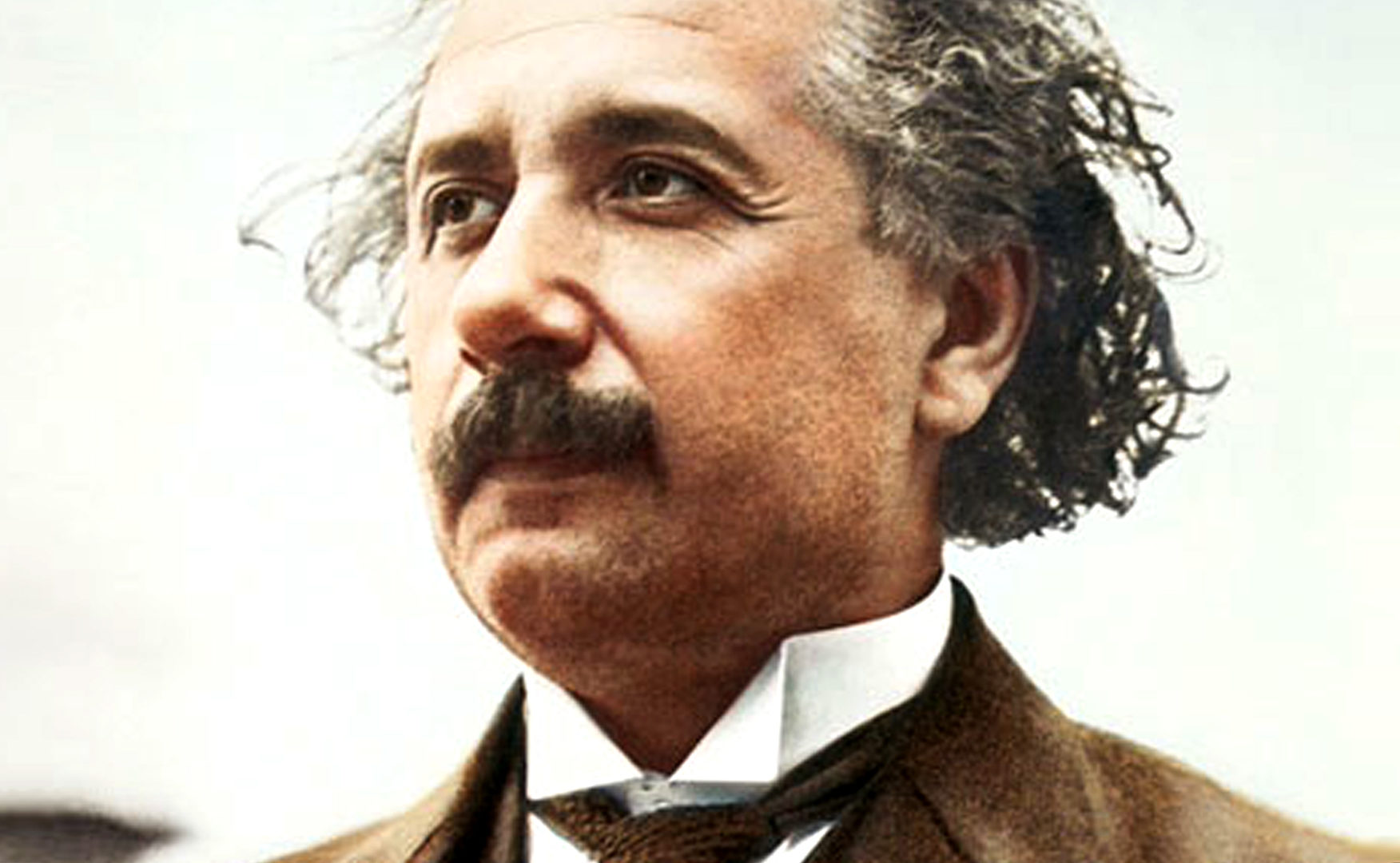
Albert Einstein spent his last thirty years unsuccessfully searching for a ‘unified theory’ — a single master principle to describe everything in the universe, from tiny subatomic particles to immense clusters of galaxies. In the decades since, generations of researchers have continued working toward Einstein’s dream.