Search Icon



Microscopic, manmade nanoparticles have found their way into almost every part of our daily lives from clothing, to skin care, our cell phones, and even the soil. But how safe …

This statement is false. Think about it, and it makes your head hurt. If it’s true, it’s false. If it’s false, it’s true. In 1931, Austrian logician Kurt Gödel shocked the worlds of mathematics and philosophy by establishing that such statements are far more than a quirky turn of language: he showed that there are mathematical truths which simply can’t be proven.
For all that Darwin contributed to our understanding of the biological world, he was haunted by one vexing question: How does the incremental process of evolution suddenly produce, say, humans—animals who walk upright, communicate through language, and possess the brainpower to travel to the moon?
Mathematical mysteries have challenged humanity’s most powerful thinkers and inspired passionate, lifelong obsessions in search of answers. From the strangeness of prime numbers and the nature of infinity, to the turbulent flow of fluids and the geometry of hyperspace, mathematics is our most potent tool for revealing immutable truths.
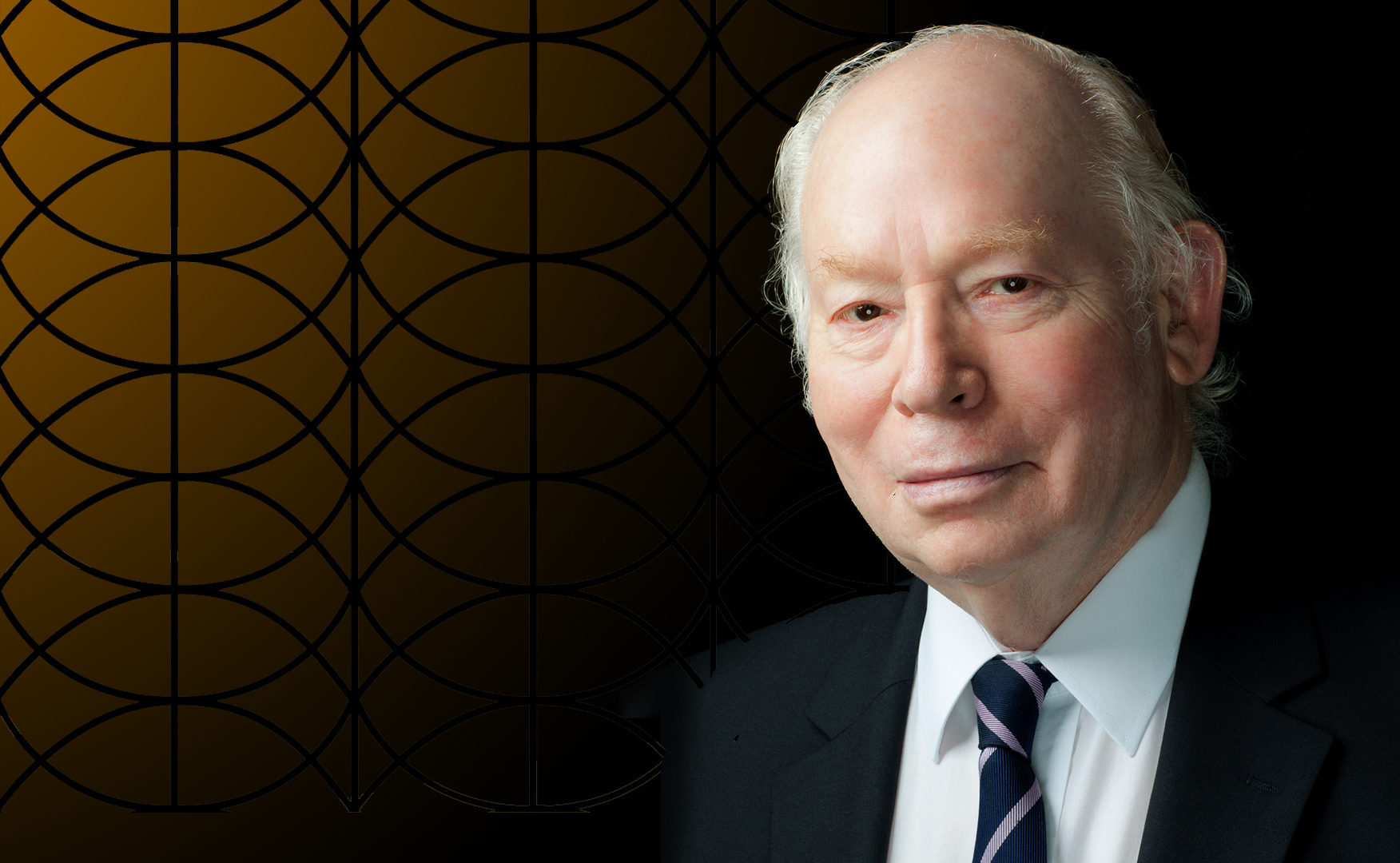
For this year’s inaugural address, “The Future of Big Science,” Nobel laureate and physicist Steven Weinberg considers the future of fundamental physics, especially as funding for basic research is reduced. Weinberg will explore physics’ small origins, starting with the discovery of the atomic nucleus 100 years ago by a single scientist.
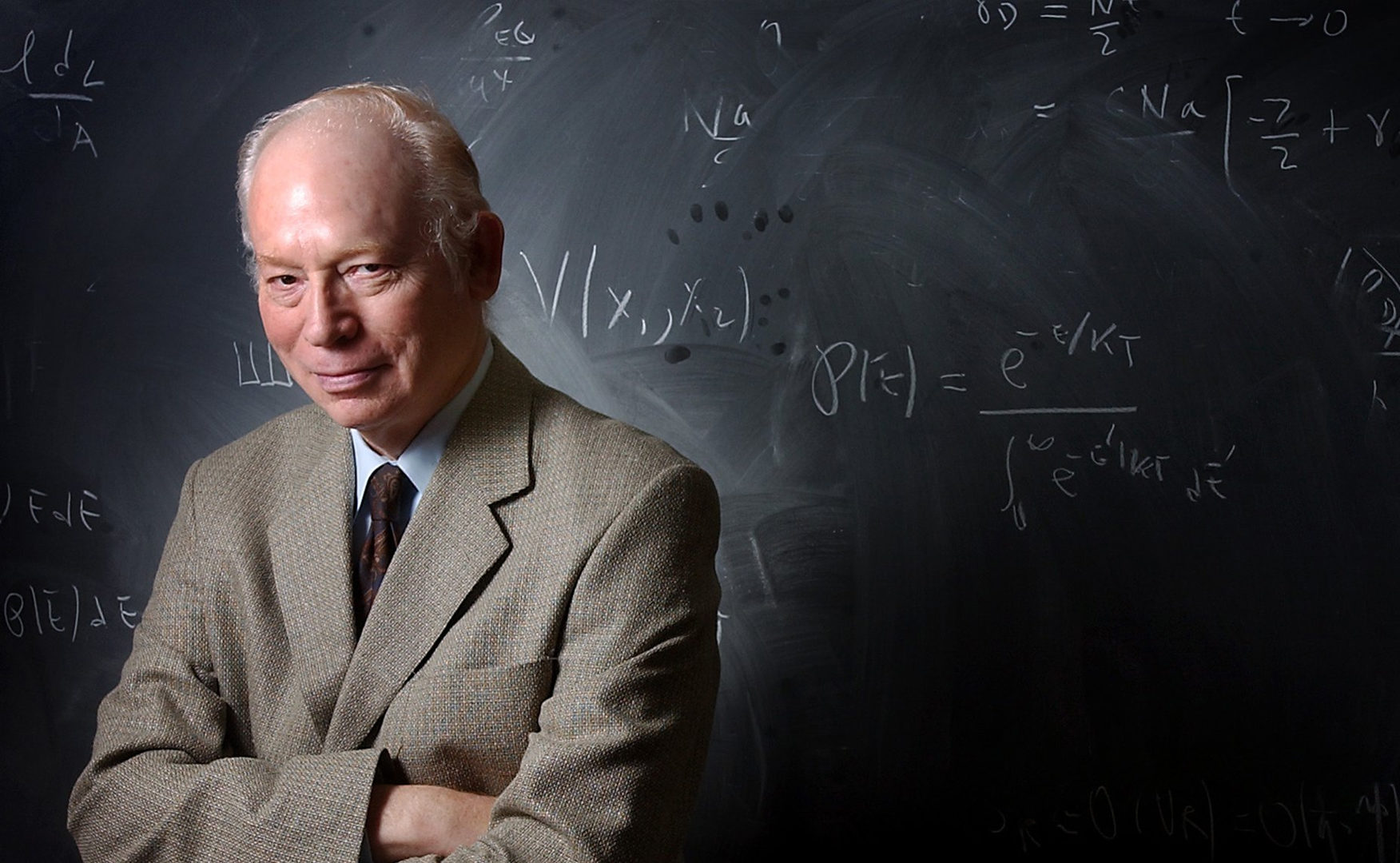
Nobel Prize-winning physicist Steven Weinberg spoke about science and history, drawing from his book “To Explain the World: The Discovery of Modern Science.”