Search Icon



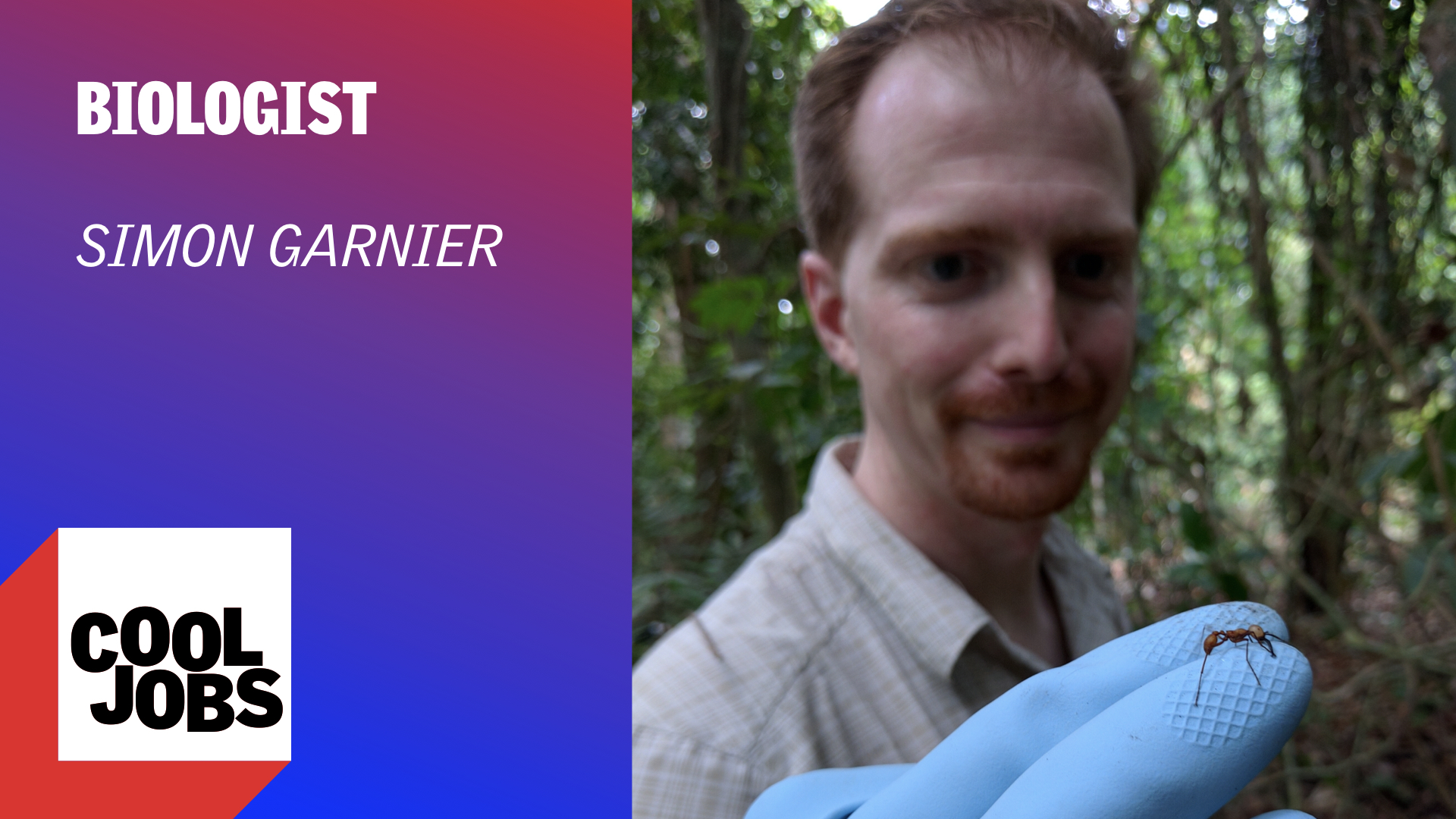
Watching ants and playing with robots is biologist Simon Garnier’s Cool Job as he studies how people and animals swarm in large groups. Garnier discovers these animals work together to …
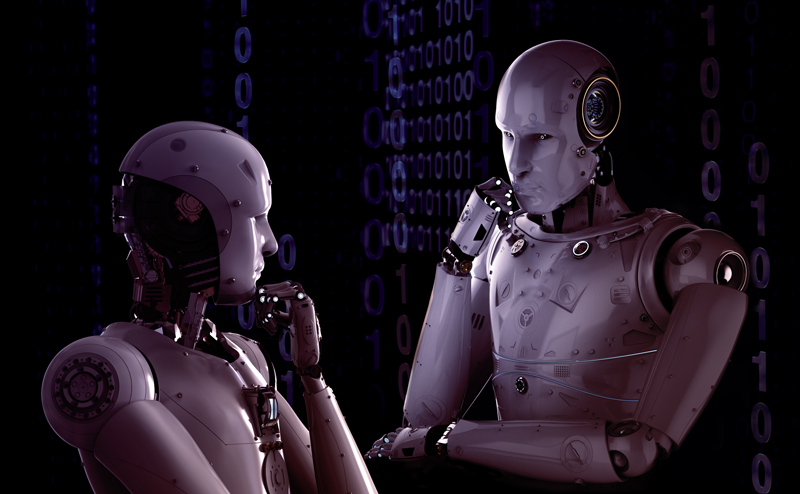
Join Turing Prize winner Yann LeCun and other pioneers in artificial intelligence for a no-nonsense discussion of whether a truly intelligent machine can be created—and, if so, how and when. …
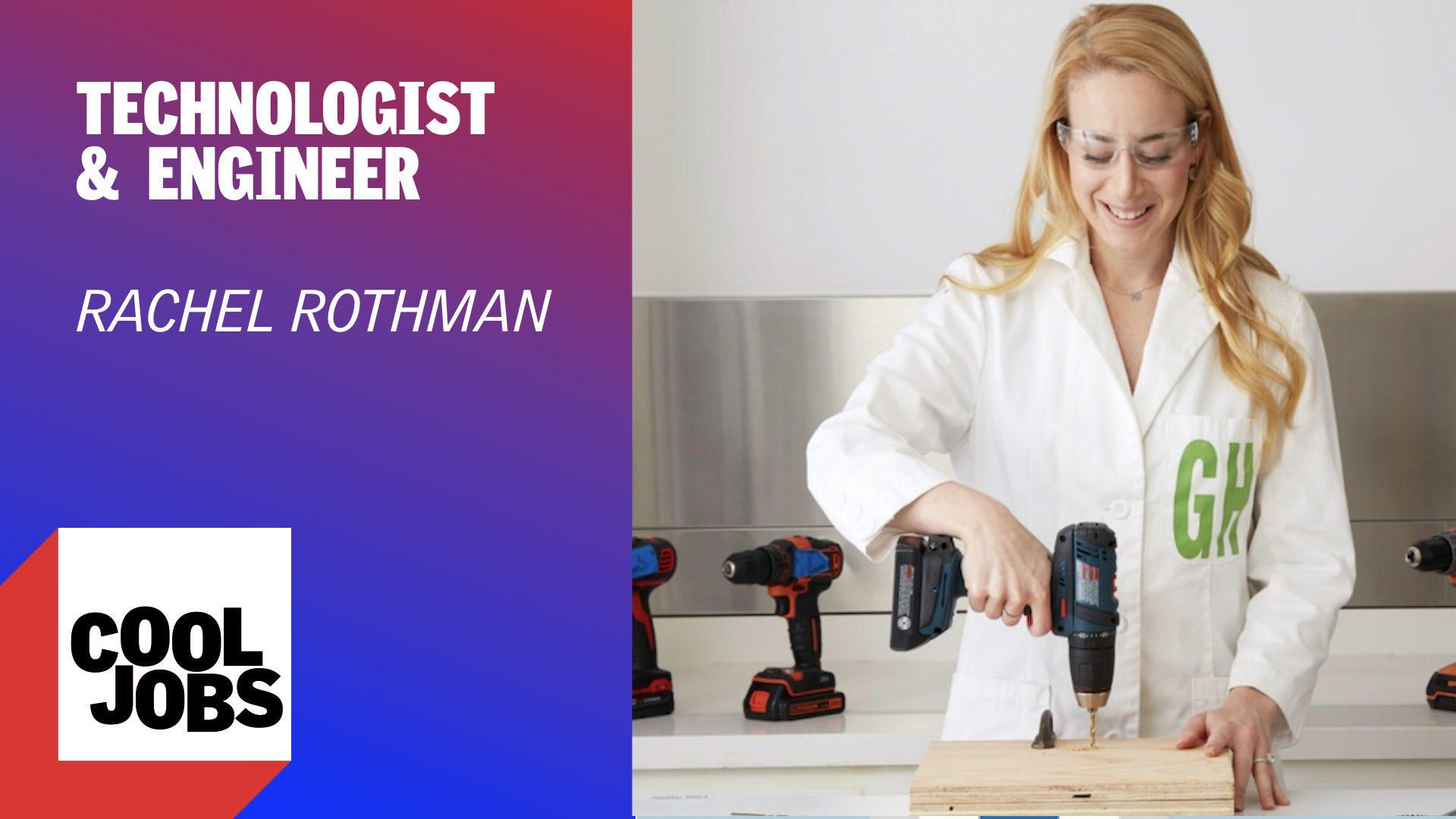
Safest Halloween costume, longest-running washing machine, toys that work! Engineer Rachel Rothman and her team of engineers, chemists and researchers make sure these marketing claims, are true as part of …
As long ago as the early 19th century, the poet Keats bemoaned the washing away of the world’s beauty and mystery in the wake of natural philosophy’s reductionist insights—its tendency …
We make tools. It defines us. But since the first proto-human tied a stick to a stone, tools have also been making us. Join our panel of philosophers, anthropologists, and …
For all their historical tensions, scientists and religious scholars from a wide variety of faiths ponder many similar questions—how did the universe begin? How might it end? What is the origin of matter, energy, and life?