Search Icon



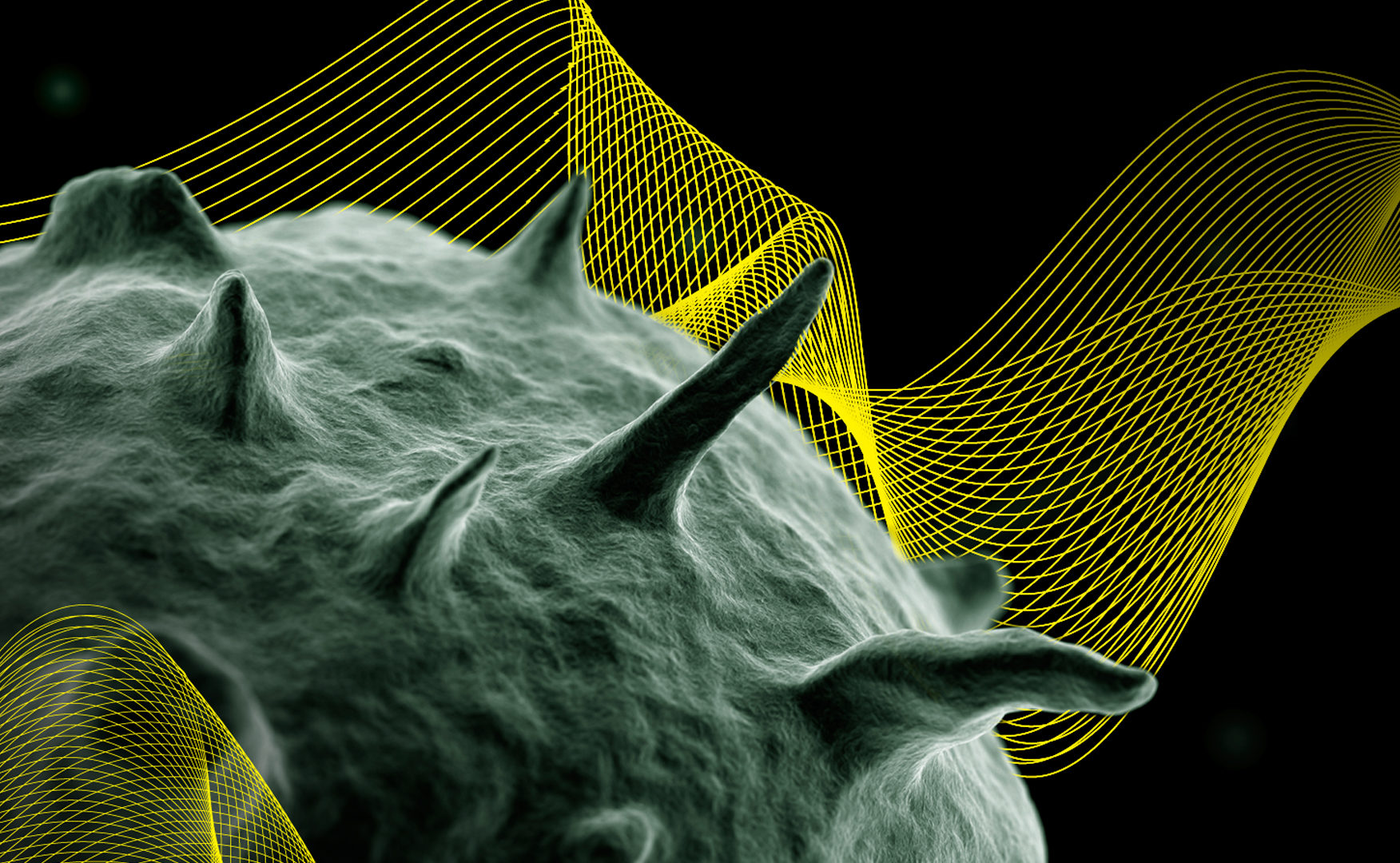
Imagine beating every strain of flu with a single jab. Wiping out your risk of some lethal cancers, HIV, and Ebola during a routine doctor’s visit. That’s the promise of next-generation vaccines, and researchers are closing in on the basic science needed to bring them to reality.

As physicists attempt to answer some of science’s biggest questions about the universe, they are testing the limits of experimental and observational science itself. In this program leading physicists, astronomers, …
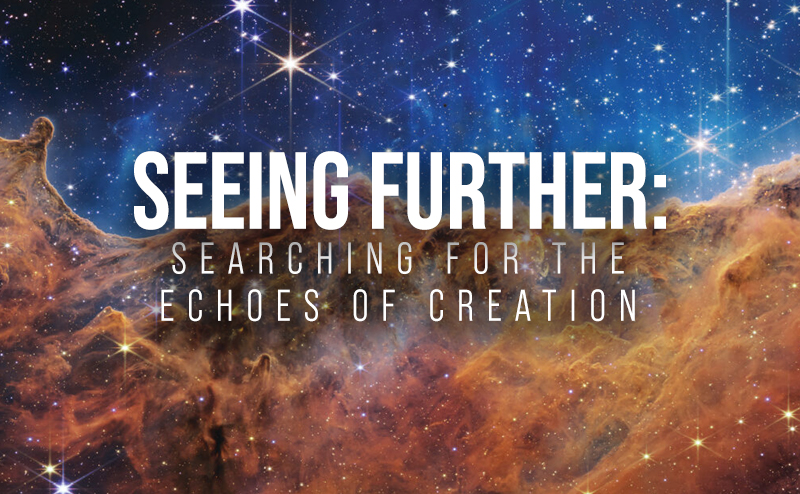
Nobel Laureate John Mather joins Brian Greene for an in-depth discussion of evidence establishing the big bang as well as recent observations of the James Webb Space Telescope raising questions …
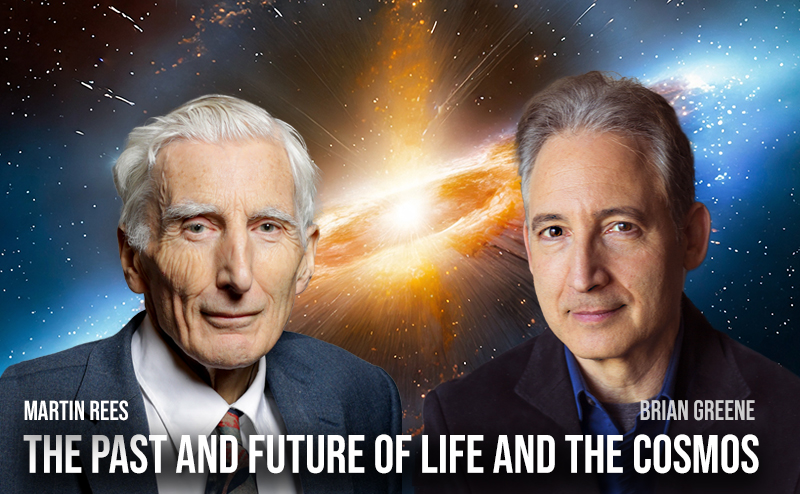
Join Brian Greene and Britain’s Astronomer Royal Martin Rees as they discuss challenges and opportunities swirling around cosmology–the big bang, dark matter, dark energy, and black holes–and the future of …
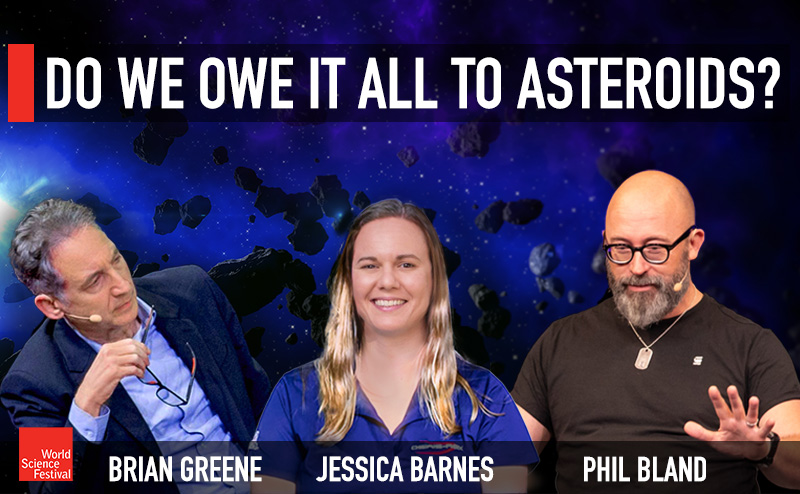
Did the molecules that make up life ride to earth on an asteroid? Planetary scientists Jessica Barnes and Phil Bland join Brian Greene to discuss NASA’s recent rendezvous with Bennu, …
Thirty-five years ago string theory took physics by storm, promising the coveted unified theory of nature’s forces that Einstein valiantly sought but never found. In the intervening decades, string theory …