Search Icon




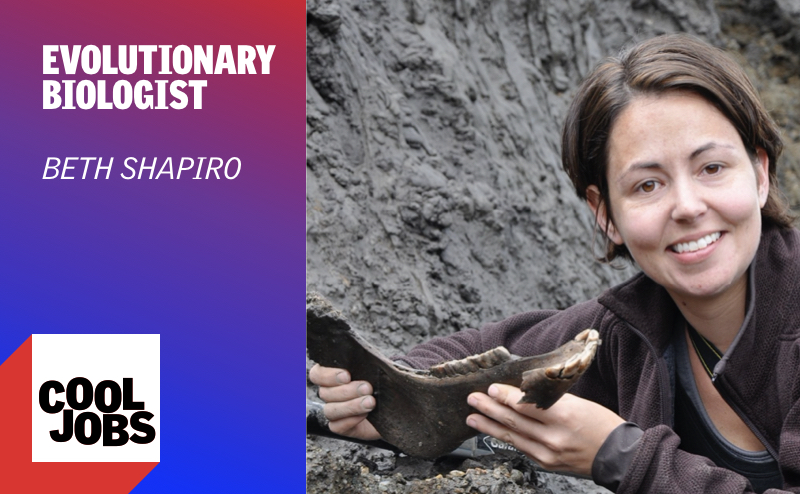
Evolutionary paleogeneticist Beth Shapiro travels to the cold reaches of the world to find DNA samples of long extinct animals, such as mastodons and saber-toothed tigers. She hopes to learn …

Music students download the technique of their favorite pianist or singer directly into their brains. Medical students download the skills of a seasoned surgeon or diagnostician. And each one of us routinely uploads our thoughts and memories to the digital cloud.

Join us for #YourDailyEquation with Brian Greene. Every Mon – Fri at 3pm EDT, Brian Greene will offer brief and breezy discussions of pivotal equations. Even if your math is a …
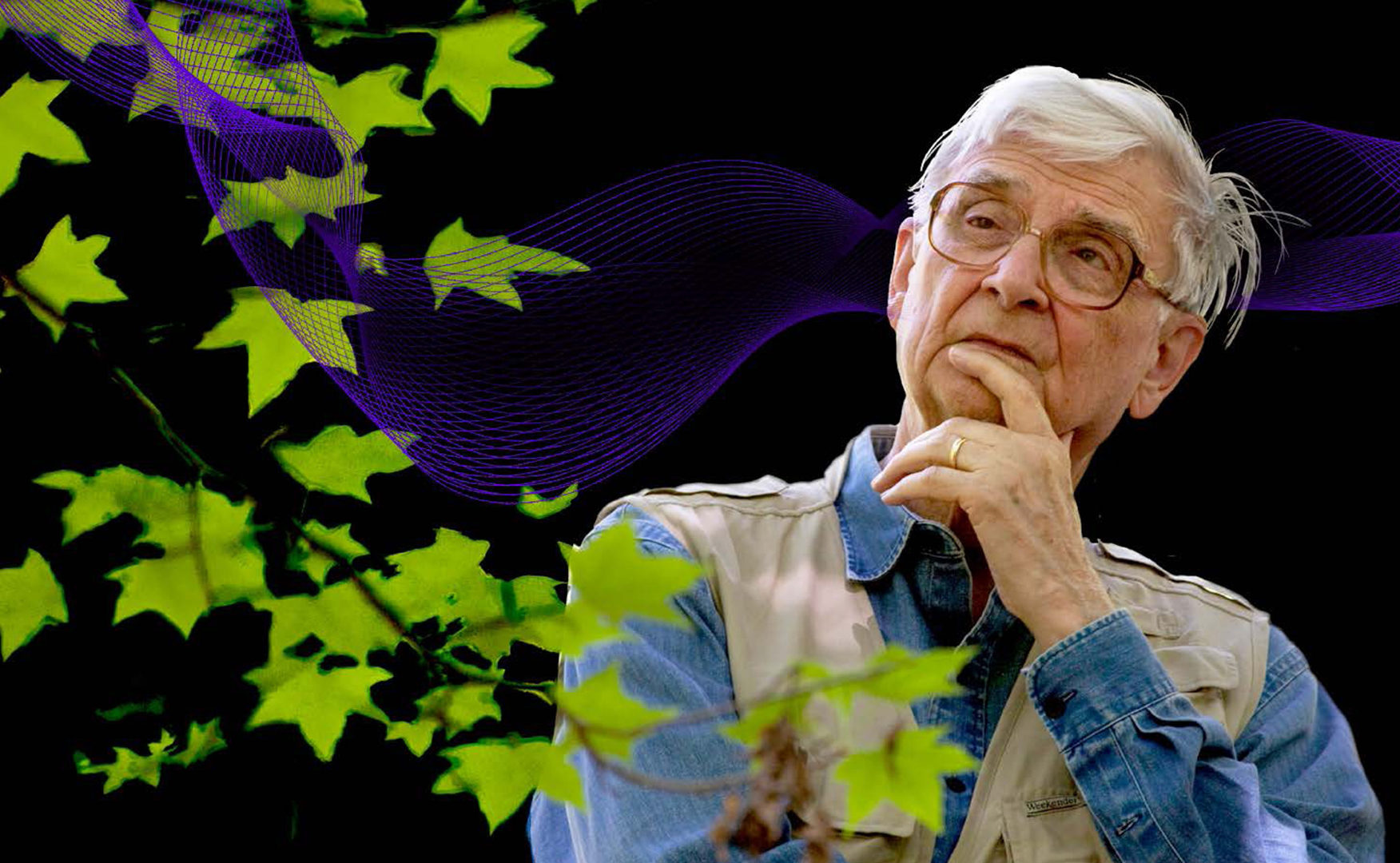
Every generation benefits from the insights and discoveries of the generations who came before. “If I have seen a little further it is by standing on the shoulders of giants,” …

Nanotechnology has found its way into a wide range of consumer products, from cell phones to odor-resistant socks. But is this tiny tech up to one of the biggest challenges …

Nobel Laureate Andrea Ghez joins Brian Greene to explore her decade’s long pursuit of the supermassive black hole at the center of the Milky Way Galaxy. This program is part …