Search Icon



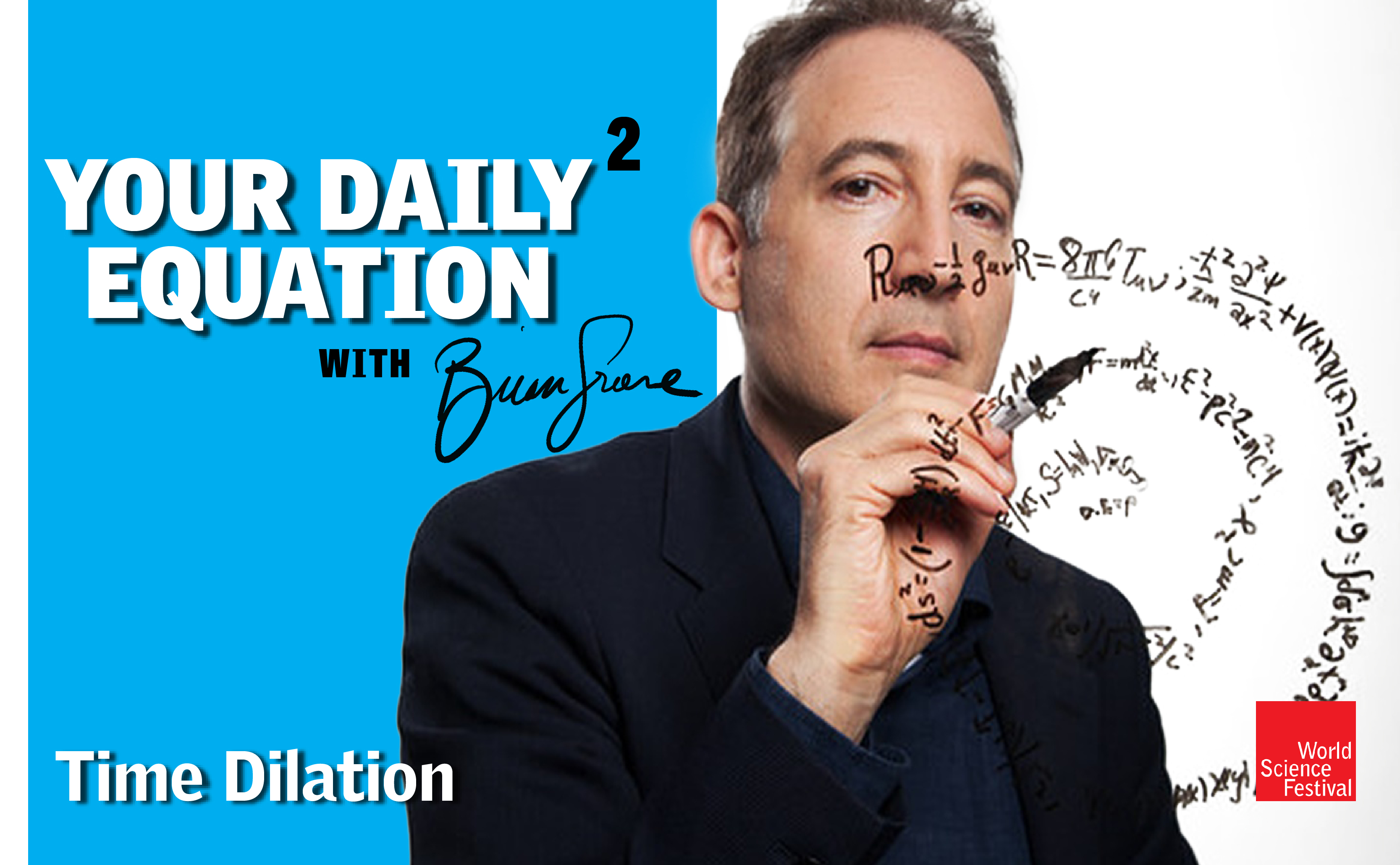
#YourDailyEquation with Brian Greene offers brief and breezy discussions of the most pivotal equations of the ages. Even if your math is a bit rusty, these accessible and exciting stories …
Public debate, pitting atheist against believer, typically yields a polarized picture. Might a more nuanced conversation that transcends simplistic assertions, and weaves insights from physics, biology, and psychology provide a more fruitful exchange of ideas?
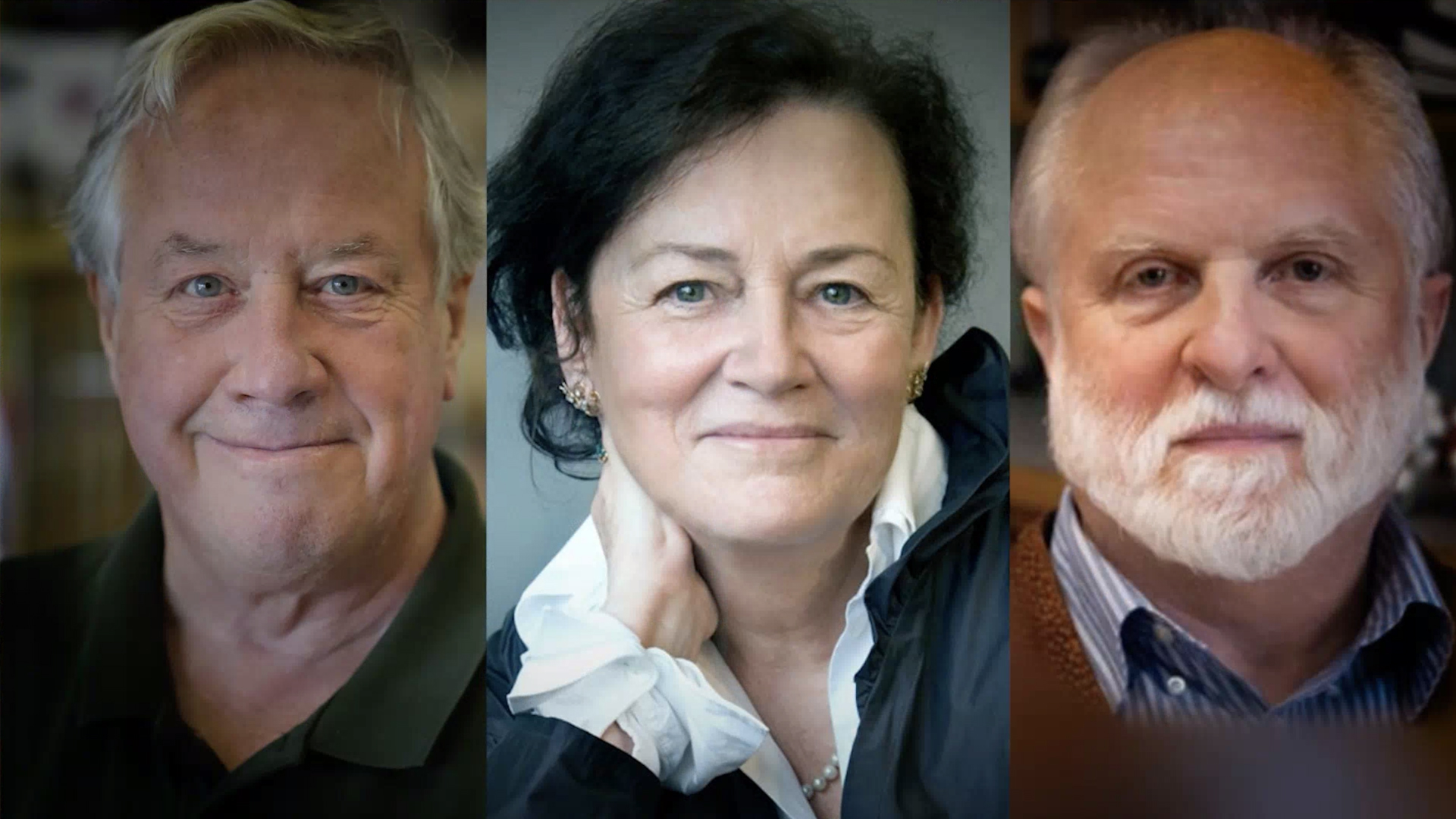
The Winners Of The 2018 Kavli Prize In Neuroscience are James Hudspeth, Robert Fettiplace and Christine Petit for their groundbreaking research unraveling the mysteries of how we hear. 2018 marks …
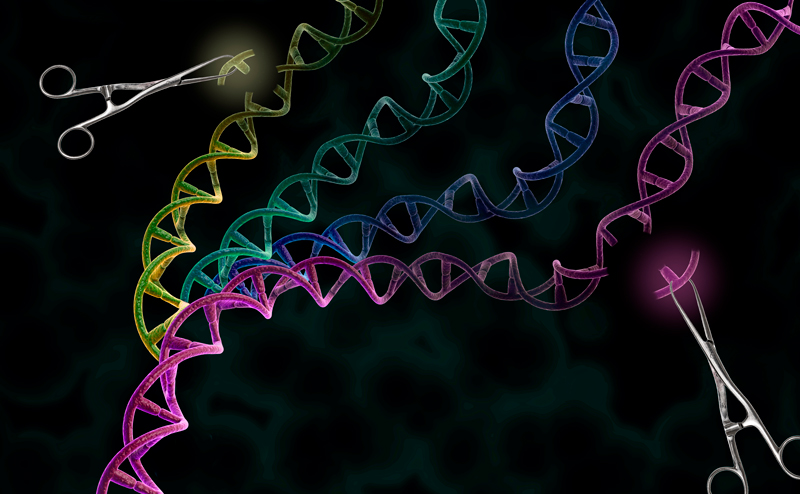
60 Minutes correspondent Lesley Stahl will take you on a journey deep inside your DNA, as we discuss the promise and peril of interfering with the code therein. For the …
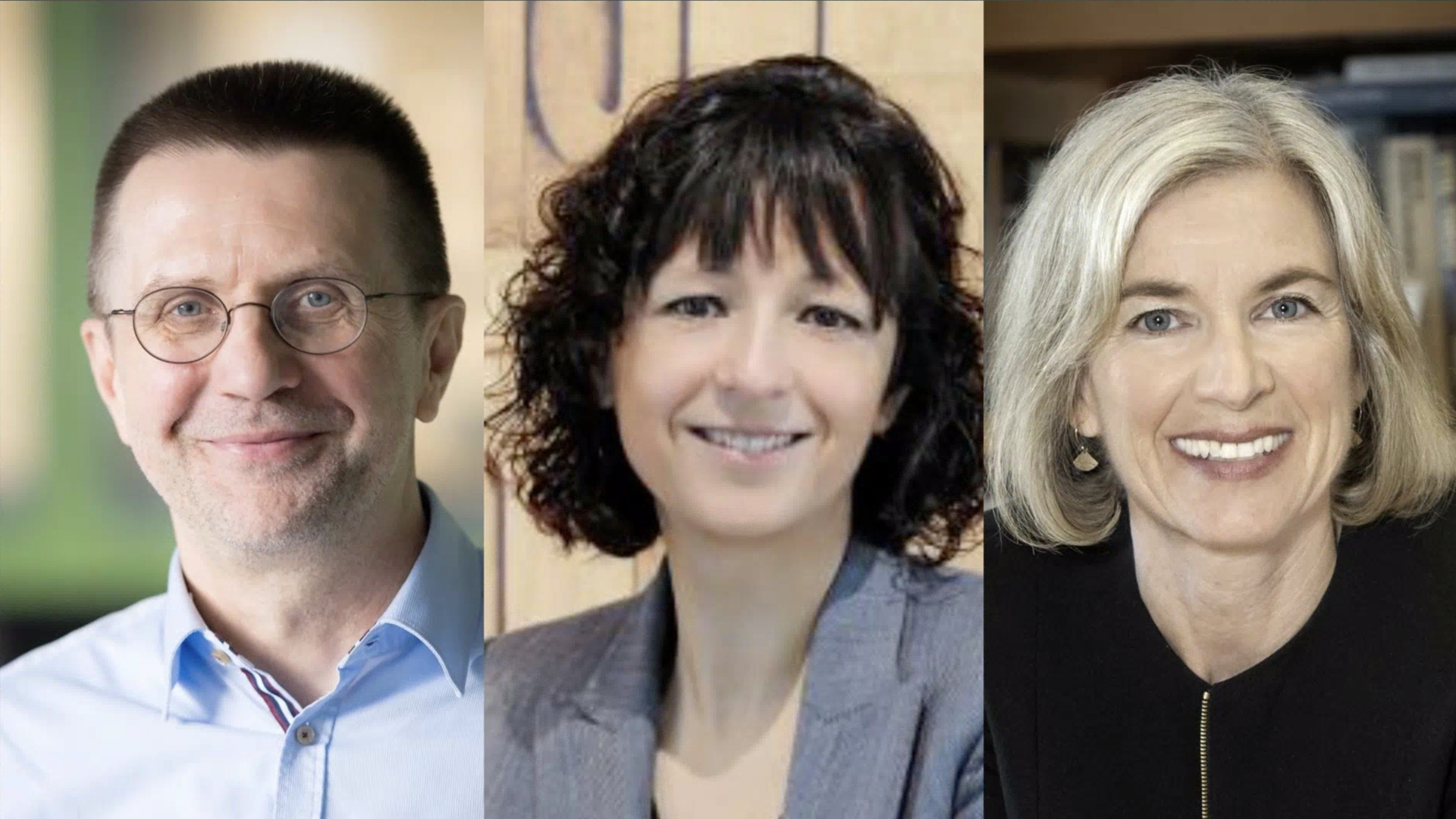
The winners of the 2018 Kavli Prize In Nanoscience Are Jennifer Doudna, Emmanuelle Charpentier and Virginijus Siksnys for pioneering work on Crispr-cas9. 2018 marks the tenth anniversary of the prestigious …
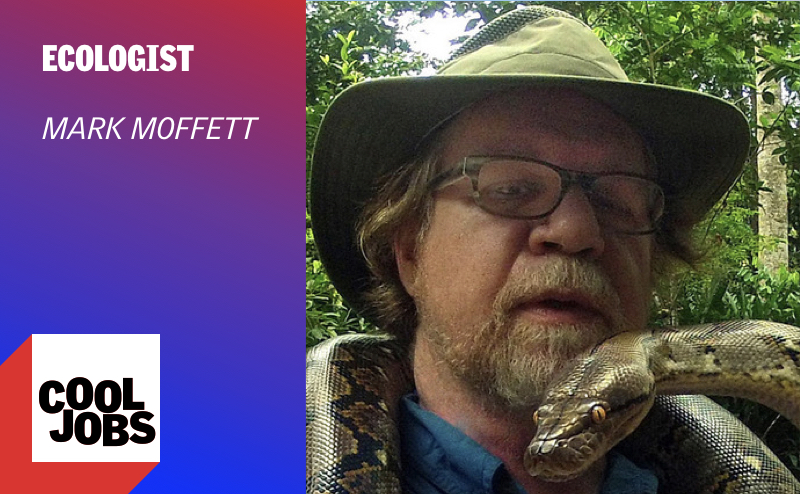
Ecologist and explorer Mark Moffett has trekked across the globe to document new animal species and behaviors. Just like the creatures he studies, Mark can be found crawling in the …